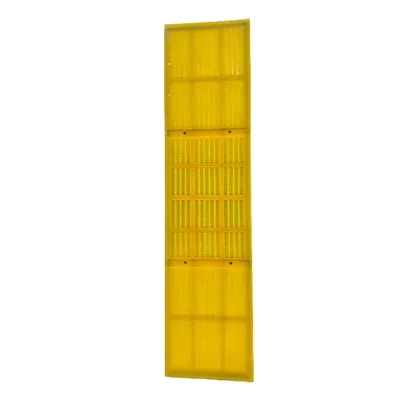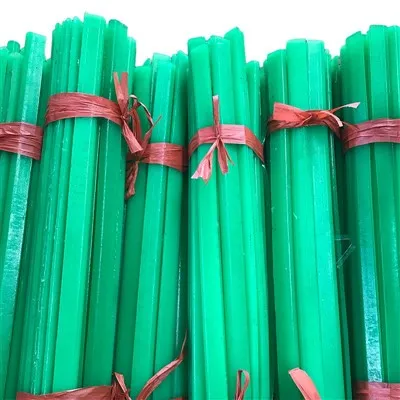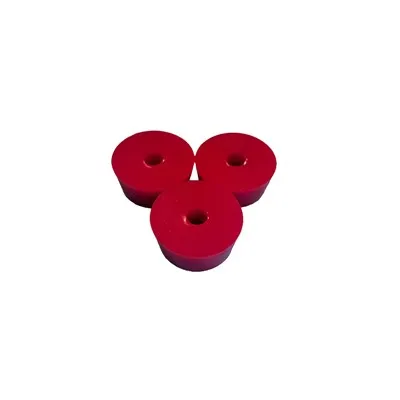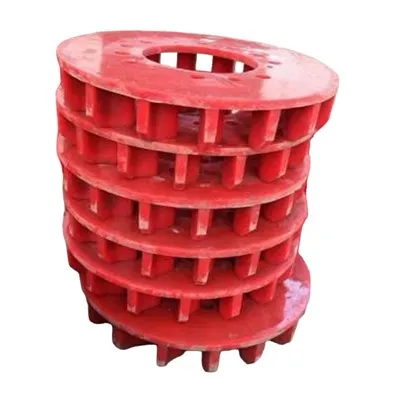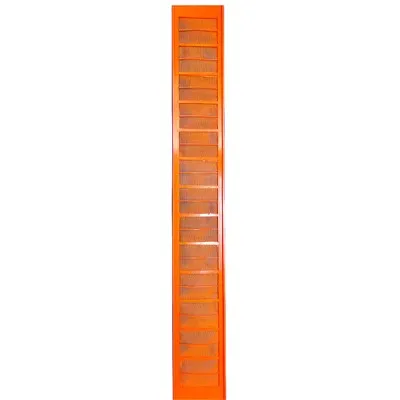
Compression strength is a critical mechanical property that significantly impacts the performance and durability of urethane screens. As a leading supplier of Urethane Screens, we understand the importance of this characteristic in various industrial applications. In this blog, we will delve into the concept of compression strength in urethane screens, exploring its definition, factors influencing it, and its practical implications.
Understanding Compression Strength
Compression strength refers to the maximum amount of compressive stress a material can withstand before it fails or undergoes permanent deformation. In the context of urethane screens, it is the measure of how much pressure the screen can endure without breaking or losing its structural integrity when subjected to compressive forces. These forces can arise from various sources, such as the weight of the materials being screened, the impact of particles during the screening process, and the pressure exerted by the screening equipment.
The compression strength of urethane screens is typically expressed in units of force per unit area, such as pounds per square inch (psi) or megapascals (MPa). A higher compression strength indicates that the screen can withstand greater pressures without failing, making it more suitable for applications where heavy loads or high-impact forces are involved.
Factors Affecting the Compression Strength of Urethane Screens
Several factors can influence the compression strength of urethane screens. Understanding these factors is crucial for selecting the right screen for a specific application and ensuring optimal performance and longevity.
Urethane Material Properties
The type and quality of the urethane material used in the screen play a significant role in determining its compression strength. Different urethane formulations have varying degrees of hardness, elasticity, and chemical resistance, which can affect their ability to withstand compressive forces. Generally, harder urethanes tend to have higher compression strengths but may be more brittle, while softer urethanes are more flexible but may have lower compression resistance.
Manufacturing Process
The manufacturing process used to produce the urethane screen can also impact its compression strength. Factors such as the molding technique, curing time, and temperature can affect the internal structure and properties of the urethane. For example, screens that are molded under high pressure and cured at the appropriate temperature are likely to have a more uniform and dense structure, resulting in higher compression strength.
Screen Design and Geometry
The design and geometry of the urethane screen, including the thickness, shape, and pattern of the screen openings, can influence its compression strength. Thicker screens generally have higher compression strengths, as they can distribute the compressive forces over a larger area. Similarly, screens with a more robust design, such as those with reinforced edges or support structures, can withstand greater pressures.
Environmental Conditions
The operating environment in which the urethane screen is used can also affect its compression strength. Factors such as temperature, humidity, and exposure to chemicals or abrasive materials can cause the urethane to degrade over time, reducing its compression resistance. For example, prolonged exposure to high temperatures can cause the urethane to soften and lose its strength, while contact with certain chemicals can cause it to become brittle and more prone to cracking.
Importance of Compression Strength in Industrial Applications
The compression strength of urethane screens is of utmost importance in various industrial applications, where they are used for screening, filtering, and separating materials. Here are some key reasons why compression strength matters:
Durability and Longevity
Urethane screens with high compression strengths are more durable and can withstand the rigors of continuous use in demanding industrial environments. They are less likely to break or deform under heavy loads or high-impact forces, reducing the need for frequent replacements and minimizing downtime. This can result in significant cost savings for businesses in terms of maintenance and replacement expenses.
Efficient Screening Performance
A high compression strength ensures that the urethane screen maintains its shape and integrity during the screening process, allowing for consistent and efficient screening performance. The screen can effectively separate the desired materials from the unwanted ones, preventing clogging and ensuring a smooth flow of the screened materials. This improves the overall productivity and quality of the screening operation.
Safety
In industrial settings, the use of urethane screens with adequate compression strength is essential for ensuring the safety of workers and equipment. A screen that fails under compressive forces can cause the materials being screened to spill or escape, posing a risk of injury or damage to the surrounding environment. By using screens with high compression strengths, businesses can minimize the risk of such accidents and ensure a safe working environment.
Applications of Urethane Screens Based on Compression Strength
Urethane screens with different compression strengths are suitable for a wide range of industrial applications. Here are some examples:
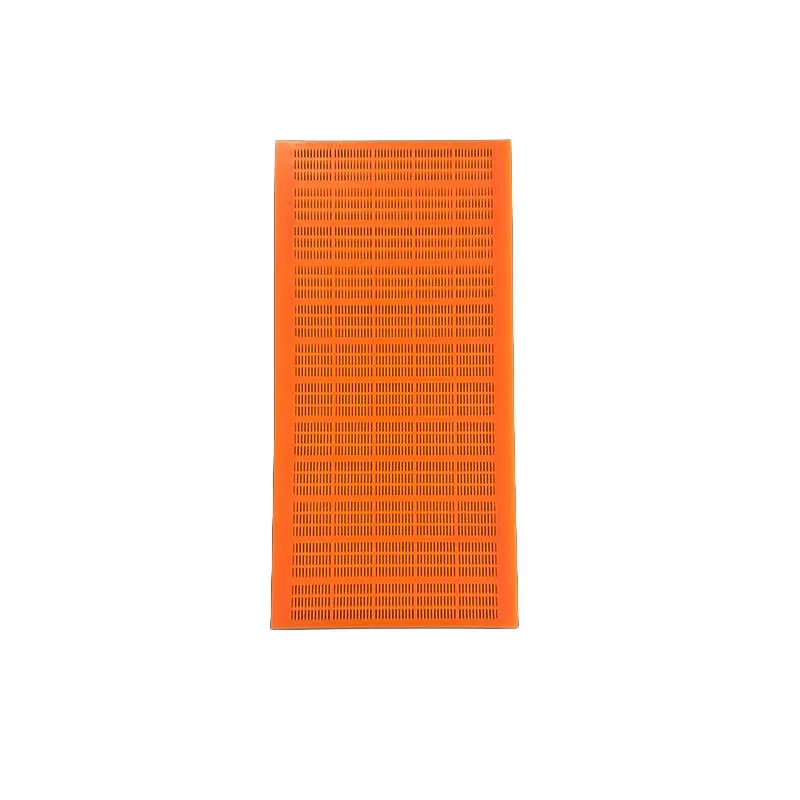
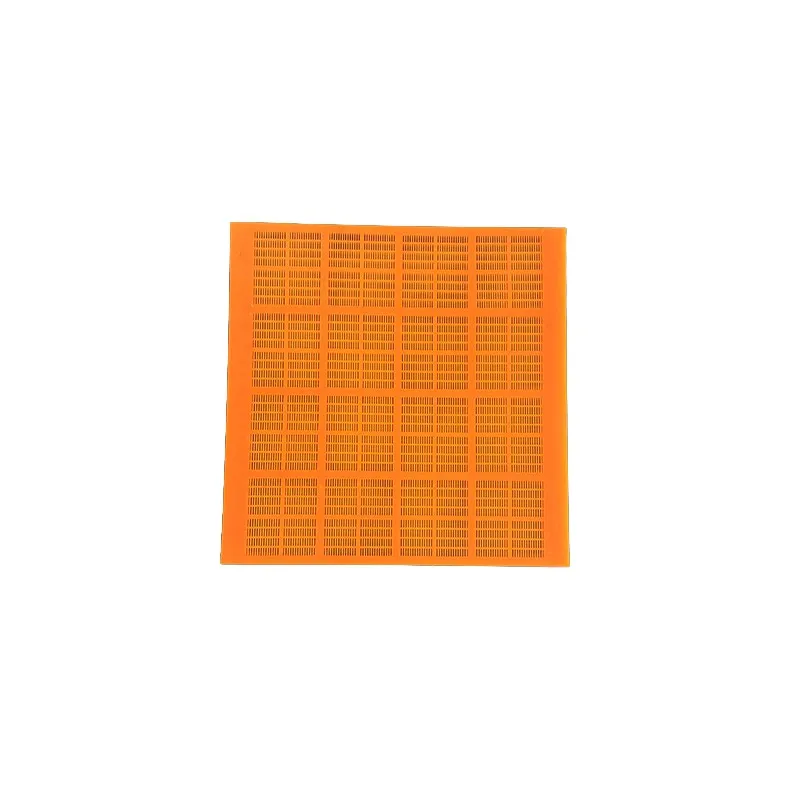
Mining and Quarrying
In the mining and quarrying industry, urethane screens are used for screening and separating various types of ores, minerals, and aggregates. Screens with high compression strengths are required to withstand the heavy loads and high-impact forces generated by the large volumes of materials being processed. These screens are typically used in primary and secondary screening applications, where they are subjected to the most severe conditions.
Recycling
Urethane screens are also widely used in the recycling industry for sorting and separating different types of waste materials. In this application, screens with moderate compression strengths are sufficient, as the loads and forces involved are generally lower compared to mining and quarrying. However, the screens need to be resistant to abrasion and chemical corrosion, as they come into contact with a variety of waste materials.
Food and Beverage Processing
In the food and beverage processing industry, urethane screens are used for filtering and separating liquids and solids. Screens with low compression strengths are typically used in this application, as the loads and forces involved are relatively small. However, the screens need to be made from food-grade urethane materials that are safe for contact with food products.
Selecting the Right Urethane Screen Based on Compression Strength
When selecting a urethane screen for a specific application, it is important to consider the compression strength requirements. Here are some tips to help you choose the right screen:
Determine the Compression Strength Requirements
The first step is to determine the compression strength requirements of your application. This can be done by analyzing the loads and forces that the screen will be subjected to during operation. Consider factors such as the weight of the materials being screened, the flow rate of the materials, and the impact forces generated by the screening equipment.
Choose the Right Urethane Material
Based on the compression strength requirements, choose a urethane material that is suitable for your application. Consider factors such as the hardness, elasticity, and chemical resistance of the urethane. Harder urethanes are generally more suitable for applications where high compression strengths are required, while softer urethanes are more flexible and may be better suited for applications where impact resistance is more important.
Consider the Screen Design and Geometry
The design and geometry of the urethane screen can also affect its compression strength. Choose a screen with a design that is appropriate for your application, taking into account factors such as the thickness, shape, and pattern of the screen openings. Thicker screens and screens with more robust designs generally have higher compression strengths.
Evaluate the Manufacturer's Reputation
Finally, evaluate the reputation of the manufacturer when selecting a urethane screen. Choose a manufacturer that has a proven track record of producing high-quality screens with consistent compression strengths. Look for manufacturers that offer technical support and can provide you with detailed information about the performance and specifications of their screens.
Conclusion
Compression strength is a critical property of urethane screens that significantly impacts their performance and durability in various industrial applications. As a supplier of Urethane Screens, we understand the importance of providing our customers with screens that have the right compression strength for their specific needs. By considering the factors that affect compression strength and selecting the right screen based on your application requirements, you can ensure optimal performance and longevity of your screening equipment.
If you are interested in learning more about our Urethane Screens, Pu Screen, Flexible Polyurethane Screen, Polyurethane Fine Screen, or Poly Screen Panels, or if you have any questions about compression strength or other technical aspects of our products, please do not hesitate to contact us. We are here to help you find the best screening solutions for your business.
References
- ASTM D695 - Standard Test Method for Compressive Properties of Rigid Plastics.
- ISO 604 - Plastics - Determination of Compressive Properties.
- "Urethane Elastomers: Chemistry and Applications" by K. C. Frisch and S. L. Reegan.