In the world of fitness and wellness, yoga has emerged as a popular practice that offers numerous physical and mental health benefits. As yoga studios strive to provide the best experience for their practitioners, the question arises: Can a vertical support bar be used in a yoga studio? In this blog post, I'll share my insights as a supplier of Vertical Support Bar, exploring the potential uses, benefits, and considerations of incorporating vertical support bars into a yoga studio setting.
The Concept of Vertical Support in Yoga
Yoga is a diverse practice that encompasses a wide range of poses and sequences, each designed to stretch, strengthen, and balance the body. While many yoga poses can be performed on the floor using only the body's natural alignment, there are certain poses that may benefit from the use of external support. This is where vertical support bars come in.
A vertical support bar is a sturdy, upright structure that can be used to assist with balance, stability, and alignment during yoga poses. It can be particularly helpful for beginners, individuals with limited mobility, or those recovering from injuries. By providing a stable point of reference, a vertical support bar can help practitioners feel more confident and secure in their poses, allowing them to focus on the mind-body connection and the benefits of the practice.
Potential Uses of Vertical Support Bars in a Yoga Studio
There are several ways in which vertical support bars can be used in a yoga studio to enhance the practice experience. Here are some examples:
- Balance and Stability: Many yoga poses require a high level of balance and stability, which can be challenging for some practitioners. A vertical support bar can provide a stable point of contact, allowing individuals to maintain their balance and perform poses with greater ease. For example, in standing poses such as Tree Pose (Vrksasana) or Warrior III (Virabhadrasana III), a vertical support bar can be used to hold onto for stability, especially for beginners or those with balance issues.
- Alignment and Posture: Proper alignment is essential in yoga to prevent injuries and maximize the benefits of the practice. A vertical support bar can help practitioners align their bodies correctly by providing a visual reference and a stable point of support. For instance, in poses such as Forward Fold (Uttanasana) or Standing Split (Urdhva Prasarita Eka Padasana), a vertical support bar can be used to keep the spine straight and the hips square, ensuring proper alignment and preventing strain on the back and hips.
- Assisted Poses: Vertical support bars can also be used to assist with more advanced yoga poses. For example, in poses such as Handstand (Adho Mukha Vrksasana) or Headstand (Sirsasana), a vertical support bar can be used to help lift the body off the ground and maintain balance. This can be particularly helpful for beginners or those who are not yet ready to attempt these poses without assistance.
- Restorative Yoga: Restorative yoga is a gentle form of yoga that focuses on relaxation and rejuvenation. Vertical support bars can be used in restorative yoga to provide additional support and comfort during poses. For example, in poses such as Legs Up the Wall (Viparita Karani) or Supported Bridge Pose (Setu Bandhasana), a vertical support bar can be used to hold the legs or the back in place, allowing the body to fully relax and release tension.
Benefits of Using Vertical Support Bars in a Yoga Studio
Incorporating vertical support bars into a yoga studio can offer several benefits for both practitioners and studio owners. Here are some of the key advantages:
- Enhanced Safety: One of the primary benefits of using vertical support bars in a yoga studio is the enhanced safety they provide. By offering a stable point of support, vertical support bars can help prevent falls and injuries, especially for beginners or those with limited mobility. This can give practitioners the confidence to explore more challenging poses and push their limits without fear of getting hurt.
- Improved Accessibility: Vertical support bars can make yoga more accessible to a wider range of individuals. They can be particularly helpful for people with disabilities, injuries, or health conditions that make it difficult to perform certain poses without assistance. By providing a supportive environment, vertical support bars can allow these individuals to participate in yoga and experience its many benefits.
- Customized Practice: Vertical support bars can be adjusted to different heights and angles, allowing practitioners to customize their practice based on their individual needs and abilities. This can make the yoga experience more personalized and effective, as practitioners can use the support bars to modify poses and make them more suitable for their bodies.
- Increased Engagement: Using vertical support bars can add an element of fun and challenge to the yoga practice, making it more engaging and enjoyable for practitioners. By providing a new way to interact with the poses, vertical support bars can help keep practitioners motivated and interested in their yoga practice.
- Versatility: Vertical support bars are a versatile piece of equipment that can be used in a variety of yoga styles and sequences. They can be used in both traditional yoga classes and more modern, dynamic styles such as Vinyasa or Power Yoga. This makes them a valuable addition to any yoga studio, as they can be used to enhance the practice experience for a wide range of practitioners.
Considerations for Using Vertical Support Bars in a Yoga Studio
While vertical support bars can offer many benefits, there are also some considerations to keep in mind when using them in a yoga studio. Here are some important factors to consider:
- Space Requirements: Vertical support bars require a certain amount of space to be installed and used effectively. Before incorporating vertical support bars into a yoga studio, it's important to ensure that there is enough space available to accommodate them. This may involve rearranging the studio layout or removing other equipment to make room for the support bars.
- Installation and Maintenance: Vertical support bars need to be installed properly to ensure their safety and stability. It's important to hire a professional installer who has experience working with vertical support bars and can ensure that they are installed correctly. Additionally, regular maintenance and inspections are necessary to ensure that the support bars remain in good condition and are safe to use.
- Cost: Vertical support bars can be a significant investment for a yoga studio. It's important to consider the cost of purchasing and installing the support bars, as well as the ongoing maintenance and replacement costs. Before making a decision, it's a good idea to compare the costs of different types of vertical support bars and to consider the long-term benefits they can provide.
- Training and Education: In order to use vertical support bars effectively and safely, practitioners need to receive proper training and education. It's important to provide clear instructions and demonstrations on how to use the support bars correctly, as well as to offer guidance on how to modify poses based on individual needs and abilities. This can help ensure that practitioners get the most out of the support bars and avoid any potential injuries.
- Compatibility with Yoga Styles: Not all yoga styles are suitable for using vertical support bars. It's important to consider the specific needs and requirements of the yoga styles offered in the studio and to determine whether vertical support bars would be a good fit. For example, some traditional yoga styles may place a greater emphasis on using the body's natural alignment and may not require the use of external support.
Other Wear-Resistant Parts for a Yoga Studio
In addition to vertical support bars, there are other wear-resistant parts that can be useful in a yoga studio. Here are some examples:
- Pipe Elbow Lining: Pipe elbow linings can be used to protect pipes and plumbing systems in the yoga studio from wear and tear. They can help prevent leaks and damage, ensuring the smooth operation of the studio's plumbing.
- Bolt Protection Cap: Bolt protection caps can be used to protect bolts and fasteners from corrosion and damage. They can help extend the lifespan of the equipment and ensure its safety and stability.
- Flotation Wear Parts: Flotation wear parts can be used in water-based yoga classes or in studios with a pool. They can help protect the equipment from wear and tear caused by water and chemicals, ensuring its durability and performance.
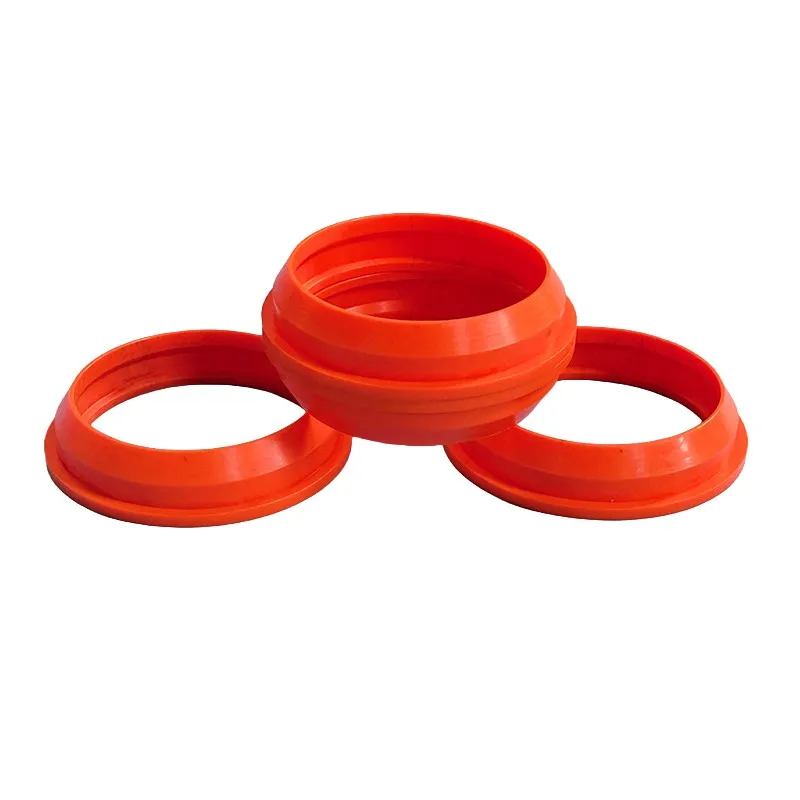
- Hose Seal Ring: Hose seal rings can be used to prevent leaks and ensure a tight seal between hoses and other equipment. They can help maintain the integrity of the studio's plumbing system and prevent water damage.
Conclusion
In conclusion, vertical support bars can be a valuable addition to a yoga studio, offering enhanced safety, improved accessibility, and a more customized practice experience. However, it's important to consider the space requirements, installation and maintenance, cost, training and education, and compatibility with yoga styles before incorporating vertical support bars into a studio. By carefully weighing the pros and cons and making an informed decision, yoga studio owners can provide their practitioners with a safe and supportive environment that allows them to fully enjoy the benefits of yoga.
If you're interested in learning more about vertical support bars or other wear-resistant parts for your yoga studio, I encourage you to contact me for a consultation. I'd be happy to discuss your specific needs and requirements and to provide you with more information about our products and services. Let's work together to create a yoga studio that meets the needs of your practitioners and helps them achieve their wellness goals.
References
- "Yoga for Beginners: A Guide to Getting Started." Yoga Journal.
- "The Benefits of Using Props in Yoga." Yoga International.
- "Safety Considerations in Yoga." American Council on Exercise.