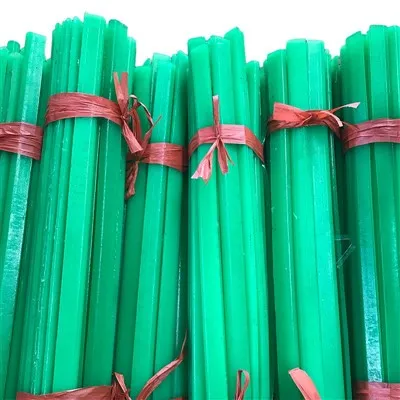
Hey there! As a supplier of Vertical Support Bars, I often get asked, "How do I choose the right size of a vertical support bar?" It's a great question, and I'm here to break it down for you.
Understanding Your Needs
First things first, you gotta figure out what you're using the vertical support bar for. Is it for a small DIY project at home, like building a bookshelf? Or is it for a large - scale industrial application, such as supporting heavy machinery in a factory? The intended use will have a huge impact on the size you need.
For home projects, you might be able to get away with a smaller and lighter - duty support bar. But in industrial settings, you'll likely need a much larger and stronger one. For example, if you're building a simple wooden frame for a garden trellis, a Vertical Support Bar with a diameter of 1 - 2 inches and a length of 3 - 5 feet could do the trick. On the other hand, if you're supporting a multi - story building structure, you're looking at bars with diameters of 6 inches or more and lengths that can go up to several stories high.
Load - Bearing Capacity
The load - bearing capacity is another crucial factor. You need to know how much weight the support bar will have to hold. This includes not only the static weight of the structure it's supporting but also any dynamic loads, like vibrations or sudden impacts.
To calculate the load - bearing capacity, you can start by determining the total weight of the materials and equipment that will rest on the support bar. Then, add a safety factor. A common safety factor is around 1.5 to 2 times the expected load. This gives you a buffer in case of unexpected situations.
Let's say you're setting up a storage rack to hold heavy boxes. If the total weight of the boxes is 500 pounds, with a safety factor of 2, you'll need a support bar that can handle at least 1000 pounds. You can usually find the load - bearing capacity information on the product specifications of the Vertical Support Bar.
Height and Space Constraints
The height and the available space where you'll install the support bar are also important. You can't just pick a bar that's too long for the space or too short to reach the required height.
Measure the distance between the two points where the support bar will be installed. Make sure to account for any fixtures or mounting hardware that will add to the overall length. If you have limited vertical space, you might need to look for a shorter support bar or one that can be adjusted.
For instance, in a basement with a low ceiling, a telescopic Vertical Support Bar could be a great option. It allows you to adjust the length to fit the available space precisely.
Material and Durability
The material of the support bar matters a lot. Different materials have different strengths, weights, and corrosion resistances.
Steel is a popular choice for industrial applications because it's strong and can handle heavy loads. However, it can rust if not properly protected. Aluminum, on the other hand, is lightweight and corrosion - resistant, making it a good option for outdoor or marine applications.
Think about the environment where the support bar will be used. If it's in a humid or corrosive environment, you'll want a material that can withstand those conditions. For example, if you're using the bar near the ocean, a stainless - steel Vertical Support Bar would be a better choice than a regular steel one.
Compatibility with Other Components
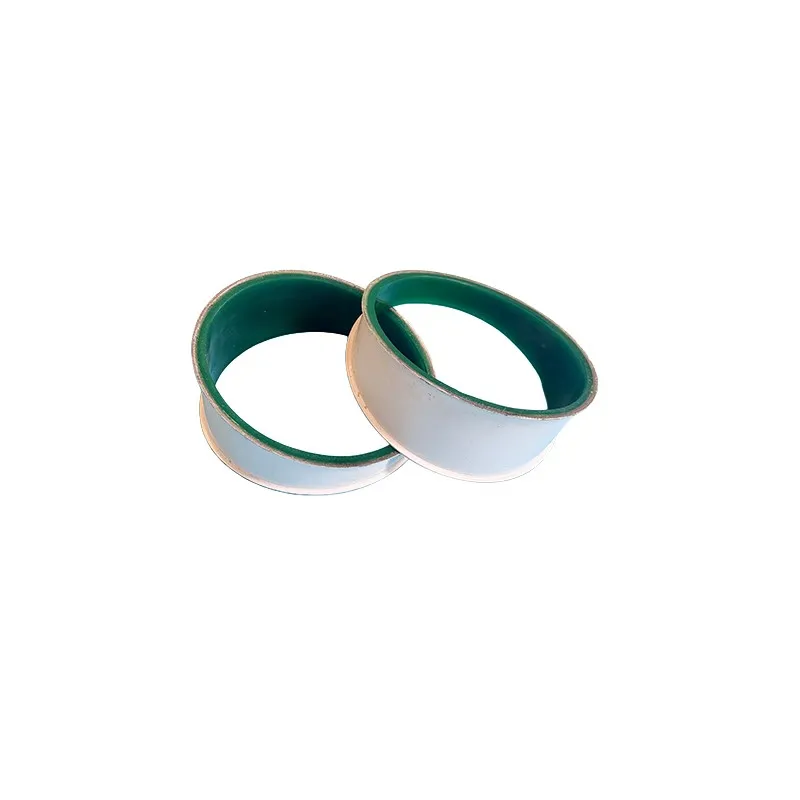
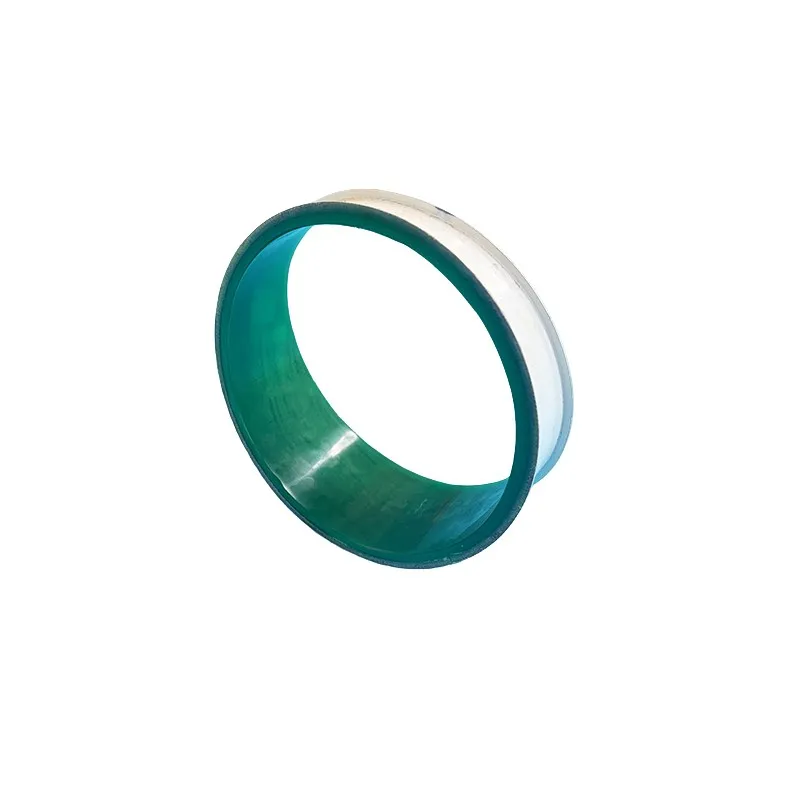
You also need to consider how the support bar will fit in with other components of your project. If you're using it in a system with other parts, like Pipe Elbow Lining, Flotation Wear Parts, Bolt Protection Cap, or Screen Deck Clamp Strip, make sure the size and design of the support bar are compatible.
For example, if you're using the support bar to hold a pipe in place, the diameter of the bar should be appropriate for the pipe size. You don't want a bar that's too thin to support the pipe or too thick to fit in the available space.
Cost Considerations
Let's face it, cost is always a factor. You want to get the right size of support bar without breaking the bank.
Generally, larger and stronger support bars will cost more. But you also don't want to skimp on quality and end up with a bar that can't handle the load. Look for a balance between cost and performance.
You can compare prices from different suppliers and see if there are any discounts or promotions available. Sometimes, buying in bulk can also save you money.
Tips for Choosing the Right Size
- Do Your Research: Look at similar projects and see what size support bars they used. You can find a lot of information online or in industry forums.
- Consult an Expert: If you're not sure, it's always a good idea to talk to an engineer or someone with experience in structural support. They can give you professional advice based on your specific situation.
- Test and Adjust: If possible, test the support bar in a small - scale setup before fully installing it. This can help you identify any issues and make adjustments if needed.
Conclusion
Choosing the right size of a vertical support bar is a multi - step process. You need to consider your needs, load - bearing capacity, height and space constraints, material, compatibility with other components, and cost. By taking the time to evaluate these factors, you can ensure that you get the perfect support bar for your project.
If you're in the market for a Vertical Support Bar and need more help with choosing the right size, don't hesitate to reach out. We're here to assist you in making the best decision for your specific requirements. Whether it's for a small home project or a large industrial application, we have the expertise and the products to meet your needs. Let's start a conversation about your project and find the ideal support bar together!
References
- Structural Engineering Handbook
- Material Science and Engineering Textbooks
- Industry - specific guidelines and standards