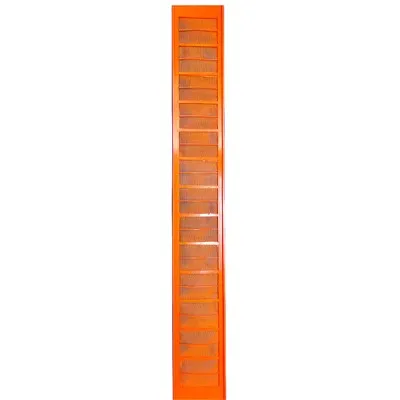
Wear resistance is a crucial factor in the performance and longevity of meshes used in various industrial applications. Among the different types of meshes available in the market, polyurethane woven mesh has emerged as a popular choice for many users. As a supplier of Polyurethane Woven Mesh, I am often asked how its wear resistance compares to other meshes. In this blog, I will delve into this topic, providing a detailed comparison to help you make an informed decision for your specific needs.
Understanding Wear Resistance in Meshes
Wear resistance refers to a material's ability to withstand the effects of friction, abrasion, and impact over time. In the context of meshes, a high wear resistance means that the mesh can maintain its integrity and functionality even when exposed to harsh environments and continuous use. This is particularly important in industries such as mining, quarrying, recycling, and food processing, where meshes are subjected to heavy loads, sharp particles, and chemical substances.
Polyurethane Woven Mesh: A Closer Look
Polyurethane woven mesh is a type of mesh made from polyurethane, a versatile polymer known for its excellent mechanical properties. It is produced by weaving polyurethane strands together to form a flexible and durable mesh structure. The unique combination of polyurethane's properties, such as high elasticity, toughness, and chemical resistance, gives the woven mesh outstanding wear resistance.
- High Elasticity: Polyurethane has a high degree of elasticity, allowing the mesh to stretch and deform under stress without breaking. This elasticity helps to absorb the energy from impact and reduce the wear caused by abrasive particles.
- Toughness: The toughness of polyurethane makes the woven mesh resistant to tearing and cutting. It can withstand the forces exerted by sharp materials and heavy loads, ensuring a long service life.
- Chemical Resistance: Polyurethane is resistant to a wide range of chemicals, including acids, alkalis, and organic solvents. This makes the woven mesh suitable for use in corrosive environments, where other meshes may deteriorate quickly.
Comparing Wear Resistance: Polyurethane Woven Mesh vs. Other Meshes
Now, let's compare the wear resistance of polyurethane woven mesh with other commonly used meshes, such as stainless steel mesh, nylon mesh, and polyester mesh.
Stainless Steel Mesh
Stainless steel mesh is widely used in various industries due to its strength, durability, and corrosion resistance. However, when it comes to wear resistance, it has some limitations compared to polyurethane woven mesh.
- Abrasion Resistance: Stainless steel is a relatively hard material, but it is not as resistant to abrasion as polyurethane. The sharp edges of abrasive particles can cause scratches and wear on the surface of stainless steel mesh, leading to a reduction in its lifespan.
- Impact Resistance: While stainless steel has good strength, it is less elastic than polyurethane. This means that it is more likely to crack or break when subjected to high-impact forces. In contrast, the elasticity of polyurethane woven mesh allows it to absorb the impact energy and prevent damage.
Nylon Mesh
Nylon mesh is known for its high strength, flexibility, and chemical resistance. It is commonly used in applications where a lightweight and flexible mesh is required. However, its wear resistance is inferior to that of polyurethane woven mesh.
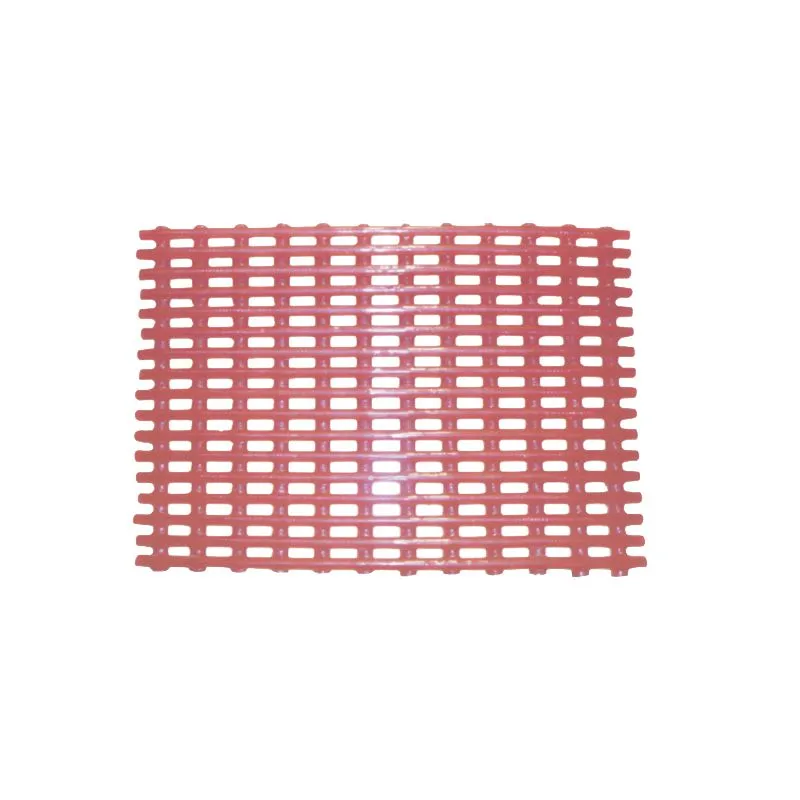
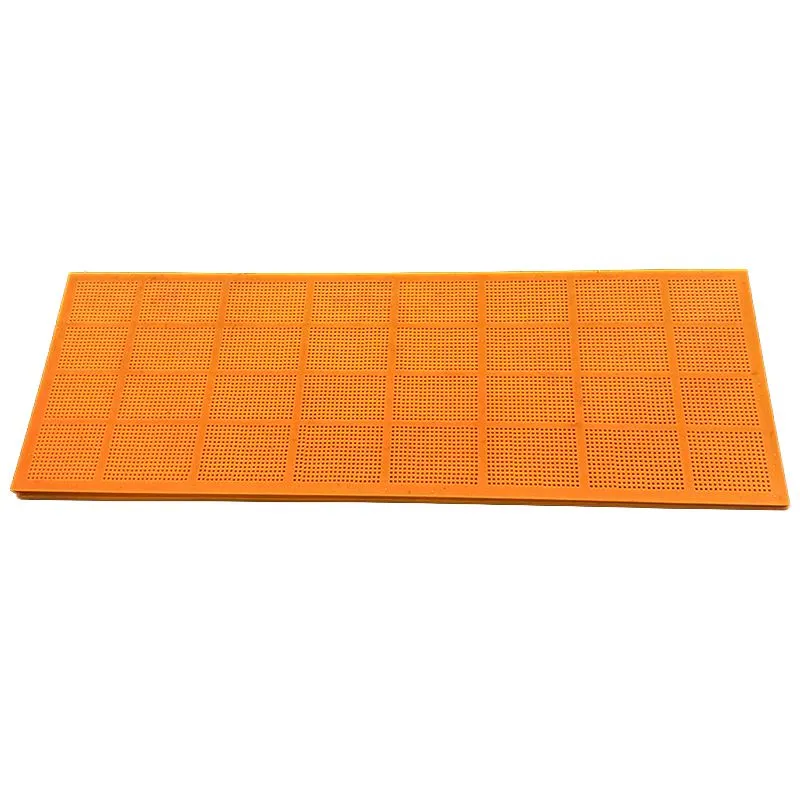
- Abrasion Resistance: Nylon is a softer material than polyurethane, making it more susceptible to abrasion. The friction caused by abrasive particles can quickly wear down the nylon fibers, leading to the formation of holes and tears in the mesh.
- Heat Resistance: Nylon has a relatively low melting point, which means that it can be damaged by high temperatures. In applications where the mesh is exposed to heat, such as in some industrial processes, polyurethane woven mesh is a better choice due to its higher heat resistance.
Polyester Mesh
Polyester mesh is another popular choice for various applications due to its low cost, good chemical resistance, and dimensional stability. However, it also has some drawbacks in terms of wear resistance compared to polyurethane woven mesh.
- Abrasion Resistance: Similar to nylon, polyester is a relatively soft material and is not as resistant to abrasion as polyurethane. The abrasive action of particles can cause the polyester fibers to fray and break, reducing the mesh's effectiveness.
- Tear Resistance: Polyester mesh is less tear-resistant than polyurethane woven mesh. The lack of elasticity in polyester makes it more prone to tearing when subjected to stress or sharp objects.
Applications and Benefits of Polyurethane Woven Mesh
The superior wear resistance of polyurethane woven mesh makes it suitable for a wide range of applications in different industries. Here are some examples:
- Mining and Quarrying: In mining and quarrying operations, meshes are used for screening and separating different sizes of minerals and rocks. Polyurethane woven mesh can withstand the heavy loads and abrasive nature of the materials, ensuring efficient and reliable screening performance.
- Recycling: In the recycling industry, meshes are used to separate different types of waste materials. Polyurethane woven mesh's wear resistance and chemical resistance make it ideal for handling sharp and corrosive waste, such as glass and plastics.
- Food Processing: In the food processing industry, meshes are used for filtering and sieving food products. Polyurethane woven mesh is hygienic, easy to clean, and resistant to wear and tear, making it a safe and reliable choice for food handling applications.
Other Polyurethane Screen Products
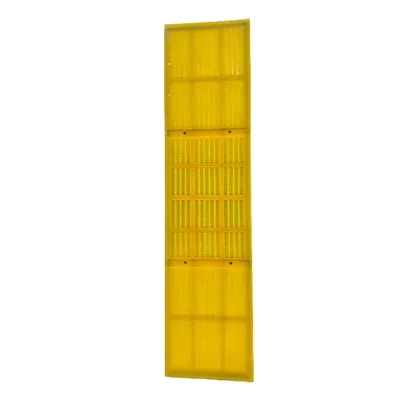
In addition to Polyurethane Woven Mesh, we also offer a range of other polyurethane screen products, including Polyurethane Vibrating Screen, Polyurethane Self Cleaning Screens, Polyurethane Aggregate Screens, and Tensioned Polyurethane Screen. These products also share the excellent wear resistance and other properties of polyurethane, providing you with comprehensive solutions for your screening needs.
Contact Us for Your Polyurethane Mesh Needs
If you are looking for a high-wear-resistant mesh for your industrial applications, polyurethane woven mesh is definitely a worth considering choice. As a professional supplier of polyurethane screen products, we can provide you with high-quality products and excellent customer service. Whether you need a standard product or a customized solution, we are here to meet your specific requirements.
Please feel free to contact us if you have any questions or would like to discuss your procurement needs. We look forward to working with you and helping you find the best mesh solution for your business.
References
- Callister, W. D., & Rethwisch, D. G. (2010). Materials Science and Engineering: An Introduction. Wiley.
- Oertel, G. (Ed.). (1994). Polyurethane Handbook. Hanser Publications.
- Turbak, A. F. (1982). Polyurethane Elastomers. Marcel Dekker.