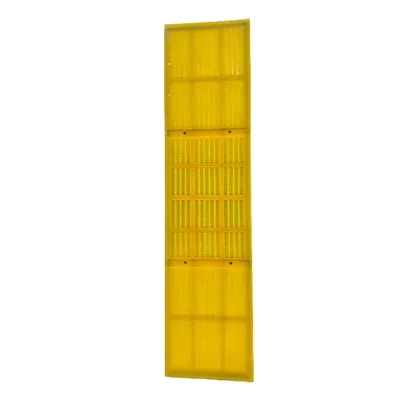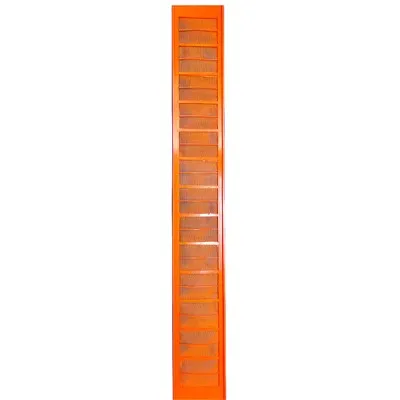
As a supplier of Tensioned Polyurethane Screens, I've witnessed firsthand the remarkable performance of these screens in various industrial applications. One of the most significant challenges in screening operations is screen blinding, which can lead to reduced efficiency, increased downtime, and higher operating costs. In this blog, I'll delve into how a tensioned polyurethane screen effectively prevents blinding, offering a reliable solution for industries dealing with challenging materials.
Understanding Screen Blinding
Screen blinding occurs when particles become lodged in the screen openings, obstructing the flow of material through the screen. This can happen for several reasons, including the size and shape of the particles, the moisture content of the material, and the design of the screen itself. When blinding occurs, the screening efficiency drops significantly, as the screen can no longer effectively separate the desired particles from the rest of the material.
How Tensioned Polyurethane Screens Prevent Blinding
1. Material Properties of Polyurethane
Polyurethane is a highly versatile material known for its excellent abrasion resistance, flexibility, and chemical resistance. These properties make it an ideal choice for screening applications. When used in tensioned screens, polyurethane's flexibility allows it to vibrate more freely, which helps to dislodge particles that may be stuck in the screen openings.
The abrasion resistance of polyurethane ensures that the screen maintains its integrity over time, even when subjected to harsh operating conditions. This means that the screen openings remain consistent, reducing the likelihood of particles getting trapped due to worn or deformed openings.
2. Tensioning Mechanism
The tensioning of the polyurethane screen is a crucial factor in preventing blinding. When a polyurethane screen is properly tensioned, it creates a taut surface that vibrates more efficiently. This vibration helps to keep the particles moving and prevents them from settling in the screen openings.
The tension also helps to maintain the shape of the screen openings, ensuring that they remain uniform. This is important because irregular openings can cause particles to become wedged, leading to blinding. By keeping the openings consistent, the tensioned screen allows for a more efficient flow of material through the screen.
3. Self - Cleaning Action
Tensioned polyurethane screens have a natural self - cleaning action. As the screen vibrates, the flexibility of the polyurethane material causes the screen to flex and stretch slightly. This movement helps to dislodge any particles that may be stuck in the openings.
In addition, the smooth surface of the polyurethane screen reduces the adhesion of particles, making it easier for them to slide off the screen. This self - cleaning action is particularly effective for materials with high moisture content or sticky particles, which are more likely to cause blinding.
4. Optimal Screen Design
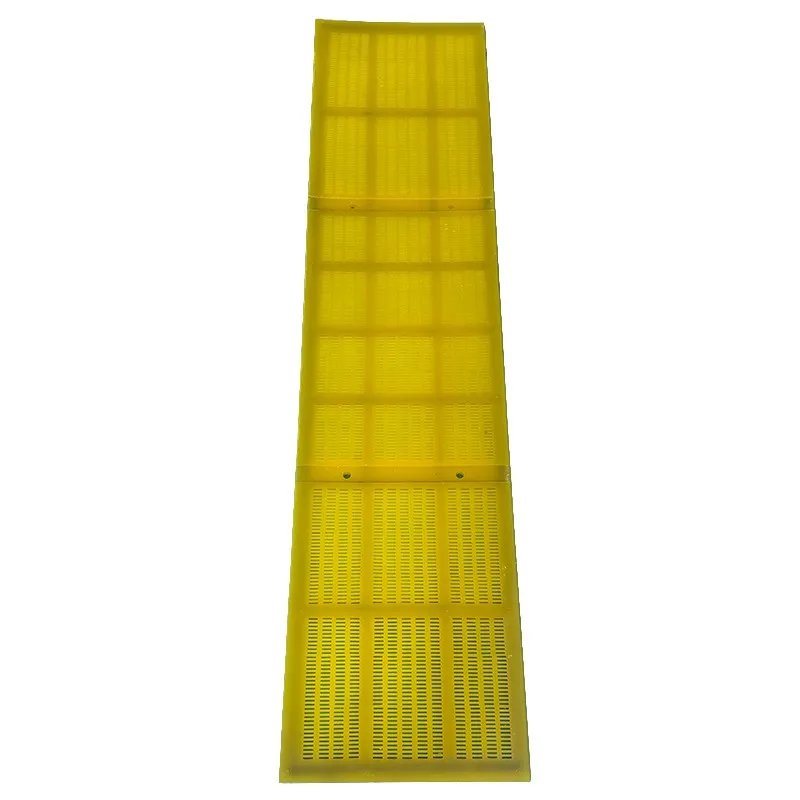
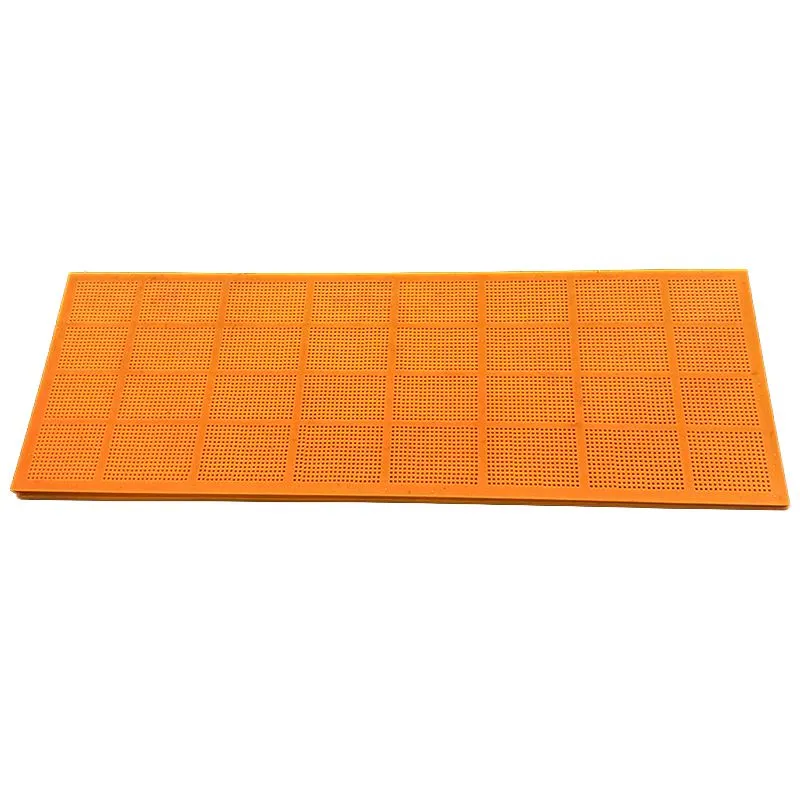
The design of the tensioned polyurethane screen plays a vital role in preventing blinding. The screen openings are carefully engineered to match the size and shape of the particles being screened. This ensures that the particles can pass through the screen easily without getting stuck.
For example, screens with square or rectangular openings are often used for materials with regular - shaped particles, while screens with slotted openings may be more suitable for materials with elongated particles. By choosing the right screen design, the risk of blinding can be significantly reduced.
Applications of Tensioned Polyurethane Screens
Tensioned polyurethane screens are widely used in various industries, including mining, quarrying, and recycling. In the mining industry, these screens are used to separate different sizes of ore particles. The ability to prevent blinding is crucial in this application, as it ensures a continuous and efficient screening process.
In the quarrying industry, tensioned polyurethane screens are used to screen aggregates such as gravel and sand. The self - cleaning action of the screens helps to maintain a high screening efficiency, even when dealing with materials that contain a lot of fines.
In the recycling industry, these screens are used to separate different types of waste materials. The flexibility and durability of the polyurethane material make it suitable for handling a wide range of materials, and the prevention of blinding ensures that the recycling process runs smoothly.
Advantages of Our Tensioned Polyurethane Screens
As a supplier of Tensioned Polyurethane Screens, we offer several advantages to our customers. Our screens are made from high - quality polyurethane materials that are carefully selected for their performance and durability.
We also provide a range of screen designs to meet the specific needs of different applications. Whether you need a screen with a specific opening size or shape, we can customize our screens to suit your requirements.
In addition, our tensioned polyurethane screens are easy to install and maintain. The tensioning system is designed to be user - friendly, and the screens can be quickly replaced when necessary, minimizing downtime.
Other Polyurethane Screen Products
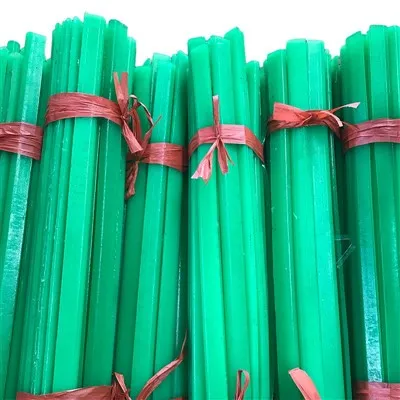
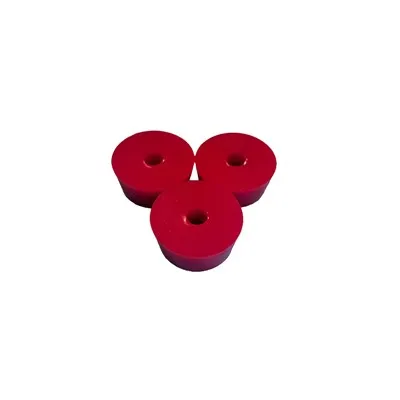
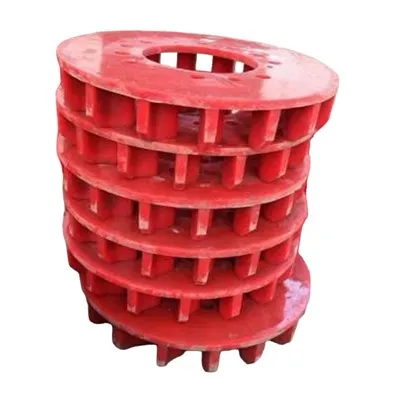
We also offer a variety of other polyurethane screen products, including Polyurethane Tension Screens, Polyurethane Aggregate Screens, Polyurethane Sieve Plate, and Polyurethane Vibrating Screen. These products share many of the same benefits as our tensioned polyurethane screens, such as high abrasion resistance, self - cleaning action, and efficient screening performance.
Conclusion and Call to Action
In conclusion, tensioned polyurethane screens are an effective solution for preventing screen blinding in various industrial applications. Their unique material properties, tensioning mechanism, self - cleaning action, and optimal design make them a reliable choice for industries that require high - efficiency screening.
If you're looking for a high - quality tensioned polyurethane screen or any of our other polyurethane screen products, we invite you to contact us for more information. Our team of experts is ready to assist you in finding the right screen for your specific needs. We can provide detailed product specifications, pricing, and installation guidance. Let's work together to improve your screening operations and increase your productivity.
References
- Smith, J. (2018). Polyurethane Materials in Screening Applications. Journal of Industrial Materials, 25(3), 123 - 135.
- Johnson, A. (2019). The Role of Tensioning in Screen Performance. Screening Technology Review, 12(2), 45 - 53.
- Brown, C. (2020). Preventing Screen Blinding in Mining Operations. Mining Engineering Journal, 30(4), 210 - 221.