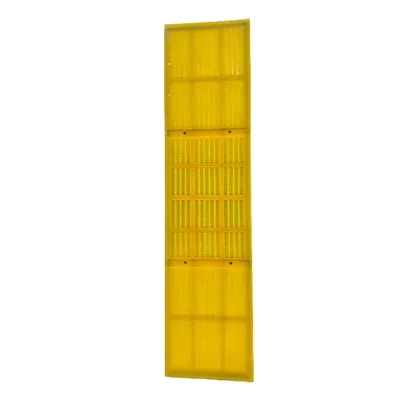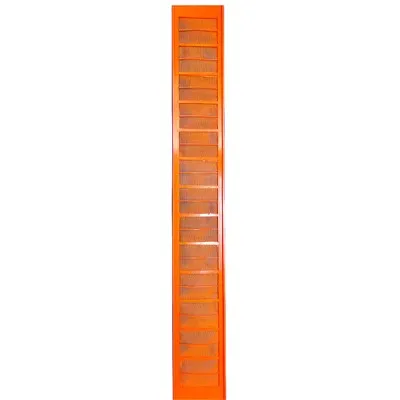
Hey there! As a supplier of Tensioned Polyurethane Screens, I'm here to have an open and honest chat with you about the not - so - great aspects of these screens. Yeah, I know it might seem a bit counterintuitive for a supplier to talk about the disadvantages, but I believe in giving you the full picture.
1. High Initial Cost
One of the first things that might put you off is the high initial investment required for Tensioned Polyurethane Screens. Compared to some traditional screen materials like steel mesh, polyurethane screens can cost a fair bit more. This is because the manufacturing process of polyurethane is more complex, and the raw materials used are often of higher quality.
Let's say you're running a small - scale mining or quarrying operation. You've got a budget to stick to, and shelling out a large sum for these screens might seem like a stretch. You might be thinking, "Why should I pay more when I can get a cheaper alternative?" Well, the long - term benefits might outweigh the initial cost, but the upfront expense is still a significant hurdle for many businesses. You can check out more about Polyurethane Tension Screens on our website to get a better idea of the pricing and features.
2. Limited Temperature Resistance
Polyurethane has its limits when it comes to temperature. These screens work best within a certain temperature range. If the operating environment gets too hot, the polyurethane can start to soften. This softening can lead to a loss of tension in the screen, which in turn affects its screening efficiency.
For example, in industries where the materials being screened are hot, like in some metal smelting or high - temperature chemical processing plants, Tensioned Polyurethane Screens might not be the best choice. The heat can cause the screen to deform, and you'll end up with inconsistent screening results. On the other hand, extremely cold temperatures can make the polyurethane brittle. When the material becomes brittle, it's more prone to cracking and breaking, which means you'll have to replace the screen more often. You can learn more about the temperature limitations of Polyurethane Vibrating Screen on our site.
3. Chemical Sensitivity
Polyurethane can be sensitive to certain chemicals. If your screening process involves contact with aggressive chemicals, the Tensioned Polyurethane Screen might not hold up well. Some solvents, acids, and alkalis can react with the polyurethane, causing it to degrade.
Imagine you're in the chemical industry, screening products that contain strong acids. Over time, the acid can eat away at the polyurethane, reducing its lifespan. This chemical degradation can also lead to changes in the physical properties of the screen, such as a decrease in its strength and flexibility. As a result, the screen might not be able to perform its intended function effectively. You can find out more about chemical compatibility on our Tensioned Polyurethane Screen page.
4. Difficulty in Customization
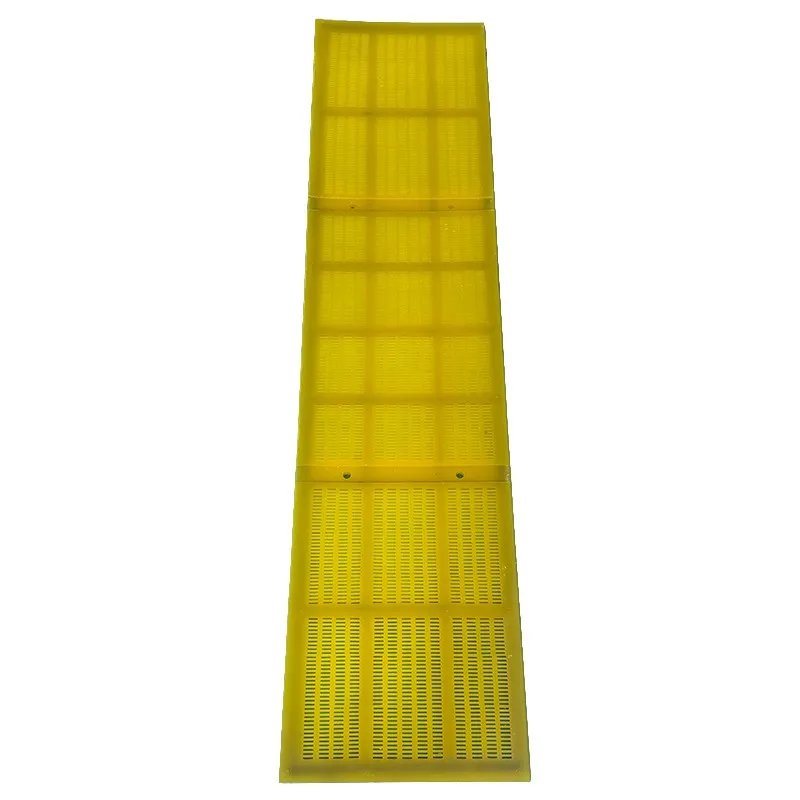
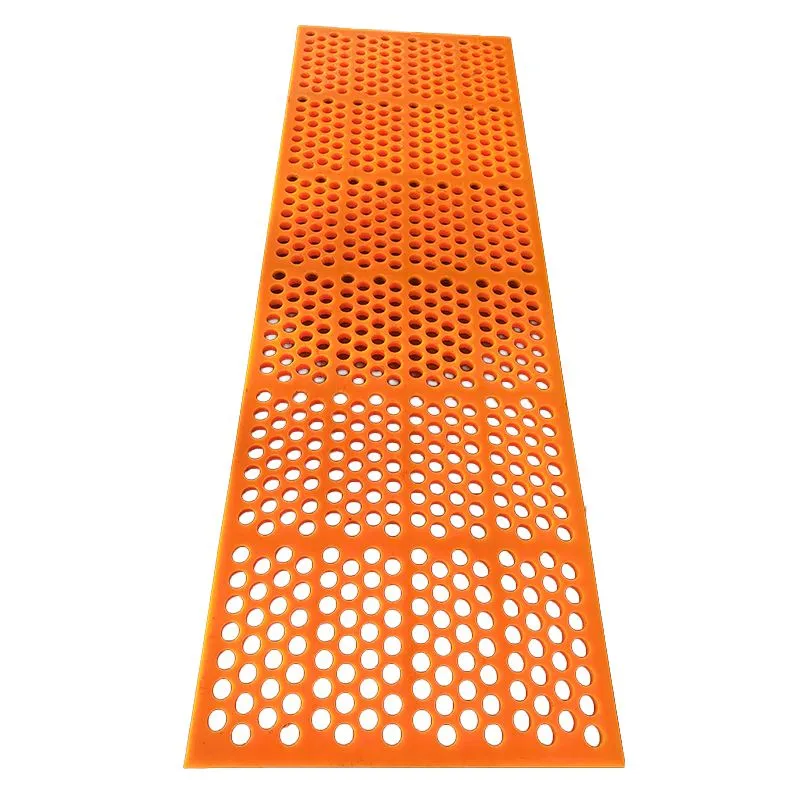
While Tensioned Polyurethane Screens come in a variety of standard sizes and configurations, customizing them to meet very specific requirements can be a challenge. The manufacturing process of these screens is somewhat rigid, and making significant changes to the design or dimensions can be time - consuming and costly.
Let's say you have a unique screening application that requires a non - standard screen size or a very specific hole pattern. Getting a customized Tensioned Polyurethane Screen might take longer than you'd like, and the cost of customization can add up quickly. This can be a real problem if you're on a tight schedule and need a solution right away. You can explore our standard options on the Polyurethane Aggregate Screens page.
5. Static Electricity Buildup
In some dry screening applications, Tensioned Polyurethane Screens can build up static electricity. This static charge can cause the screened materials to stick to the screen surface, reducing the screening efficiency. It can also create a safety hazard, especially in environments where there's a risk of explosion.
For instance, in the pharmaceutical or food industry, where the presence of static electricity can attract dust and contaminants, this can be a major issue. The buildup of static can also lead to uneven screening, as the materials might clump together on the screen. You can find out more about how we're trying to address static issues on our Polyurethane Sieve Plate page.
6. Recycling Challenges
When it's time to replace your Tensioned Polyurethane Screen, recycling it can be a bit of a headache. Polyurethane is not as easy to recycle as some other materials. The complex chemical structure of polyurethane makes it difficult to break down and reuse.
This means that at the end of its life cycle, the screen might end up in a landfill. For businesses that are environmentally conscious, this can be a major drawback. You might be looking for more sustainable screening solutions, and the limited recyclability of Tensioned Polyurethane Screens can be a deterrent.
Conclusion
So, there you have it - the main disadvantages of Tensioned Polyurethane Screens. But don't be too quick to write them off! Despite these drawbacks, these screens also offer many advantages like high wear resistance, long service life, and excellent screening efficiency in the right conditions.
If you're still interested in learning more about how these screens can work for you, or if you want to discuss your specific screening needs, feel free to reach out. We're here to answer your questions and help you make the best decision for your business.
References
- Industry reports on polyurethane materials and screening technology
- In - house research and development data from our manufacturing process