In the industrial sector, the durability and performance of equipment components are of utmost importance. Polyurethane screen panels have gained significant popularity in recent years due to their excellent wear resistance, high elasticity, and long service life. One common question that arises when considering these panels is, "Are polyurethane screen panels resistant to oil?" As a polyurethane screen panel supplier, I'm here to provide a detailed analysis of this topic.
Understanding Polyurethane Screen Panels
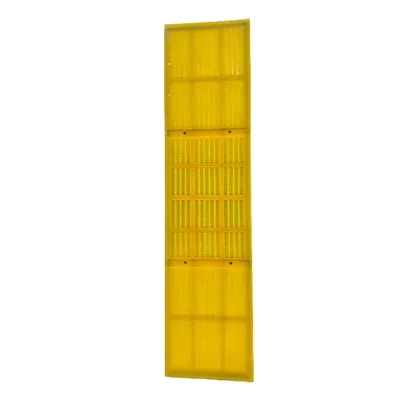
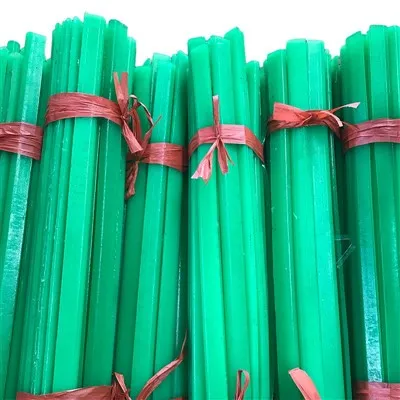
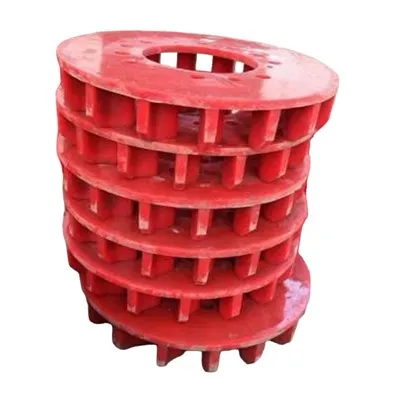
Polyurethane is a versatile polymer that can be engineered to have a wide range of properties. Polyurethane screen panels are typically made by casting or molding polyurethane materials into specific shapes and sizes. These panels are commonly used in various industries, such as mining, quarrying, recycling, and wastewater treatment, for screening and separating different types of materials.
The key advantages of polyurethane screen panels include:
- Wear Resistance: Polyurethane has excellent abrasion resistance, which allows the screen panels to withstand the impact and friction of the materials being screened.
- High Elasticity: The high elasticity of polyurethane enables the screen panels to absorb shock and vibration, reducing the risk of damage and extending their service life.
- Corrosion Resistance: Polyurethane is resistant to many chemicals and corrosive substances, making it suitable for use in harsh environments.
- Customizable: Polyurethane screen panels can be customized to meet specific requirements, such as different mesh sizes, shapes, and thicknesses.
Oil Resistance of Polyurethane Screen Panels
The oil resistance of polyurethane screen panels depends on several factors, including the type of polyurethane used, the formulation of the material, and the nature of the oil.
Types of Polyurethane
There are two main types of polyurethane: polyester-based and polyether-based. Polyester-based polyurethanes generally have better oil resistance than polyether-based polyurethanes. This is because the ester groups in polyester-based polyurethanes are more polar and can interact with the polar components in oil, forming a more stable structure.
Formulation of the Material
The formulation of the polyurethane material can also affect its oil resistance. Additives and fillers can be incorporated into the polyurethane to improve its oil resistance. For example, some manufacturers may add special polymers or additives that can enhance the chemical resistance of the polyurethane.
Nature of the Oil
The type of oil also plays a crucial role in determining the oil resistance of polyurethane screen panels. Different oils have different chemical compositions and properties. For example, mineral oils, synthetic oils, and vegetable oils have different polarities and viscosities, which can affect their interaction with the polyurethane. Mineral oils are generally less polar and more likely to cause swelling and softening of the polyurethane compared to synthetic or vegetable oils.
Testing and Evaluation of Oil Resistance
To determine the oil resistance of polyurethane screen panels, various testing methods can be used. One common method is the immersion test, where the screen panels are immersed in a specific type of oil for a certain period of time at a controlled temperature. After the immersion period, the panels are removed, and their weight, dimensions, and mechanical properties are measured to evaluate the degree of oil absorption and any changes in the material.
Another method is the oil spray test, where the screen panels are subjected to a continuous spray of oil for a specified period. This test simulates the real-world conditions where the panels may be exposed to oil mist or splashes.
Applications in Oil - Exposed Environments
Despite the varying degrees of oil resistance, polyurethane screen panels can still be used in some oil - exposed environments.
In the mining industry, for example, some mining operations involve the use of lubricants and hydraulic oils. Polyurethane screen panels can be used in screening equipment in these operations if the oil exposure is limited and the appropriate type of polyurethane is selected. The high wear resistance and elasticity of the panels can still provide significant benefits in terms of screening efficiency and equipment longevity.
In the recycling industry, where waste materials may be contaminated with oil, polyurethane screen panels can also be used. However, it is important to ensure that the panels are properly maintained and cleaned to prevent the accumulation of oil, which could potentially affect their performance over time.
Our Polyurethane Screen Panel Products
As a supplier of polyurethane screen panels, we offer a wide range of products to meet the diverse needs of our customers. Our products include:
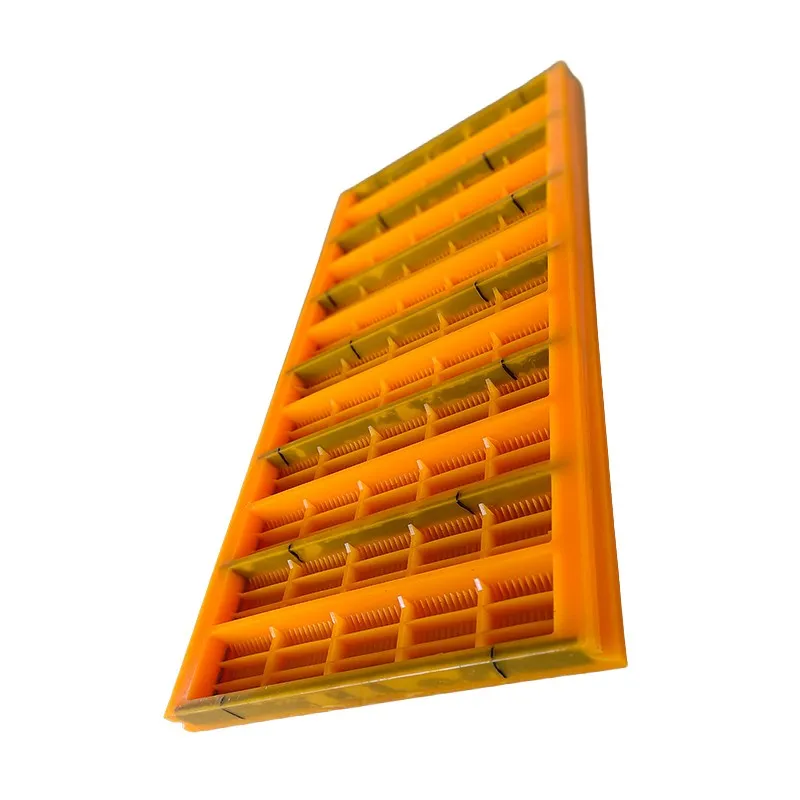
- Dewatering Screen Panels: These panels are specifically designed for dewatering applications, where they help to separate water from solid materials. They are highly efficient and can withstand the rigors of continuous operation.
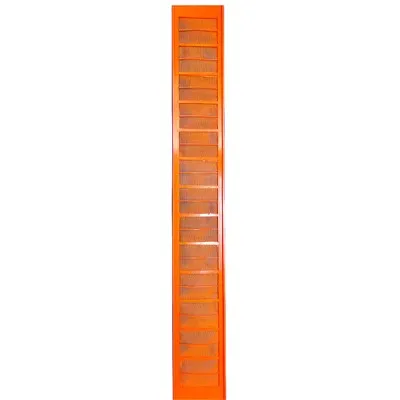
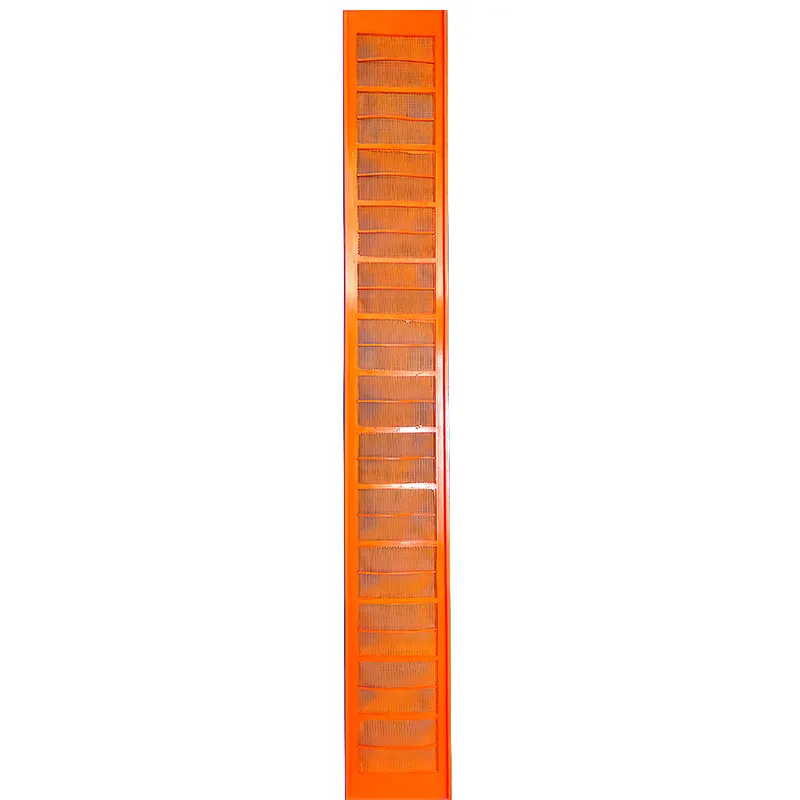
- Rail Mounted PU Screen: Our rail - mounted polyurethane screens are easy to install and remove, making them convenient for maintenance and replacement. They are also extremely durable and can provide long - lasting performance.
- Polyurethane Tension Screen: These screens are designed to be tensioned for optimal screening efficiency. They are suitable for a variety of materials and can be customized to meet specific requirements.
- Flip Flow Screen Mats and Flip Flop Screen Mats: These innovative screen mats use a flipping or flopping motion to enhance the screening process. They are particularly effective in screening sticky or difficult - to - separate materials.
Contact Us for Purchase and Consultation
If you are interested in our polyurethane screen panels and have questions regarding their oil resistance or other properties, we encourage you to contact us. We have a team of experts who can provide you with detailed information and help you select the most suitable products for your specific applications. Whether you are in the mining, recycling, or any other industry that requires high - quality screening solutions, we are here to assist you. Reach out to us to discuss your procurement needs and start a fruitful business relationship.
References
- "Polyurethane Handbook" by G. Oppermann, V. Marquardt, and E. T. Haberer.
- Industrial Polymer Applications, CRC Press, 2018.
- Journal of Applied Polymer Science, various issues related to polyurethane materials and their properties.