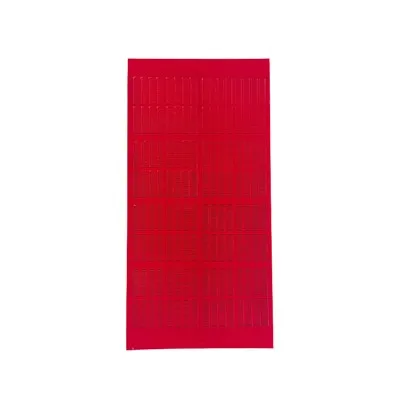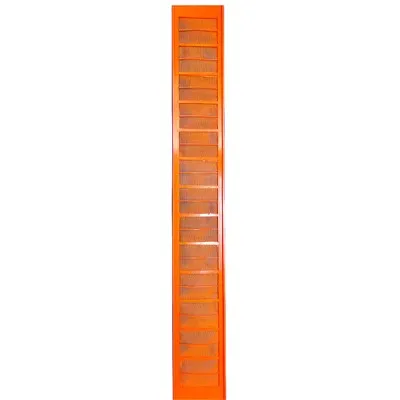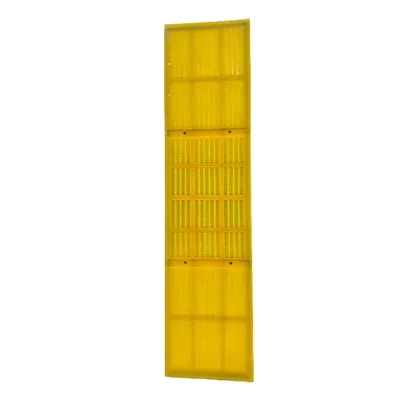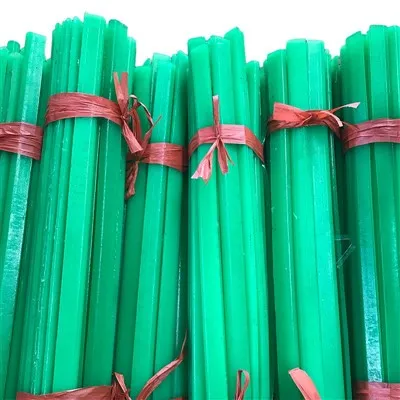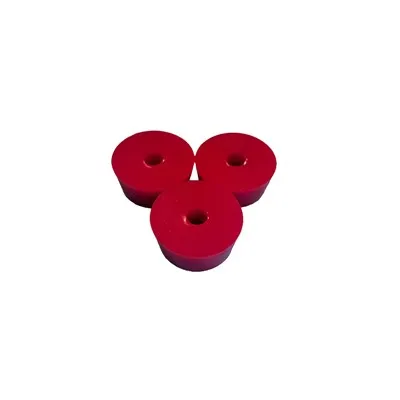
Hey there! As a supplier of Dewatering Screen Panels, I've seen firsthand how important it is to improve the durability of these panels. In this blog, I'm gonna share some tips and tricks that can help you get the most out of your dewatering screen panels.
Understanding the Basics
First things first, let's talk about what dewatering screen panels are and why durability matters. Dewatering screen panels are used in various industries, like mining and wastewater treatment, to separate solids from liquids. They work by allowing water to pass through while retaining the solid particles.
Durability is crucial because these panels are constantly exposed to harsh conditions, such as abrasive materials, high-pressure water, and heavy loads. If a panel isn't durable, it can wear out quickly, leading to frequent replacements, downtime, and increased costs.
Choosing the Right Material
One of the most important factors in improving the durability of dewatering screen panels is choosing the right material. There are several materials available, each with its own pros and cons.
- Polyurethane: Polyurethane is a popular choice for dewatering screen panels because it's highly resistant to abrasion, impact, and chemicals. It also has good flexibility, which helps it absorb shock and reduce wear. Check out our Polyurethane Screen Panels For Mining for more information.
- Rubber: Rubber is another option that offers good durability and flexibility. It's resistant to abrasion and chemicals, and it can handle high loads. However, rubber may not be as resistant to heat as polyurethane.
- Steel: Steel is a strong and durable material, but it's also heavy and prone to corrosion. It's often used in applications where high strength is required, but it may not be the best choice for dewatering screen panels due to its weight and potential for rust.
Proper Installation
Once you've chosen the right material, proper installation is key to ensuring the durability of your dewatering screen panels. Here are some tips to keep in mind:
- Follow the Manufacturer's Instructions: The manufacturer's instructions will provide specific guidelines on how to install the panels correctly. Make sure you read and follow these instructions carefully.
- Use the Right Tools: Using the right tools for the job can help ensure a proper installation. This may include screwdrivers, wrenches, and other tools specific to the type of panel you're installing.
- Check for Proper Alignment: The panels should be installed in a way that ensures proper alignment. This will help prevent uneven wear and tear on the panels.
- Secure the Panels: Make sure the panels are securely fastened to the screen frame. Loose panels can vibrate and cause damage over time.
Regular Maintenance
Regular maintenance is essential for improving the durability of dewatering screen panels. Here are some maintenance tasks you should perform on a regular basis:
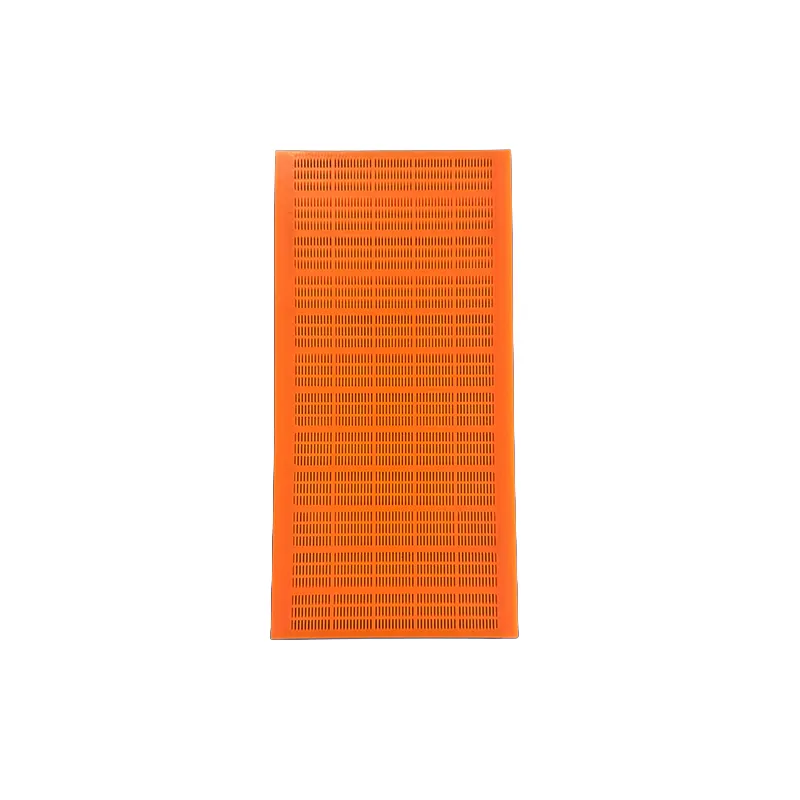
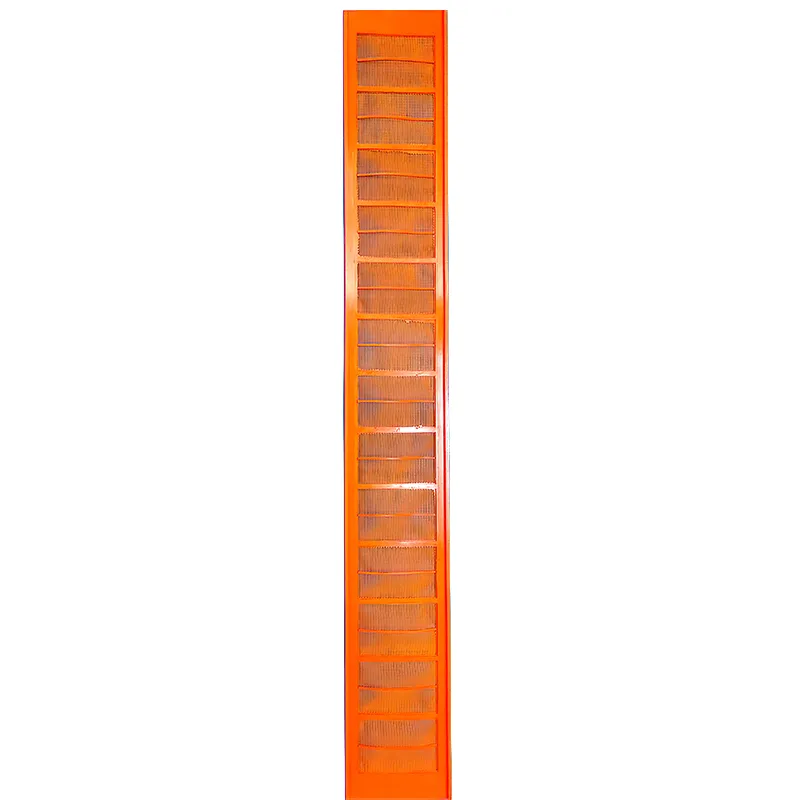
- Clean the Panels: Cleaning the panels regularly can help remove any buildup of dirt, debris, or chemicals. This can prevent the panels from becoming clogged and reduce wear and tear.
- Inspect the Panels: Inspect the panels for any signs of damage, such as cracks, holes, or wear. If you notice any damage, replace the panel as soon as possible to prevent further damage.
- Lubricate Moving Parts: If your dewatering screen has any moving parts, such as bearings or gears, make sure to lubricate them regularly. This can help reduce friction and wear.
- Adjust the Tension: Over time, the tension on the panels may change. Make sure to check and adjust the tension as needed to ensure proper performance.
Optimizing Operating Conditions
In addition to choosing the right material, proper installation, and regular maintenance, optimizing the operating conditions can also help improve the durability of dewatering screen panels. Here are some things to consider:
- Reduce the Load: If possible, try to reduce the load on the screen panels. This can help prevent excessive wear and tear.
- Control the Feed Rate: The feed rate of the material being screened can also affect the durability of the panels. Make sure to control the feed rate to prevent overloading the panels.
- Monitor the Temperature: High temperatures can cause the panels to expand and contract, which can lead to damage. Make sure to monitor the temperature and take steps to keep it within a safe range.
- Use a Pre-Screen: Using a pre-screen can help remove larger particles before they reach the dewatering screen panels. This can reduce the wear and tear on the panels.
Other Considerations
Here are some other things to keep in mind when trying to improve the durability of dewatering screen panels:
- Choose the Right Panel Design: The design of the panel can also affect its durability. Make sure to choose a panel design that is suitable for your specific application.
- Consider the Screen Mesh Size: The screen mesh size can also affect the durability of the panels. A smaller mesh size may be more prone to clogging, while a larger mesh size may allow larger particles to pass through, which can cause damage.
- Use a Protective Coating: Applying a protective coating to the panels can help improve their durability. This can help prevent corrosion, abrasion, and other types of damage.
Conclusion
Improving the durability of dewatering screen panels is essential for reducing costs, increasing productivity, and ensuring the long-term performance of your equipment. By choosing the right material, proper installation, regular maintenance, optimizing operating conditions, and considering other factors, you can extend the lifespan of your dewatering screen panels and get the most out of your investment.
If you're interested in learning more about our Dewatering Screen Panels, Flip Flow Screen Mats, Rail Mounted PU Screen, or Flip Flop Screen Mats, feel free to reach out to us. We'd be happy to discuss your specific needs and help you find the right solution for your application.
References
- Manufacturer's guidelines for dewatering screen panels
- Industry best practices for screen panel maintenance and operation