In the realm of industrial screening, the choice of screening method can significantly impact the efficiency, productivity, and overall success of operations. Traditional screening methods have long been the go - to solution for many industries, but in recent years, Flip Flow Screen Mats have emerged as a revolutionary alternative. As a supplier of Flip Flow Screen Mats, I am excited to delve into a comprehensive comparison between these two approaches.
Traditional Screening Methods: A Time - Tested Approach
Traditional screening methods, such as vibrating screens, have been used for decades in various industries including mining, quarrying, and recycling. These screens typically consist of a frame with a screening surface that vibrates in a linear or circular motion. The vibration helps to separate particles based on their size as the material passes over the screen.
One of the main advantages of traditional screening methods is their simplicity. They are relatively easy to understand, operate, and maintain. The technology is well - established, and spare parts are readily available in the market. For instance, in small - scale mining operations, a simple vibrating screen can effectively separate different sizes of ore particles, providing a cost - effective solution.
However, traditional screening methods also have several limitations. One of the most significant issues is the problem of blinding. Blinding occurs when particles get stuck in the screen openings, reducing the screening efficiency. This is especially common when dealing with sticky or moist materials. In addition, traditional screens may struggle to handle fine particles effectively, as the vibration may not be sufficient to separate them from the larger particles. Another drawback is the relatively low throughput rate. As the screen surface vibrates, the material can form a layer on top of the screen, slowing down the screening process.
Flip Flow Screen Mats: A Game - Changer
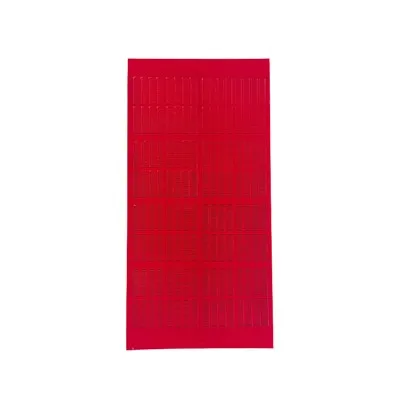
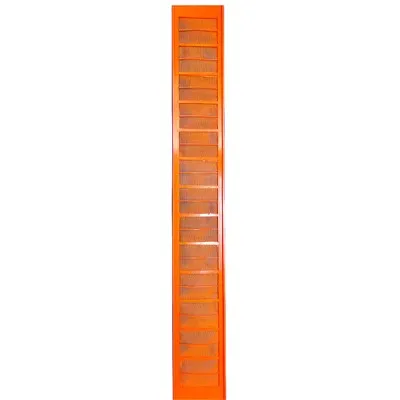
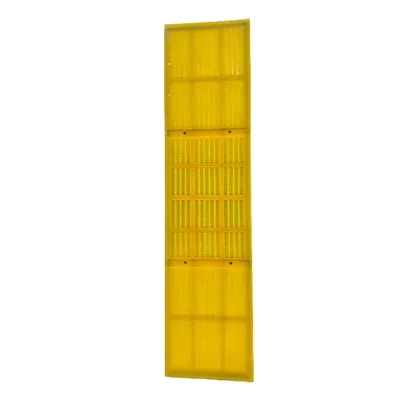
Flip Flow Screen Mats, on the other hand, offer a unique and innovative approach to screening. These mats consist of a series of polyurethane panels that are connected in a way that allows them to flex and flip. When the material is fed onto the screen, the panels flex and flip, creating a high - intensity motion that effectively separates the particles.
One of the key advantages of Flip Flow Screen Mats is their ability to prevent blinding. The flexing and flipping motion of the panels continuously cleans the screen openings, ensuring that particles do not get stuck. This makes them ideal for screening sticky or moist materials. For example, in the recycling industry, where materials such as wet cardboard or plastic waste need to be screened, Flip Flow Screen Mats can provide a much more efficient solution compared to traditional screens.
Another significant benefit is the high throughput rate. The dynamic motion of the Flip Flow Screen Mats allows the material to move quickly through the screen, increasing the amount of material that can be screened in a given time. This is particularly important in large - scale industrial operations where time is of the essence.
Flip Flow Screen Mats also offer excellent screening accuracy. The high - intensity motion ensures that even fine particles are effectively separated from the larger ones. This makes them suitable for applications where precise particle size separation is required, such as in the pharmaceutical or food industries.
Performance Comparison
When it comes to performance, Flip Flow Screen Mats outshine traditional screening methods in several aspects. In terms of screening efficiency, the continuous self - cleaning mechanism of Flip Flow Screen Mats ensures that the screen remains unblocked, resulting in a higher percentage of particles being screened correctly. Traditional screens, on the other hand, may experience a significant drop in efficiency as blinding occurs.
In terms of throughput, Flip Flow Screen Mats can handle a much larger volume of material. The dynamic motion of the panels allows the material to flow freely through the screen, reducing the time it takes for the screening process. Traditional screens may have a limited throughput due to the formation of material layers on the screen surface.
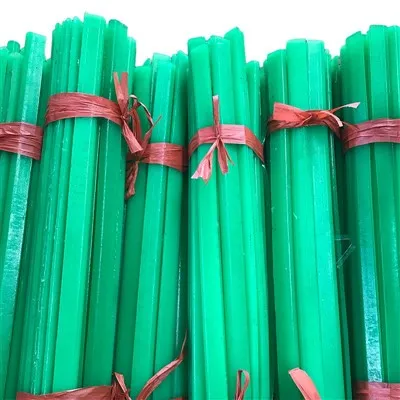
The durability of Flip Flow Screen Mats is also a major advantage. Made from high - quality polyurethane, these mats are resistant to wear and tear, even when exposed to harsh materials. This means that they have a longer lifespan compared to traditional screens, which may require more frequent replacement of screening surfaces.
Cost - Benefit Analysis
While Flip Flow Screen Mats may have a higher initial cost compared to traditional screening methods, the long - term cost benefits are significant. The reduced need for maintenance and replacement of screening surfaces due to their durability can result in substantial savings over time. In addition, the higher throughput and screening efficiency can lead to increased productivity, which can translate into higher revenues for businesses.
Traditional screening methods may seem more cost - effective in the short term, but the hidden costs associated with frequent maintenance, replacement of parts, and reduced productivity can add up over time. For example, in a large - scale mining operation, the cost of downtime due to a blocked traditional screen can be substantial, while Flip Flow Screen Mats can minimize such disruptions.
Applications
Flip Flow Screen Mats are suitable for a wide range of applications. In the mining industry, they can be used for screening coal, ore, and other minerals. The ability to handle sticky and moist materials makes them ideal for applications where traditional screens may struggle. In the recycling industry, Flip Flow Screen Mats can be used to separate different types of waste materials, such as plastics, metals, and paper.
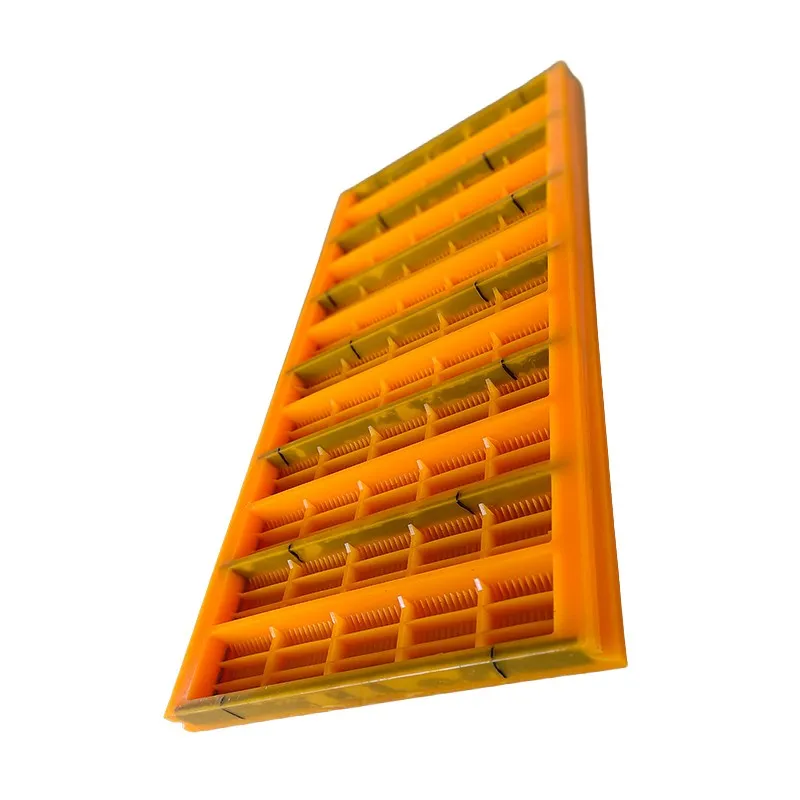
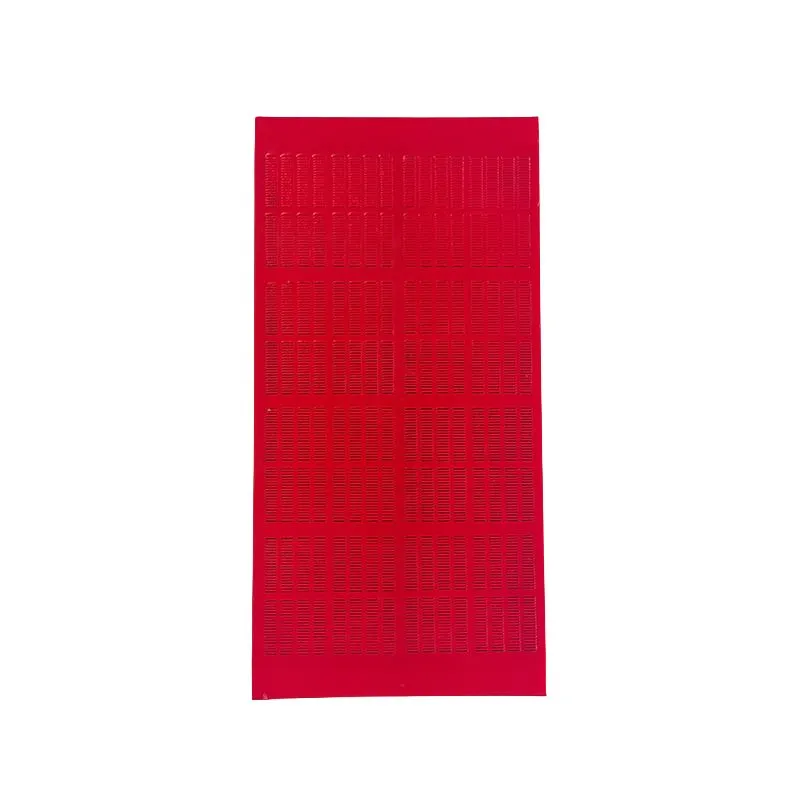
Flip Flop Screen Mats are also commonly used in the food and pharmaceutical industries for precise particle size separation. Their high - intensity motion ensures that the screening process is hygienic and efficient.
Dewatering Screen Panels are another application where Flip Flow Screen Mats can be highly effective. The dynamic motion of the panels helps to remove water from the material, making them suitable for applications such as dewatering sand or gravel.
Conclusion
In conclusion, Flip Flow Screen Mats offer a superior alternative to traditional screening methods. Their ability to prevent blinding, high throughput rate, excellent screening accuracy, and durability make them a valuable asset in various industries. While traditional screening methods have their place, especially in small - scale and less demanding applications, the benefits of Flip Flow Screen Mats are hard to ignore for large - scale and complex operations.
If you are looking for a more efficient and reliable screening solution, Flip Flow Screen Mats are definitely worth considering. We also offer Polyurethane Screen Panels For Mining and Polyurethane Tension Screen to meet different screening needs.
If you are interested in learning more about our products or would like to discuss your specific screening requirements, please feel free to reach out to us. We are committed to providing the best screening solutions and look forward to the opportunity to work with you.
References
- Smith, J. (2018). "Advances in Screening Technology". Journal of Industrial Engineering.
- Johnson, A. (2020). "Comparative Analysis of Screening Methods in the Mining Industry". International Journal of Mining Science.
- Brown, R. (2019). "The Impact of New Screening Technologies on Recycling Operations". Recycling Research Journal.