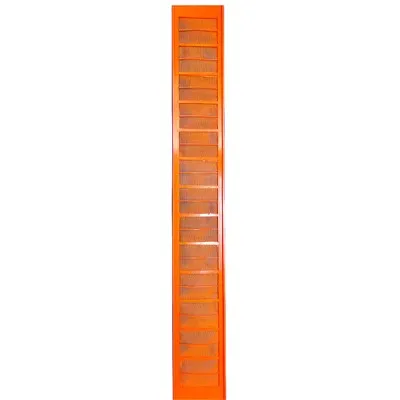
As a supplier of Polyurethane Sieve Plates, I've witnessed firsthand the crucial role that density plays in determining the performance of these essential industrial components. In this blog, I'll delve into the intricate relationship between density and the performance of Polyurethane Sieve Plates, exploring how different density levels can impact various aspects of their functionality.
Understanding Polyurethane Sieve Plates
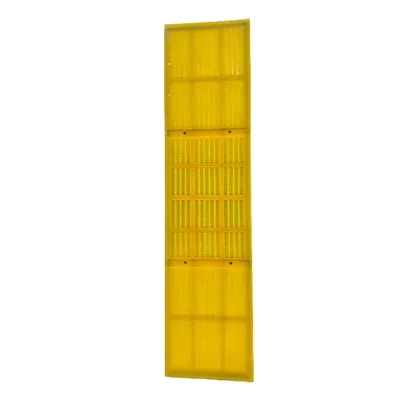
Before we discuss the impact of density, let's briefly understand what Polyurethane Sieve Plates are. Polyurethane Sieve Plates are widely used in industries such as mining, quarrying, and recycling for screening and separating materials. They are known for their high abrasion resistance, flexibility, and long service life compared to traditional metal sieve plates. Polyurethane Sieve Plate offers a cost - effective and efficient solution for a variety of screening applications.
The Concept of Density in Polyurethane Sieve Plates
Density in polyurethane sieve plates refers to the mass per unit volume of the polyurethane material used to manufacture the plates. It is typically measured in grams per cubic centimeter (g/cm³). The density of a polyurethane sieve plate can be influenced by several factors, including the type of raw materials used, the manufacturing process, and the additives incorporated into the polyurethane formulation.
Impact on Abrasion Resistance
One of the most significant ways density affects the performance of Polyurethane Sieve Plates is through its impact on abrasion resistance. Higher - density polyurethane sieve plates generally have better abrasion resistance. The tightly packed molecules in high - density polyurethane provide a more robust structure that can withstand the constant friction and wear caused by the passing of materials through the sieve.
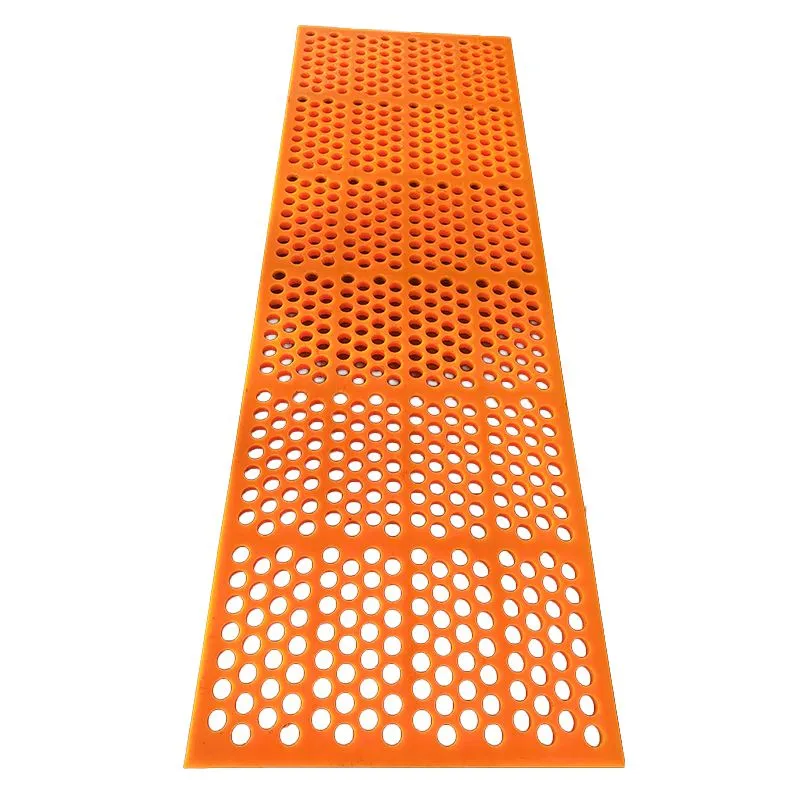
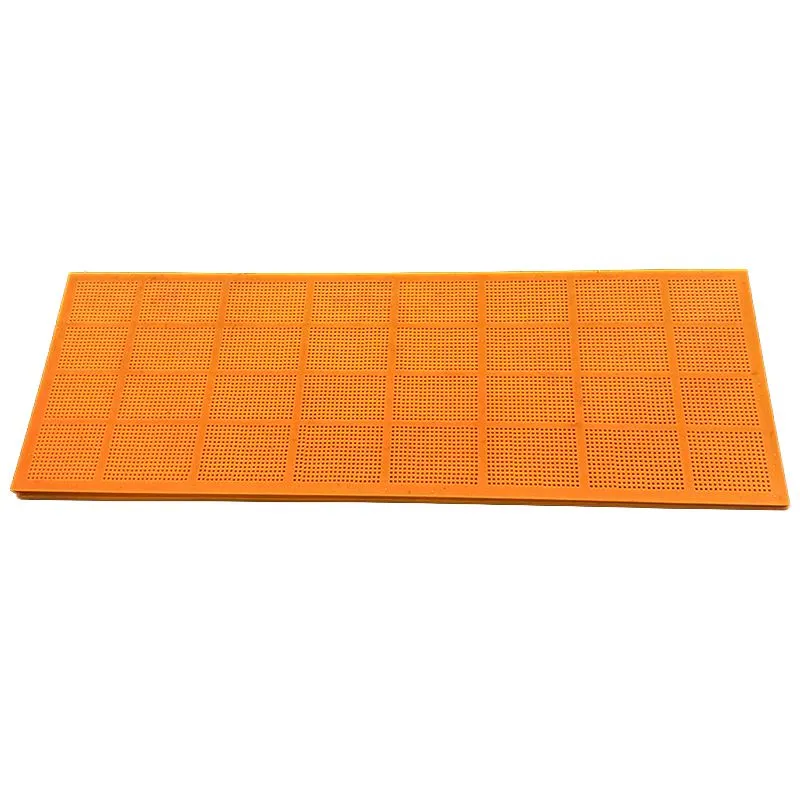
For example, in a mining operation where large volumes of abrasive ores are being screened, a high - density Polyurethane Aggregate Screens will last much longer than a low - density one. The high - density plate can resist the cutting and scratching action of the ore particles, reducing the need for frequent replacements and thus saving on maintenance costs.
Influence on Tensile Strength
Density also has a direct impact on the tensile strength of Polyurethane Sieve Plates. Tensile strength is the maximum amount of tensile stress that a material can withstand before breaking. High - density polyurethane sieve plates tend to have higher tensile strength.
When a sieve plate is under tension during operation, such as in a Polyurethane Tension Screens system, a high - density plate can better resist the stretching forces. This is crucial in applications where the sieve plate needs to maintain its shape and integrity under high - stress conditions. A sieve plate with high tensile strength is less likely to tear or break, ensuring a more reliable screening process.
Effect on Flexibility
While high - density polyurethane sieve plates offer excellent abrasion and tensile strength, they may sacrifice some flexibility. Low - density polyurethane sieve plates are generally more flexible. This flexibility can be an advantage in certain applications, such as in Polyurethane Vibrating Screen systems.
In a vibrating screen, the sieve plate needs to be able to flex slightly to ensure efficient screening. A more flexible low - density plate can better adapt to the vibrations, allowing for better material flow and separation. However, it's important to note that if the flexibility is too high, the plate may not be able to withstand the wear and tear over time.
Impact on Screening Efficiency
The density of a Polyurethane Sieve Plate can also affect its screening efficiency. High - density plates with smaller pore sizes can provide a more precise screening process, allowing for better separation of fine particles. On the other hand, low - density plates with larger pore sizes are more suitable for screening larger materials.
In applications where accurate particle size separation is crucial, such as in the pharmaceutical or food industries, high - density Tensioned Polyurethane Screen can offer better results. However, in industries where the focus is on screening large volumes of coarse materials, low - density plates may be more appropriate.
Considerations for Choosing the Right Density
When choosing the density of a Polyurethane Sieve Plate, several factors need to be considered. Firstly, the type of material being screened is crucial. Abrasive materials require high - density plates for better wear resistance, while non - abrasive materials may allow for the use of lower - density plates.
Secondly, the operating conditions play a significant role. If the sieve plate is subjected to high - stress conditions, such as high - speed vibration or heavy loads, a high - density plate with high tensile strength is recommended. However, if the screening process requires a certain degree of flexibility, a lower - density plate may be a better choice.
Conclusion
In conclusion, the density of Polyurethane Sieve Plates has a profound impact on their performance. From abrasion resistance and tensile strength to flexibility and screening efficiency, density is a key factor that needs to be carefully considered when selecting a sieve plate for a specific application.
As a supplier of Polyurethane Sieve Plates, I understand the importance of providing the right product for each customer's needs. Whether you need a high - density plate for a heavy - duty mining application or a low - density plate for a more flexible screening process, we can offer a wide range of options to meet your requirements.
If you are interested in learning more about our Polyurethane Sieve Plates or would like to discuss your specific screening needs, please feel free to contact us for a detailed consultation and procurement discussion.
References
- Smith, J. (2018). "Polyurethane Materials in Industrial Screening Applications." Journal of Industrial Materials, 25(3), 123 - 135.
- Johnson, A. (2019). "The Impact of Material Density on the Performance of Screening Equipment." Proceedings of the International Conference on Mining and Screening Technologies, 45 - 52.
- Brown, R. (2020). "Advances in Polyurethane Sieve Plate Technology." Industrial Engineering Review, 32(2), 78 - 89.