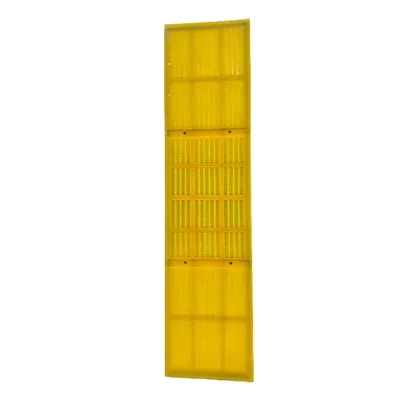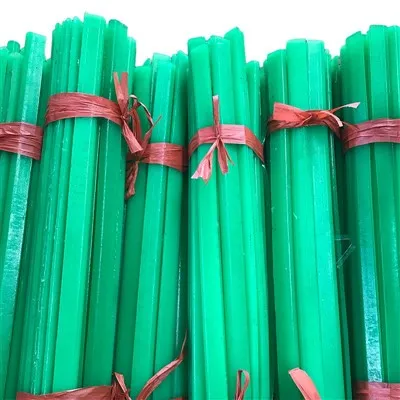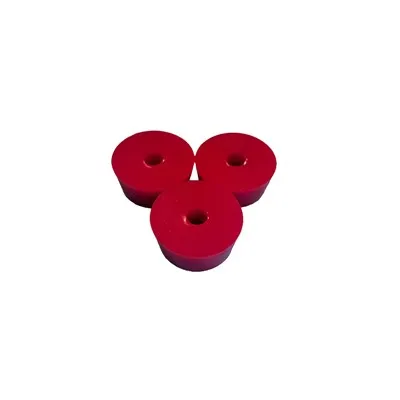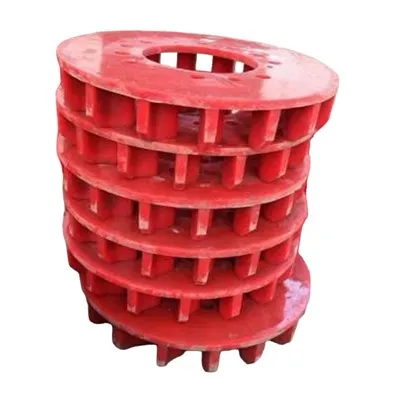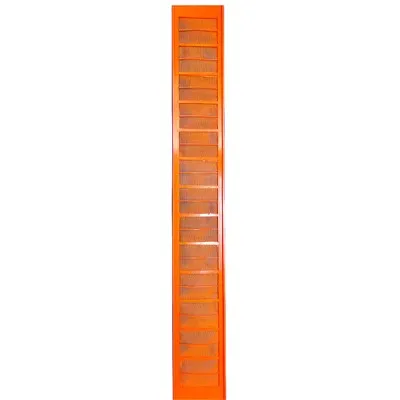
In the industrial realm, dewatering processes are of paramount importance, especially in sectors like mining, aggregate production, and wastewater treatment. Dewatering screen panels play a crucial role in these processes, separating solids from liquids efficiently. But how do they perform in high - pressure environments? As a supplier of Dewatering Screen Panels, I've had the opportunity to closely observe their behavior under such conditions.
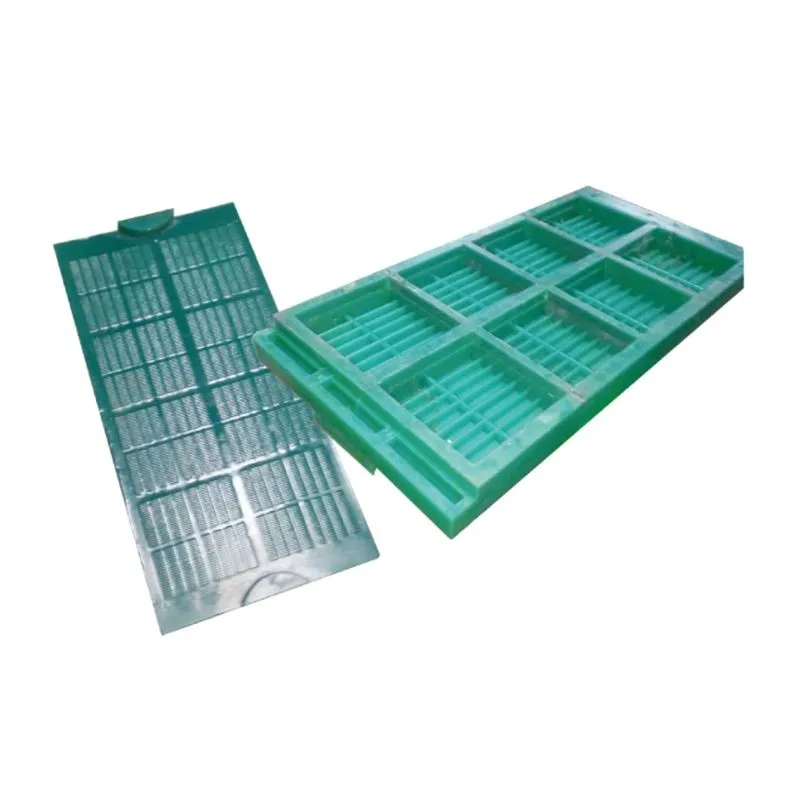
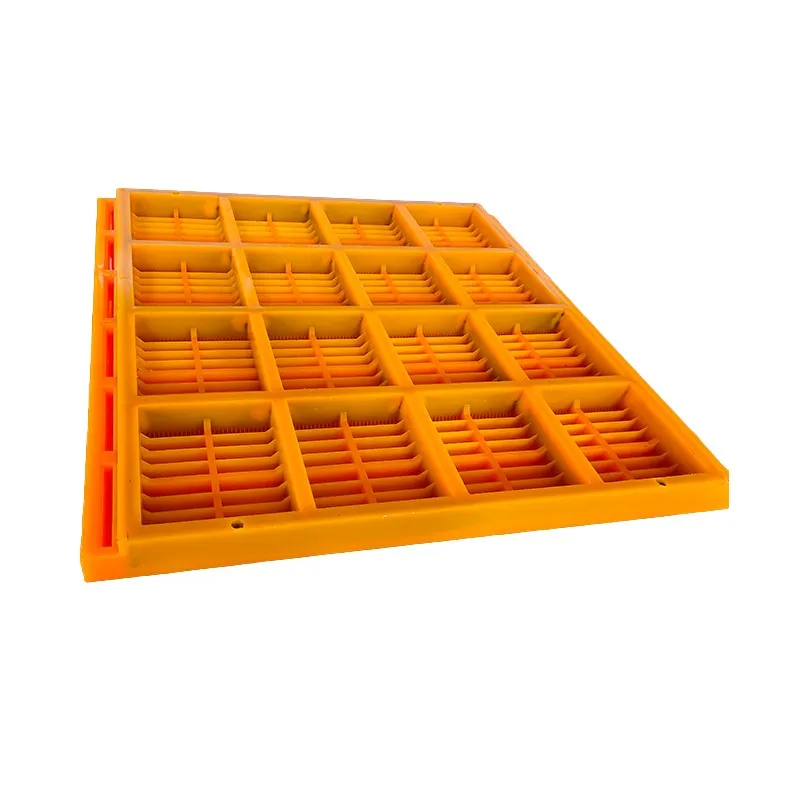
Understanding High - Pressure Environments in Dewatering
High - pressure environments in dewatering can occur in various scenarios. In mining, for example, when processing ore slurries, high - pressure pumps are often used to move the material through the dewatering system. The pressure can be generated by the force required to transport the dense slurry over long distances or to force the liquid through the screen panels. In wastewater treatment plants, high - pressure filtration processes are employed to increase the efficiency of solid - liquid separation.
The pressure in these environments can range from a few pounds per square inch (psi) to several hundred psi, depending on the specific application. Higher pressures generally mean a greater driving force for the liquid to pass through the screen panels, but they also pose challenges to the performance and durability of the panels.
Performance of Dewatering Screen Panels in High - Pressure Environments
Filtration Efficiency
One of the primary performance indicators of dewatering screen panels is their filtration efficiency. In high - pressure environments, the increased pressure can enhance the filtration rate. The force pushes the liquid through the screen openings more quickly, reducing the time required for dewatering. However, this also requires the screen panels to have appropriate pore sizes. If the pores are too large, fine particles may pass through along with the liquid, reducing the quality of the separated solids. On the other hand, if the pores are too small, the high pressure may cause blockages, leading to a decrease in filtration efficiency over time.
Our Dewatering Screen Panels are designed with precision to balance these factors. The pore sizes are carefully engineered to allow for optimal liquid flow while retaining the desired solid particles. This ensures that even under high pressure, the panels can maintain a high level of filtration efficiency.
Durability
High - pressure environments can be extremely demanding on the physical structure of dewatering screen panels. The constant force exerted on the panels can cause wear and tear, leading to premature failure. Materials used in the construction of the panels play a crucial role in determining their durability.
Polyurethane is a popular material for dewatering screen panels due to its excellent abrasion resistance and flexibility. Our Polyurethane Tension Screen is made from high - quality polyurethane, which can withstand the high pressures without significant deformation or damage. The material's elasticity allows it to absorb the impact of the high - pressure flow, reducing the stress on the panel and extending its lifespan.
Resistance to Clogging
Clogging is a common problem in dewatering processes, especially in high - pressure environments. The high - pressure flow can force fine particles into the screen openings, causing blockages. This not only reduces the filtration efficiency but also increases the energy consumption of the dewatering system.
Our Flip Flop Screen Mats and Flip Flow Screen Mats are designed to address this issue. These mats have a unique self - cleaning mechanism. The high - pressure flow causes the mats to flex and vibrate, dislodging the particles that may have become trapped in the screen openings. This ensures continuous and efficient operation even in high - pressure conditions.
Factors Affecting the Performance of Dewatering Screen Panels in High - Pressure Environments
Panel Design
The design of the dewatering screen panels can significantly affect their performance in high - pressure environments. Panels with a uniform pore distribution and a well - designed flow path can ensure more consistent filtration and reduce the risk of clogging. For example, our Rail Mounted PU Screen has a modular design that allows for easy installation and replacement. The panels are also designed to optimize the flow of the slurry, ensuring that the high - pressure force is evenly distributed across the screen surface.
Material Properties
As mentioned earlier, the material properties of the screen panels are crucial for their performance in high - pressure environments. In addition to abrasion resistance and flexibility, other properties such as chemical resistance and thermal stability also play a role. Polyurethane, for example, is resistant to many chemicals commonly found in mining and wastewater treatment applications. This ensures that the panels can maintain their integrity even when exposed to harsh chemical environments.
Operating Conditions
The operating conditions, such as the pressure level, flow rate, and the characteristics of the slurry, can also affect the performance of the dewatering screen panels. Higher pressure levels generally require panels with greater strength and durability. The flow rate of the slurry can also impact the filtration efficiency, as a high flow rate may not allow sufficient time for the liquid to pass through the screen. Understanding these operating conditions and selecting the appropriate screen panels is essential for optimal performance.
Case Studies: Dewatering Screen Panels in High - Pressure Applications
Mining Industry
In a large - scale mining operation, high - pressure dewatering is used to process copper ore slurries. The slurry is pumped through a series of dewatering screen panels at a pressure of around 100 psi. Our Dewatering Screen Panels were installed in the system, and they demonstrated excellent performance. The panels maintained a high filtration efficiency, separating the copper concentrate from the liquid with minimal loss of fine particles. The durability of the polyurethane panels also ensured a long service life, reducing the maintenance costs and downtime of the dewatering system.
Wastewater Treatment
In a wastewater treatment plant, high - pressure filtration is used to remove solids from the effluent. The pressure in the system can reach up to 200 psi. Our Flip Flow Screen Mats were installed in the filtration unit. The self - cleaning mechanism of the mats effectively prevented clogging, allowing for continuous and efficient operation. The high - quality polyurethane material of the mats also withstood the high pressure and the chemical environment of the wastewater, ensuring reliable performance over an extended period.
Conclusion and Call to Action
In conclusion, dewatering screen panels can perform effectively in high - pressure environments when they are designed and manufactured with the right materials and features. Our range of Dewatering Screen Panels, Flip Flop Screen Mats, Polyurethane Tension Screen, Flip Flow Screen Mats, and Rail Mounted PU Screen are engineered to meet the challenges of high - pressure dewatering applications.
If you are looking for high - quality dewatering screen panels for your high - pressure dewatering processes, we invite you to contact us for a detailed discussion. Our team of experts can help you select the most suitable products for your specific needs and provide you with professional advice on installation and maintenance.
References
- Smith, J. (2018). "Advanced Dewatering Technologies in the Mining Industry". Journal of Mining Engineering, 25(3), 123 - 135.
- Johnson, R. (2019). "High - Pressure Filtration in Wastewater Treatment". Environmental Science and Technology, 32(4), 210 - 220.