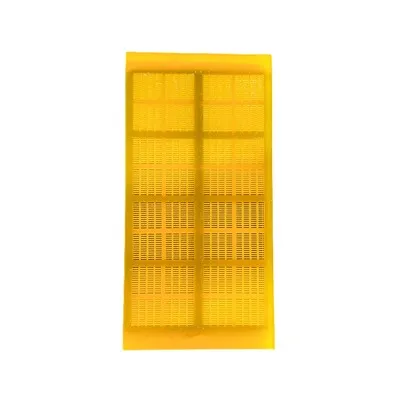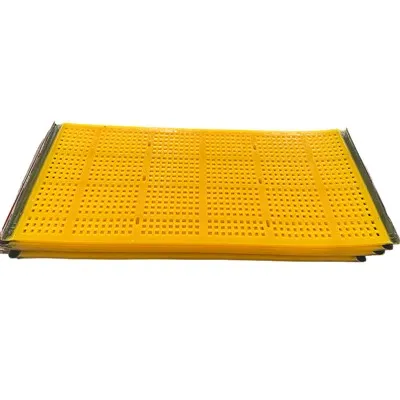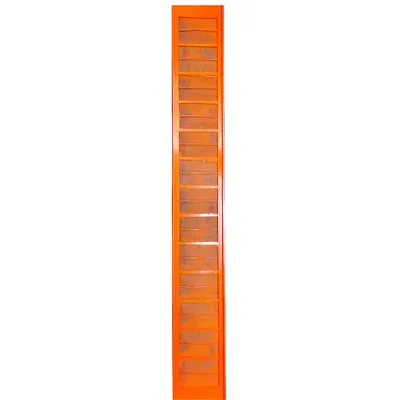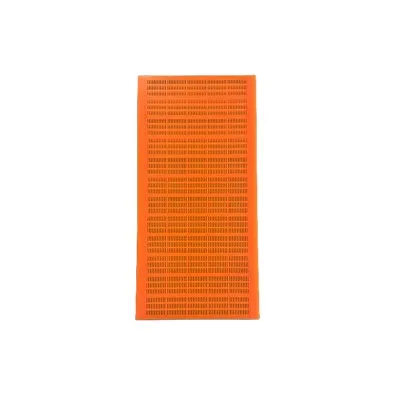
Tensile strength is a critical property when it comes to evaluating the performance and durability of polyurethane screen wedges. As a supplier of Polyurethane Screen Wedges, understanding the concept of tensile strength and its implications for our products is essential. In this blog post, we will delve into what tensile strength is, how it relates to polyurethane screen wedges, and why it matters in various industrial applications.
What is Tensile Strength?
Tensile strength refers to the maximum amount of tensile (pulling) stress that a material can withstand before it breaks or fails. It is typically measured in units of force per unit area, such as pounds per square inch (psi) or megapascals (MPa). When a material is subjected to a tensile force, it experiences elongation or stretching. The tensile strength indicates the point at which the material can no longer withstand the applied force and begins to fracture.
In the context of polyurethane screen wedges, tensile strength is a crucial parameter because these wedges are often used in demanding environments where they are subjected to significant mechanical stress. For example, in mining and aggregate processing applications, screen wedges are used to secure screens in place and ensure proper screening efficiency. They need to withstand the forces generated by the movement of materials across the screen, as well as the vibrations and impacts associated with the screening process.
Measuring the Tensile Strength of Polyurethane Screen Wedges
The tensile strength of polyurethane screen wedges is determined through standardized testing procedures. One common method is the ASTM D412 test, which involves preparing a dumbbell-shaped specimen of the polyurethane material and subjecting it to a tensile force using a testing machine. The machine gradually increases the force until the specimen breaks, and the maximum force applied is recorded. The tensile strength is then calculated by dividing the maximum force by the cross-sectional area of the specimen.
It's important to note that the tensile strength of polyurethane can vary depending on several factors, including the formulation of the polyurethane, the manufacturing process, and the environmental conditions in which the material is used. For example, different types of polyurethane resins and additives can be used to achieve different levels of tensile strength. Additionally, factors such as temperature, humidity, and exposure to chemicals can also affect the tensile strength of the material over time.
Importance of Tensile Strength in Polyurethane Screen Wedges
The tensile strength of polyurethane screen wedges plays a crucial role in their performance and longevity. A high tensile strength ensures that the wedges can withstand the forces applied during operation without breaking or deforming. This is particularly important in applications where the screen wedges are subjected to high levels of stress, such as in heavy-duty mining and quarrying operations.
In addition to providing mechanical strength, a high tensile strength also contributes to the overall durability of the screen wedges. Polyurethane screen wedges with a high tensile strength are less likely to crack or tear under normal operating conditions, which reduces the risk of screen failure and downtime. This can result in significant cost savings for our customers, as they can avoid the need for frequent screen replacements and maintenance.
Another important aspect of tensile strength is its impact on the flexibility and elasticity of the polyurethane screen wedges. Polyurethane is known for its excellent flexibility and elasticity, which allows the screen wedges to conform to the shape of the screen and provide a secure fit. A high tensile strength ensures that the wedges can maintain their shape and flexibility even under repeated stress, which helps to improve the screening efficiency and reduce the risk of material leakage.
Applications of Polyurethane Screen Wedges with High Tensile Strength
Polyurethane screen wedges with high tensile strength are used in a wide range of industrial applications, including mining, quarrying, sand and gravel processing, and recycling. In these applications, the screen wedges are used to secure screens in place and ensure proper screening efficiency. They are also used to support the weight of the screen and the material being screened, which helps to prevent the screen from sagging or deforming.
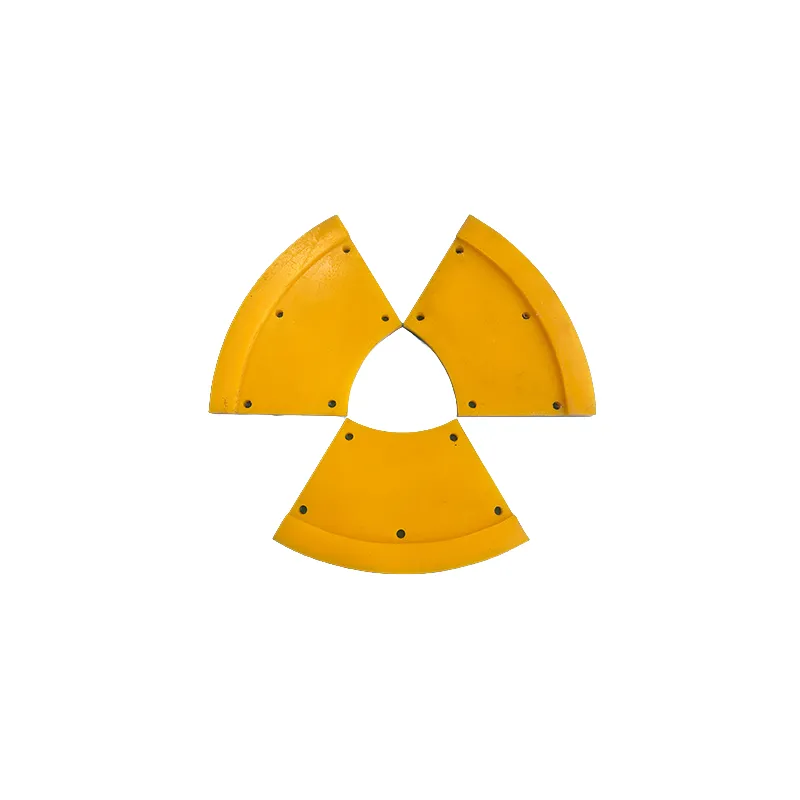
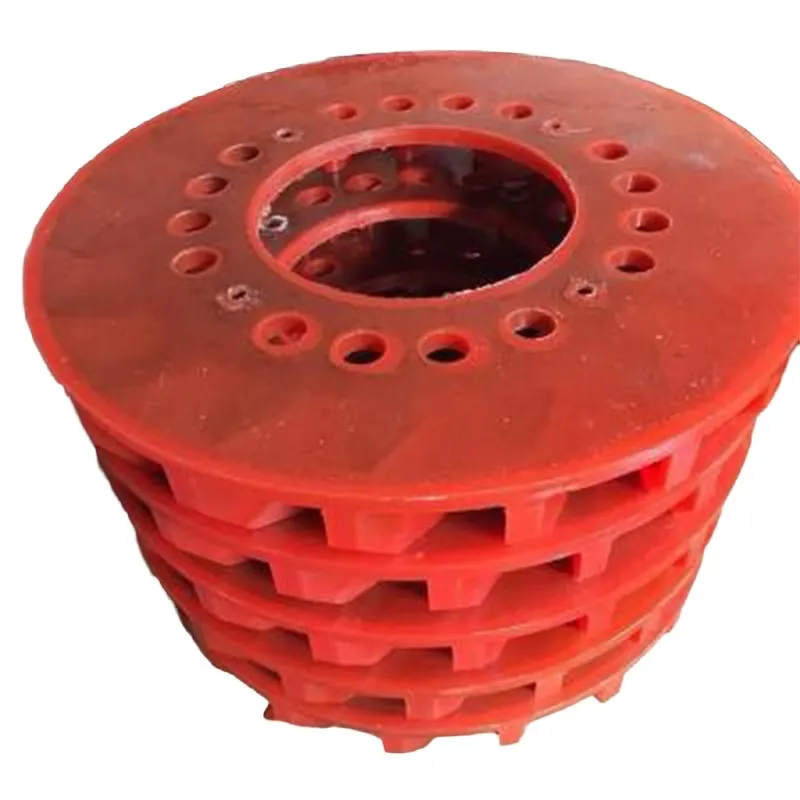
One of the key advantages of using polyurethane screen wedges with high tensile strength is their ability to withstand the harsh conditions typically encountered in these industries. For example, in mining and quarrying applications, the screen wedges are exposed to high levels of abrasion, impact, and vibration. A high tensile strength ensures that the wedges can resist these forces and maintain their integrity over time.
In addition to their mechanical properties, polyurethane screen wedges also offer several other benefits, such as chemical resistance, corrosion resistance, and low noise levels. These properties make them an ideal choice for applications where the screen wedges are exposed to harsh chemicals or environments.
Related Products
As a supplier of Polyurethane Screen Wedges, we also offer a range of related products that are designed to complement our screen wedges and provide a complete solution for our customers. Some of these products include Polyurethane Screen Rail Supports, Sand Washer Blade, and Flotation Wear Parts.
Polyurethane Screen Rail Supports are used to support the screen rails and ensure proper alignment of the screen. They are made from high-quality polyurethane material and are designed to withstand the forces generated by the movement of the screen.
Sand Washer Blades are used in sand washing machines to remove impurities and debris from the sand. They are made from wear-resistant polyurethane material and are designed to provide long-lasting performance in harsh environments.
Flotation Wear Parts are used in flotation cells to separate valuable minerals from the ore. They are made from high-quality polyurethane material and are designed to withstand the abrasive and corrosive conditions typically encountered in flotation processes.
Conclusion
In conclusion, the tensile strength of polyurethane screen wedges is a critical property that plays a crucial role in their performance and durability. A high tensile strength ensures that the wedges can withstand the forces applied during operation without breaking or deforming, which helps to improve the screening efficiency and reduce the risk of screen failure. As a supplier of Polyurethane Screen Wedges, we are committed to providing our customers with high-quality products that meet their specific needs and requirements. If you are interested in learning more about our products or would like to discuss your specific application, please contact us for a consultation. We look forward to working with you to find the best solution for your screening needs.
References
- ASTM D412 - Standard Test Methods for Vulcanized Rubber and Thermoplastic Elastomers - Tension
- Polyurethane Handbook, by G. Oertel