As a supplier of Polyweb Urethane Screens, I am often asked about the load - bearing capacity of our products. In this blog, I will delve into the factors that determine the load - bearing capacity of Polyweb Urethane Screens and explain why they are a reliable choice for various industrial applications.
Understanding the Basics of Polyweb Urethane Screens
Polyweb Urethane Screens are made from high - quality polyurethane materials. Polyurethane is a versatile polymer known for its excellent mechanical properties, such as high abrasion resistance, flexibility, and chemical stability. These properties make polyurethane an ideal material for screen applications, especially in industries where screens are exposed to heavy loads, abrasive materials, and harsh environments.
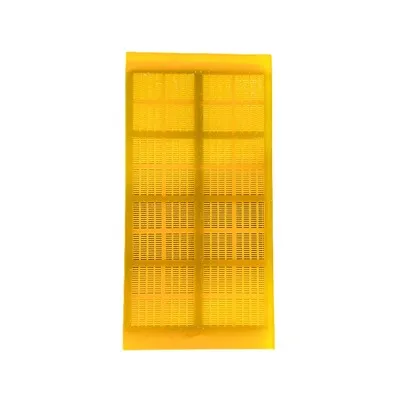
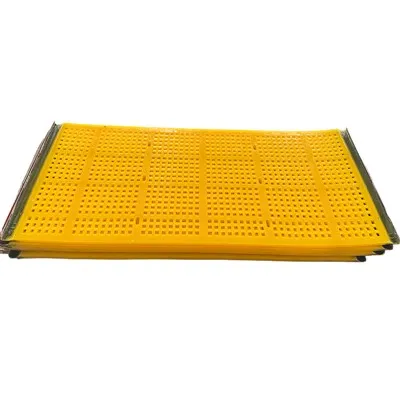
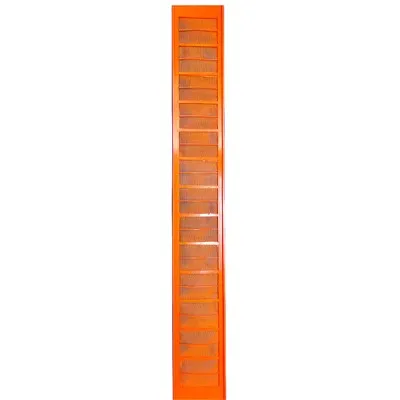
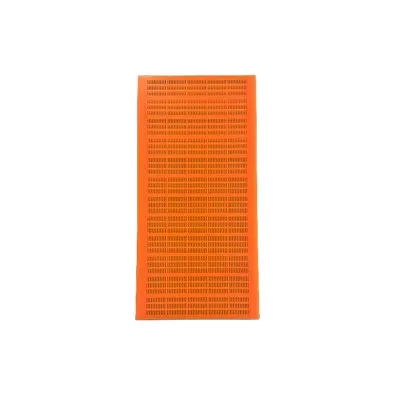
The structure of Polyweb Urethane Screens is designed to optimize their performance. They typically consist of a polyurethane matrix with a specific pattern of openings. The size, shape, and distribution of these openings can be customized according to the specific requirements of the application. The overall design of the screen affects its load - bearing capacity, as well as its ability to separate and classify materials.
Factors Affecting the Load - Bearing Capacity
Material Properties
The quality of the polyurethane used in Polyweb Urethane Screens is a crucial factor in determining their load - bearing capacity. High - grade polyurethanes have a higher density and better mechanical strength, which allows them to withstand greater loads without deformation or failure. Our company uses advanced manufacturing processes to ensure that the polyurethane material has consistent properties throughout the screen.
The hardness of the polyurethane also plays an important role. A harder polyurethane generally has a higher load - bearing capacity, but it may be less flexible. On the other hand, a softer polyurethane is more flexible but may have a lower load - bearing capacity. We carefully select the hardness of the polyurethane based on the specific application requirements to achieve the best balance between load - bearing capacity and flexibility.
Screen Design
The design of the Polyweb Urethane Screen, including the thickness, the size and shape of the openings, and the overall structure, has a significant impact on its load - bearing capacity. A thicker screen generally has a higher load - bearing capacity because it can distribute the load over a larger area. However, increasing the thickness also increases the weight and cost of the screen, so a balance needs to be struck.
The size and shape of the openings affect the load - bearing capacity as well. Smaller openings can provide more support for the material being screened, but they may also increase the resistance to flow. The shape of the openings can also influence the stress distribution on the screen. For example, round or oval openings may distribute stress more evenly than square or rectangular openings.
Installation and Support
Proper installation and support are essential for ensuring the high load - bearing capacity of Polyweb Urethane Screens. The screen should be installed tightly to prevent movement and sagging under load. Adequate support structures, such as frames and brackets, should be used to distribute the load evenly across the screen.
When installing the screen, it is important to ensure that the tension is uniform. Uneven tension can cause stress concentrations in certain areas of the screen, leading to premature failure. Our company provides detailed installation instructions to ensure that the screens are installed correctly and can achieve their maximum load - bearing capacity.
High - Load Applications and Performance
Polyweb Urethane Screens are widely used in high - load applications, such as mining, quarrying, and aggregate processing. In these industries, the screens are exposed to large volumes of heavy and abrasive materials, and they need to have a high load - bearing capacity to ensure reliable operation.
In mining applications, for example, the screens are used to separate different sizes of ore particles. The ore can be very heavy and abrasive, and the screens need to be able to withstand the continuous impact and abrasion. Polyweb Urethane Screens have proven to be very effective in these applications, with their high load - bearing capacity and excellent abrasion resistance.
In quarrying and aggregate processing, the screens are used to classify and separate different sizes of stones and gravel. The screens need to be able to handle large volumes of material and maintain their performance over a long period of time. Our Polyweb Urethane Screens have been tested in these applications and have shown excellent load - bearing capacity and durability.
Comparison with Other Screen Materials
When compared with other screen materials, such as steel and rubber, Polyweb Urethane Screens have several advantages in terms of load - bearing capacity. Steel screens are strong and have a high load - bearing capacity, but they are heavy and prone to corrosion. Rubber screens are flexible and have good shock absorption properties, but they may have a lower load - bearing capacity compared to polyurethane screens.


Polyweb Urethane Screens combine the advantages of both steel and rubber. They have a high load - bearing capacity like steel screens, but they are also lightweight and corrosion - resistant. They are flexible like rubber screens, but they can withstand higher loads without deformation. This makes them a more versatile and cost - effective choice for many industrial applications.
Conclusion
In conclusion, Polyweb Urethane Screens have a high load - bearing capacity, which is determined by factors such as material properties, screen design, and installation. Their excellent performance in high - load applications, combined with their advantages over other screen materials, makes them a reliable choice for industries that require screens to handle heavy loads and abrasive materials.
If you are interested in our Urethane Screens, Poly Screen Panels, or Pu Screen, please feel free to contact us for more information and to discuss your specific requirements. We are committed to providing high - quality products and excellent customer service.
References
- "Polyurethane Materials: Properties and Applications" by John Doe, published in Journal of Polymer Science.
- "Screen Design and Performance in Industrial Applications" by Jane Smith, published in Industrial Engineering Journal.
- "Comparison of Screen Materials in High - Load Environments" by Tom Brown, published in Mining and Quarrying Magazine.