Hey there! As a supplier of Dewatering Screen Panels, I often get asked about the minimum dewatering time for these panels. It's a crucial question because it directly impacts the efficiency and productivity of various industries that rely on dewatering processes. In this blog, I'll dive into the factors that affect the minimum dewatering time and share some insights to help you make the most of your dewatering screen panels.
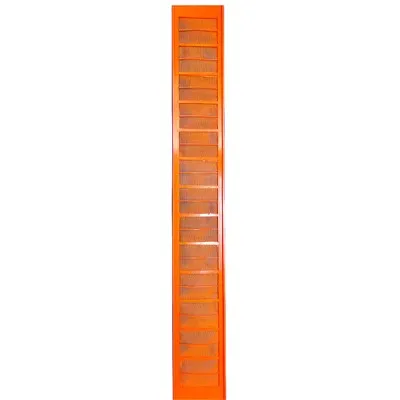
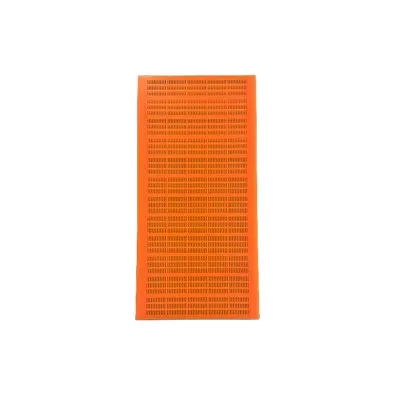
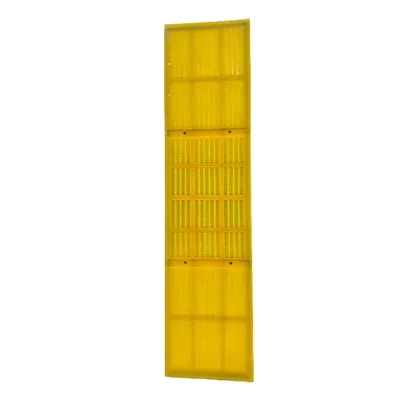
First off, let's understand what dewatering screen panels are and how they work. Dewatering screen panels are used to separate solids from liquids in a mixture. They're commonly used in industries like mining, wastewater treatment, and food processing. The panels have a series of openings or mesh that allow the liquid to pass through while retaining the solids. This process helps in reducing the moisture content of the solids, making them easier to handle and transport.
Now, the minimum dewatering time isn't a one-size-fits-all answer. It depends on several factors, including the type of material being dewatered, the size and shape of the particles, the moisture content of the material, and the design and specifications of the dewatering screen panels.
Let's start with the type of material. Different materials have different dewatering characteristics. For example, materials with a high clay content tend to be more difficult to dewater because the clay particles can clog the openings in the screen panels. On the other hand, materials with a high sand content are generally easier to dewater because the sand particles are larger and more porous, allowing the liquid to pass through more easily.
The size and shape of the particles also play a significant role. Smaller particles have a larger surface area, which means they can hold more moisture. This can increase the dewatering time. Similarly, irregularly shaped particles can cause more friction and resistance, making it harder for the liquid to flow through the screen panels.
The moisture content of the material is another important factor. If the material has a high moisture content, it will take longer to dewater. This is because there's more liquid that needs to be removed. In some cases, pre-treatment processes like flocculation or sedimentation may be used to reduce the moisture content before the material is fed into the dewatering screen panels.
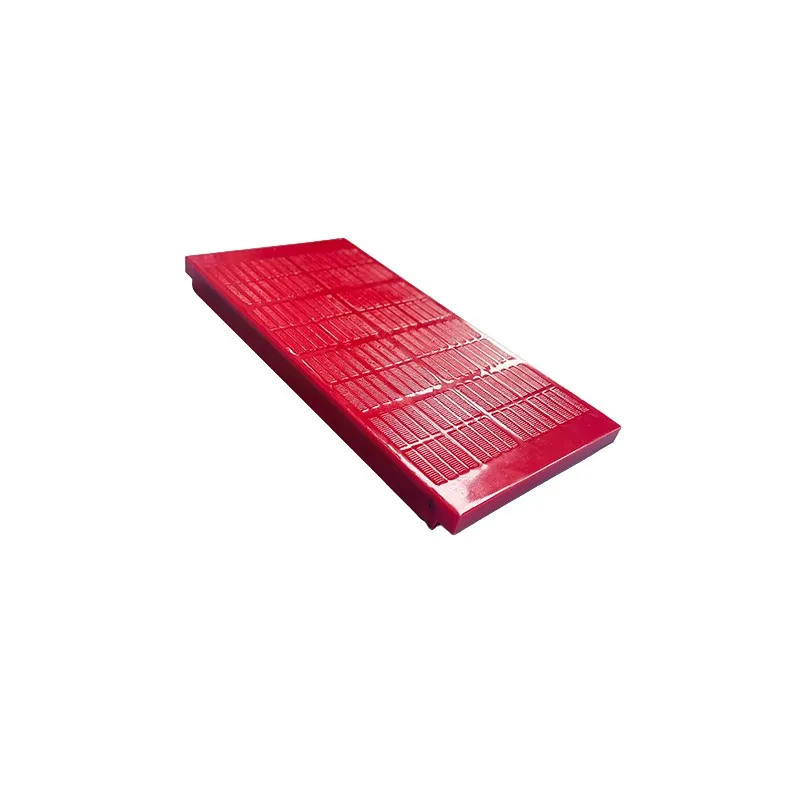
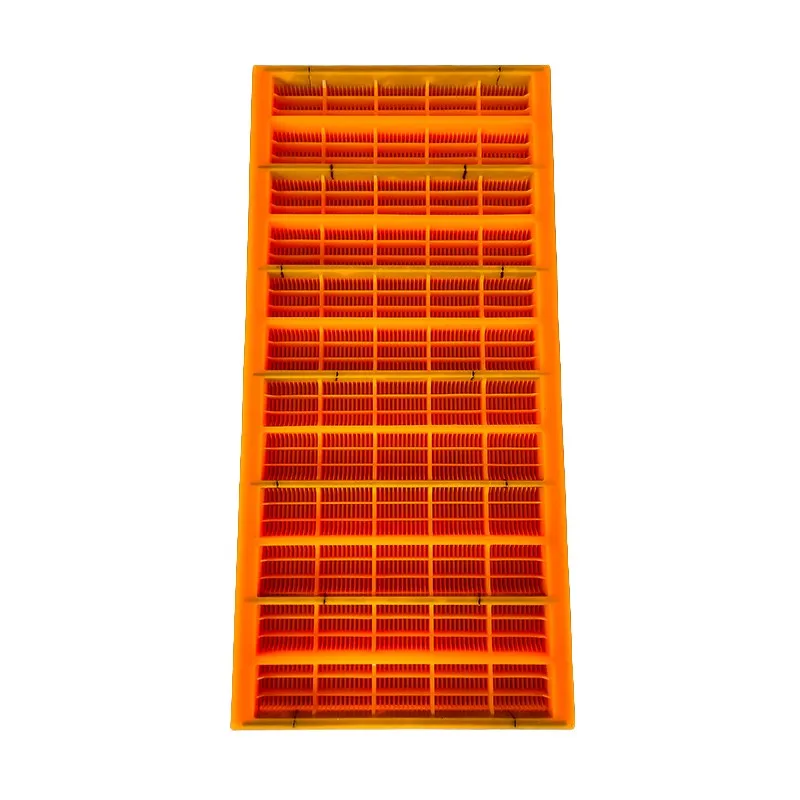
The design and specifications of the dewatering screen panels are also crucial. The size and shape of the openings in the panels, the type of material used to make the panels, and the angle of the panels can all affect the dewatering time. For example, panels with smaller openings may provide better separation but may also take longer to dewater because the liquid has to pass through smaller channels.
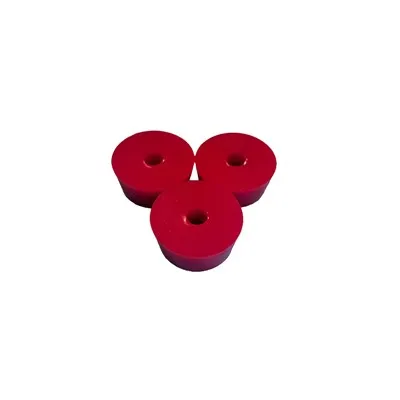
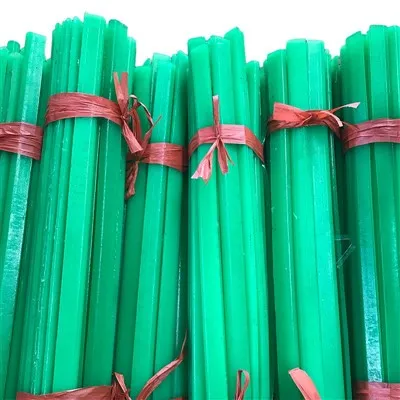
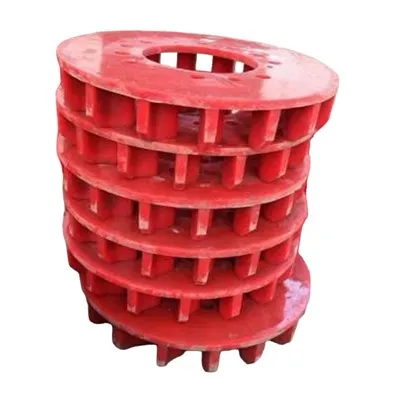
At our company, we offer a wide range of Dewatering Screen Panels that are designed to meet the specific needs of different industries. Our panels are made from high-quality materials like polyurethane, which offers excellent durability and resistance to wear and tear. We also offer Flip Flop Screen Mats, which are designed to provide a more efficient dewatering process by reducing the clogging of the screen panels.
In addition to our standard products, we also offer custom-made dewatering screen panels. Our team of experts can work with you to understand your specific requirements and design panels that are tailored to your needs. This can help in reducing the dewatering time and improving the overall efficiency of your dewatering process.
So, how can you determine the minimum dewatering time for your dewatering screen panels? The best way is to conduct a series of tests using your specific material and the dewatering screen panels you're considering. This will allow you to measure the dewatering time under different conditions and make adjustments as needed.
It's also important to note that the minimum dewatering time isn't the only factor to consider. You also need to consider the quality of the dewatered product, the throughput of the dewatering process, and the cost of the dewatering screen panels. By finding the right balance between these factors, you can ensure that you're getting the most out of your dewatering screen panels.
If you're in the market for Polyurethane Screen Panels For Mining or other types of dewatering screen panels, I encourage you to get in touch with us. Our team of experts can provide you with more information about our products and help you choose the right panels for your needs. We're committed to providing high-quality products and excellent customer service, and we're confident that we can help you improve the efficiency of your dewatering process.
In conclusion, the minimum dewatering time for dewatering screen panels depends on several factors, including the type of material, the size and shape of the particles, the moisture content of the material, and the design and specifications of the panels. By understanding these factors and conducting tests, you can determine the optimal dewatering time for your specific application. And if you need help with choosing the right dewatering screen panels, don't hesitate to contact us. We're here to help you make the most of your dewatering process.
References:
- "Dewatering Technology in the Mining Industry" - Journal of Mining Engineering
- "Polyurethane Screen Panels: Properties and Applications" - International Journal of Material Science