Hey there! As a supplier of polyurethane screen panels, I've gotten a lot of questions about how these bad boys perform in low - temperature environments. So, I thought I'd sit down and share some insights with you all.
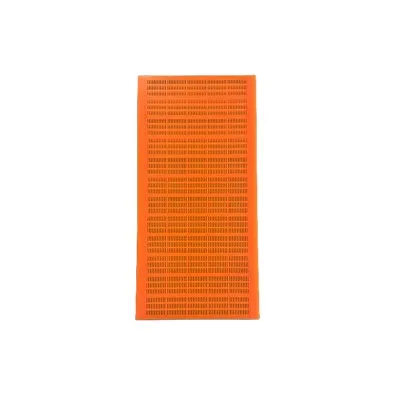
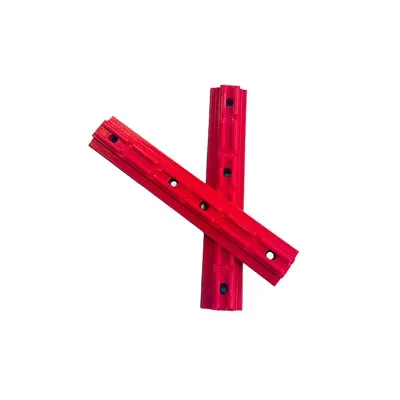
First off, let's talk a bit about what polyurethane screen panels are. They're made from a type of polymer that's known for its durability, flexibility, and resistance to wear and tear. We offer a variety of products, like Dewatering Screen Panels, Polyurethane Tension Screen, and Rail Mounted PU Screen. These panels are used in a bunch of industries, including mining, quarrying, and wastewater treatment.
Now, when it comes to low - temperature environments, things can get a bit tricky. Polyurethane, like any material, has its limits. At low temperatures, the physical properties of polyurethane can change, and this can affect how well the screen panels work.
One of the main things that happens to polyurethane at low temperatures is that it becomes more brittle. You know how rubber bands get stiff and break more easily when it's cold? Well, it's kind of the same deal with polyurethane. This brittleness can lead to cracks and fractures in the screen panels. If a panel cracks, it won't be able to do its job properly, and you might end up with a lot of downtime while you replace it.
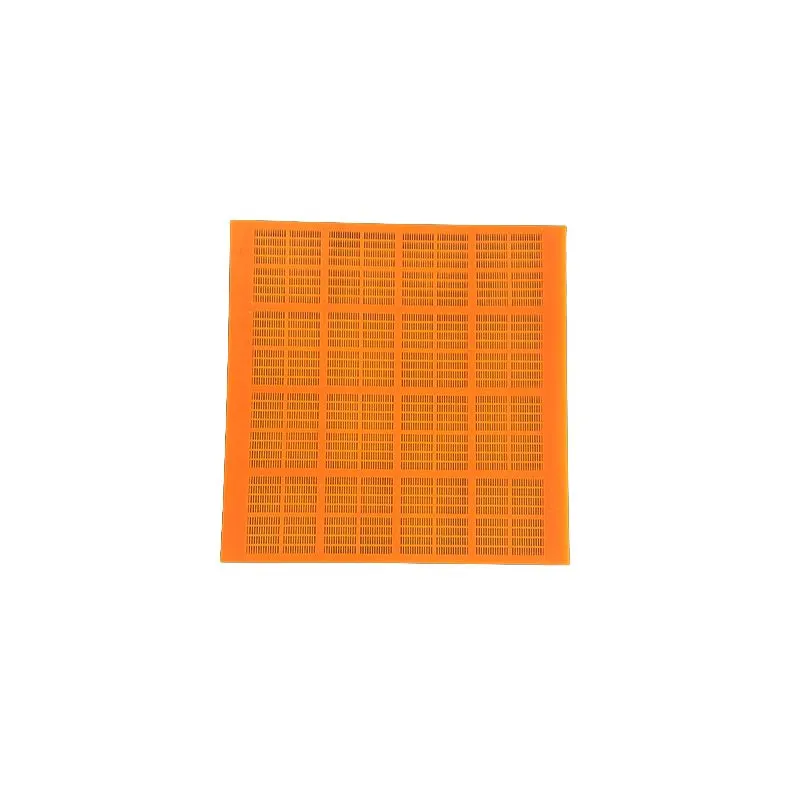
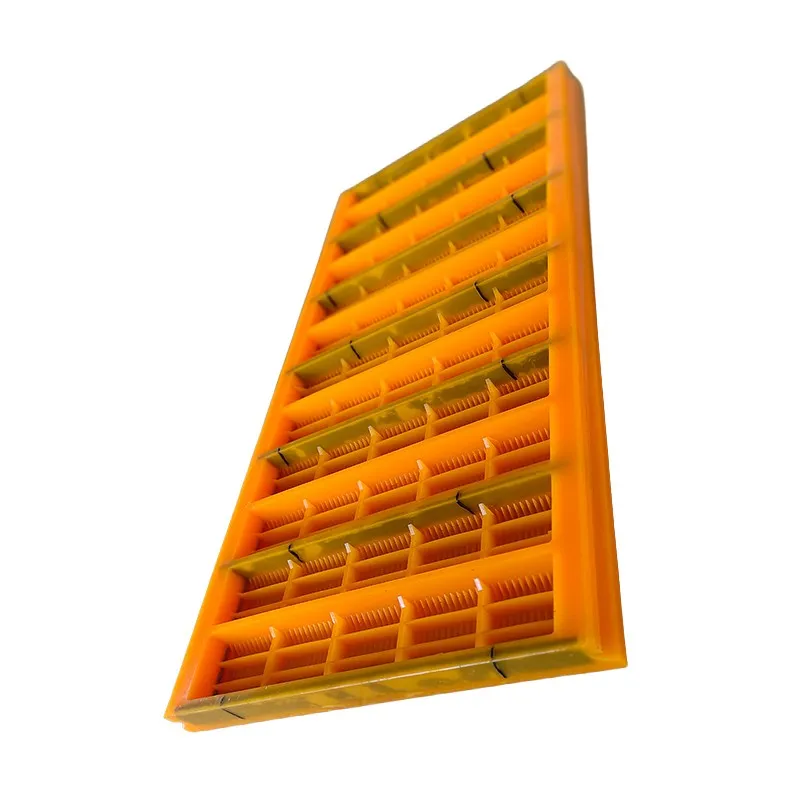
Another issue is that the flexibility of the polyurethane decreases. Screen panels need to be flexible to some extent so that they can vibrate and separate the materials being screened. When the temperature drops, the panels become less flexible, and this can reduce their screening efficiency. You might notice that the material isn't being separated as well as it should be, or that the panels aren't vibrating as freely.
But it's not all bad news. There are ways to make polyurethane screen panels perform better in low - temperature environments. One option is to use a special type of polyurethane that's formulated to be more resistant to cold. These cold - resistant polyurethanes have additives that help keep the material flexible and tough even in freezing temperatures.
We've done a lot of testing on our cold - resistant polyurethane screen panels. In one test, we exposed the panels to temperatures as low as - 20°C (- 4°F). Even after several hours at this low temperature, the panels showed only minimal signs of brittleness. They were still able to vibrate and screen materials effectively.
Another thing you can do is to insulate the screen panels. You can use insulation materials like foam or fiberglass to wrap around the panels. This helps to keep the panels warm and reduces the impact of the cold. It's like putting a warm coat on the panels!
We also recommend regular maintenance of the screen panels in low - temperature environments. Check the panels for any signs of damage, like cracks or wear. If you notice any issues, replace the panels as soon as possible. This will help to prevent more serious problems down the line.
In addition to the physical properties, low temperatures can also affect the installation of the screen panels. When it's cold, the materials can contract, and this can make it more difficult to install the panels correctly. Make sure to follow the installation instructions carefully and use the right tools. If you're not sure how to install the panels, don't hesitate to give us a call. We're here to help!
Now, let's talk about the benefits of using polyurethane screen panels in low - temperature environments, even with the challenges. One of the biggest advantages is their resistance to abrasion. Even in cold conditions, polyurethane is still much more resistant to wear and tear than other materials like steel. This means that the panels will last longer, and you'll save money on replacements.
Polyurethane screen panels are also lightweight. This makes them easier to handle and install, even in cold weather. You won't have to deal with the heavy lifting that comes with steel panels.
Another benefit is that polyurethane is a non - corrosive material. In low - temperature environments where moisture can be a problem, corrosion can be a big issue for steel panels. But with polyurethane, you don't have to worry about rust or other forms of corrosion.
So, if you're working in a low - temperature environment and you're in the market for screen panels, we've got you covered. Our polyurethane screen panels are designed to perform well in a variety of conditions, including cold weather. Whether you need Dewatering Screen Panels, Polyurethane Tension Screen, or Rail Mounted PU Screen, we can provide you with high - quality products.
If you're interested in learning more about our polyurethane screen panels or want to discuss your specific needs, don't hesitate to reach out. We're always happy to have a chat and help you find the right solution for your business.
References
- "Polymer Science and Technology" by Morton, M.
- "Handbook of Polyurethane Elastomers" by Saunders, J. H., & Frisch, K. C.