Installation and Inspection
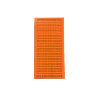
Pre-installation Inspection: Before installing the screen, carefully inspect the polyurethane screen for cracks, clogged holes, or residual foreign objects; ensure that the screen surface is smooth and exhibits good elasticity.
Installation Method: Depending on the specific screen machine model, use either fixing bolts or snap-in fasteners to securely fasten the screen to the screen frame. This prevents screen displacement or damage caused by looseness during the vibration process. During installation, ensure the screen is laid flat and free of wrinkles, and verify that the supporting frame is secure.
Pre-tension Adjustment: For screens equipped with elastic supports, adjust the pre-tension force in accordance with equipment specifications. This ensures that the screen maintains appropriate elasticity under vibration without becoming loose or dislodging.
Operation and Usage
No-load Test Run: Before commencing actual material screening, perform a no-load test run. Verify that the vibration direction, amplitude, and frequency are normal, and check for any abnormal noises or signs of looseness in the screen.
Material Feeding: Feed material should be distributed evenly to avoid overloading the screen surface with a single large batch, which could lead to clogging or excessive localized stress on the screen. For wet or sticky materials, a small amount of dry powder may be sprinkled over the material surface to reduce adhesion.
Vibration Parameter Adjustment: Adjust the vibration frequency, amplitude, and screen inclination angle based on the material properties and screening requirements. This ensures that the material bounces and rolls sufficiently across the screen surface, thereby enhancing both screening efficiency and accuracy.