Routine Cleaning and Inspection
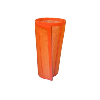
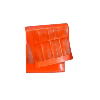
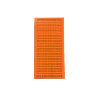
During operation, polyurethane slotted screen panels should be cleaned regularly-specifically the screen surface and slots-to prevent material clogging or adhesion, which can lead to a decline in screening efficiency. It is recommended to remove residual materials daily after shutting down the equipment using a soft brush, compressed air, or clean water. Under no circumstances should sharp or hard tools be used to scrape the surface, as this may scratch and damage the screen panels. After cleaning, carefully inspect the screen for any cracks, holes, or localized wear to ensure the integrity and uniform alignment of the slots. If minor wear is detected, promptly adjust the vibration parameters or replace the affected module locally to prevent the issue from escalating.
Vibration Equipment and Installation Inspection
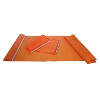
Screen maintenance involves not only focusing on the screen panels themselves but also regularly inspecting the vibrating components and installation status of the screening machine. Verify that the screen panels are securely fastened and that fasteners-such as bolts and clips-are neither loose nor damaged; additionally, ensure that the screen frame remains level and free of deformation. Inspect the exciters, motors, and spring supports to confirm they are functioning correctly, and ensure that the vibration frequency and amplitude are appropriately matched to the screen material and the specific material being screened, thereby preventing premature wear or breakage caused by improper vibration.
Long-Term Maintenance
To extend the service life of polyurethane slotted screen panels, a regular maintenance schedule should be established based on the characteristics of the material being screened and the intensity of production operations. Severely worn screen panels should be replaced promptly to prevent continued use from compromising screening accuracy. When not in use, screen panels should be stored in a dry, well-ventilated environment away from direct sunlight to prevent the polyurethane from aging, becoming brittle, or deforming. Furthermore, periodically rotating the use of different screen layers or modules can help distribute wear evenly, thereby further extending the overall service life and enhancing production efficiency.