Storage Environment Requirements
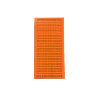
Polyurethane slotted screen panels should be stored in a dry, well-ventilated, and cool environment, away from direct sunlight and high-temperature conditions. Excessive heat or prolonged exposure to sunlight can cause the polyurethane to age, harden, or become brittle, thereby compromising the screen's elasticity and wear resistance. The storage area should be kept away from corrosive gases, acidic or alkaline liquids, and other chemicals to prevent chemical reactions or surface damage to the material.
Stacking Methods and Protective Measures
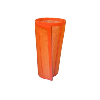
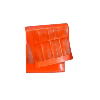
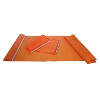
When storing the screens, they should be laid flat or positioned vertically to prevent deformation caused by prolonged mechanical stress. It is advisable to categorize and stack screens of different specifications separately; thicker screens should not be stacked directly on top of one another to excessive heights, as this may cause the screens at the bottom of the stack to deform under pressure. During storage, the screens may be covered with dust cloths or protective films to prevent dust, impurities, or moisture from accumulating on the screen surface and within the slots, thereby ensuring that the apertures remain clear and the surface remains smooth.
Periodic Inspection and Maintenance
Polyurethane slotted screen panels intended for long-term storage should undergo periodic inspections to check for any signs of cracking, deformation, or aging. If minor deformation is detected, the screen's positioning may be adjusted, or it may be gently heated to help restore its original shape. For screens that have remained unused for an extended period, it is recommended to perform a thorough cleaning and performance assessment prior to installation to ensure that their hardness, elasticity, and slot clearance meet production requirements, thereby guaranteeing optimal screening efficiency and service life.