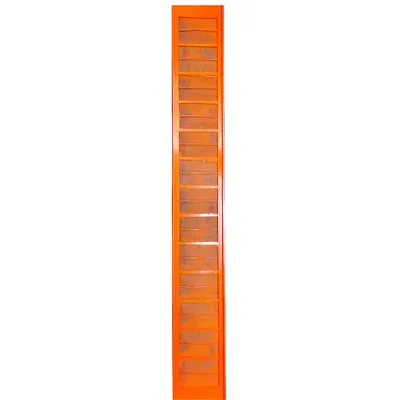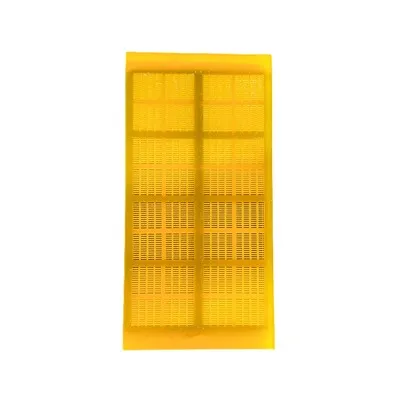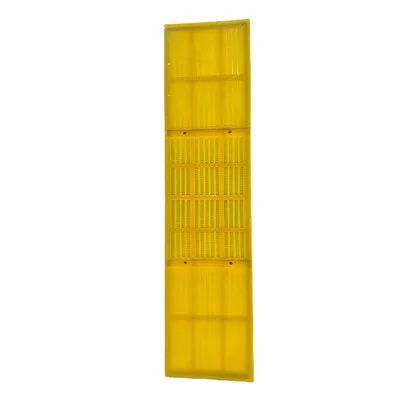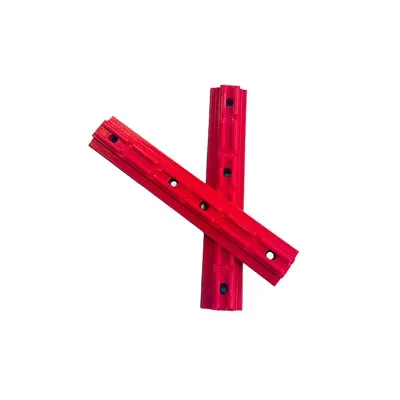
In the realm of industrial screening applications, the performance of sieve plates plays a pivotal role in determining the efficiency and effectiveness of the entire screening process. Among the various materials used for sieve plates, polyurethane has emerged as a popular choice due to its unique properties. As a leading supplier of Polyurethane Sieve Plate, I am often asked about the vibration performance of these sieve plates. In this blog, I will delve into the intricacies of the vibration performance of polyurethane sieve plates, exploring its importance, influencing factors, and how it compares to other materials.
The Importance of Vibration Performance in Screening
Vibration is the driving force behind the screening process. When a sieve plate is vibrated, it causes the material being screened to move across the surface of the plate, allowing smaller particles to pass through the openings while larger particles are retained. The optimal vibration performance ensures that the material is evenly distributed across the sieve plate, maximizing the screening efficiency and throughput. A sieve plate with poor vibration performance may result in uneven screening, clogging of the openings, and reduced productivity.
Key Aspects of Polyurethane Sieve Plate Vibration Performance
-
Resonance and Damping
- Polyurethane has excellent damping properties, which means it can absorb and dissipate energy more effectively than many other materials. When the sieve plate is vibrated, the polyurethane material can reduce the amplitude of the vibration at resonance frequencies, preventing excessive shaking and potential damage to the sieve plate and the screening equipment. This damping effect also helps to maintain a stable vibration state, ensuring consistent screening performance over time.
- At the same time, the resonance characteristics of polyurethane sieve plates can be engineered to match the operating frequency of the screening machine. By carefully selecting the material properties and design parameters of the sieve plate, we can ensure that it resonates at the optimal frequency, enhancing the screening efficiency.
-
Flexibility and Elasticity
- Polyurethane is a highly flexible and elastic material. This flexibility allows the sieve plate to conform to the shape of the vibrating frame and adapt to different vibration modes. When the sieve plate vibrates, the elastic deformation of the polyurethane material can help to dislodge any particles that may be stuck in the openings, reducing the likelihood of clogging.
- The elasticity of polyurethane also contributes to its ability to withstand repeated impacts and vibrations. Unlike rigid materials such as metal, which may crack or break under high - frequency vibrations, polyurethane can absorb the impact energy and return to its original shape, resulting in a longer service life.
-
Response to Different Vibration Frequencies
- Polyurethane sieve plates can operate effectively over a wide range of vibration frequencies. In low - frequency applications, the flexible nature of the polyurethane allows it to imitate the slow - moving motion of the material, ensuring that large particles are effectively separated. In high - frequency applications, the material's damping properties help to control the amplitude of the vibration, preventing excessive wear and tear.
Influencing Factors on the Vibration Performance of Polyurethane Sieve Plates
- Material Hardness
- The hardness of the polyurethane material used in the sieve plate can significantly affect its vibration performance. A harder polyurethane material will have a higher stiffness, which may result in a different resonance frequency and damping characteristics compared to a softer material. In general, harder materials are more suitable for applications where high - intensity vibrations and large - scale screening are required, while softer materials are better for applications where gentle screening and particle protection are important.
- Sieve Plate Design
- The design of the sieve plate, including the shape and size of the openings, the thickness of the plate, and the overall structure, can also influence its vibration performance. For example, a well - designed sieve plate with a uniform distribution of openings can ensure that the vibration is evenly transmitted across the surface of the plate, improving the screening efficiency. Additionally, the thickness of the plate can affect its flexibility and resonance properties, and careful consideration must be given to this parameter during the design process.
- Installation and Mounting
- The proper installation and mounting of the polyurethane sieve plate are crucial for achieving optimal vibration performance. If the sieve plate is not installed correctly, it may not vibrate evenly, leading to uneven screening and potentially causing damage to the plate. It is important to ensure that the sieve plate is securely fastened to the vibrating frame and that there is no excessive play or movement during operation.
Comparison with Other Materials
- Metal Sieve Plates
- Compared to metal sieve plates, polyurethane sieve plates have several advantages in terms of vibration performance. Metal sieve plates are generally more rigid, which means they may be more prone to cracking and breaking under high - frequency vibrations. In contrast, the flexibility and elasticity of polyurethane allow it to withstand repeated impacts and vibrations without significant damage.
- Additionally, metal sieve plates may require more energy to vibrate due to their higher mass, while polyurethane sieve plates can achieve similar screening results with less energy consumption.
- Rubber Sieve Plates
- While rubber sieve plates also have good damping properties, polyurethane sieve plates offer better wear resistance and higher tensile strength. This means that polyurethane sieve plates can maintain their vibration performance and screening efficiency for a longer period, even in harsh operating conditions.
Applications of Polyurethane Sieve Plates
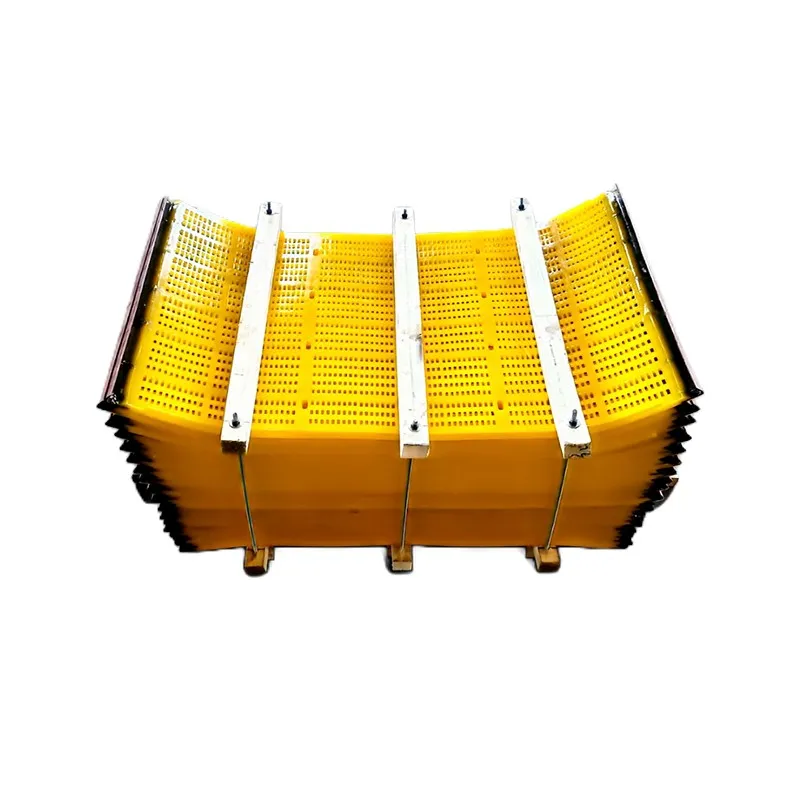
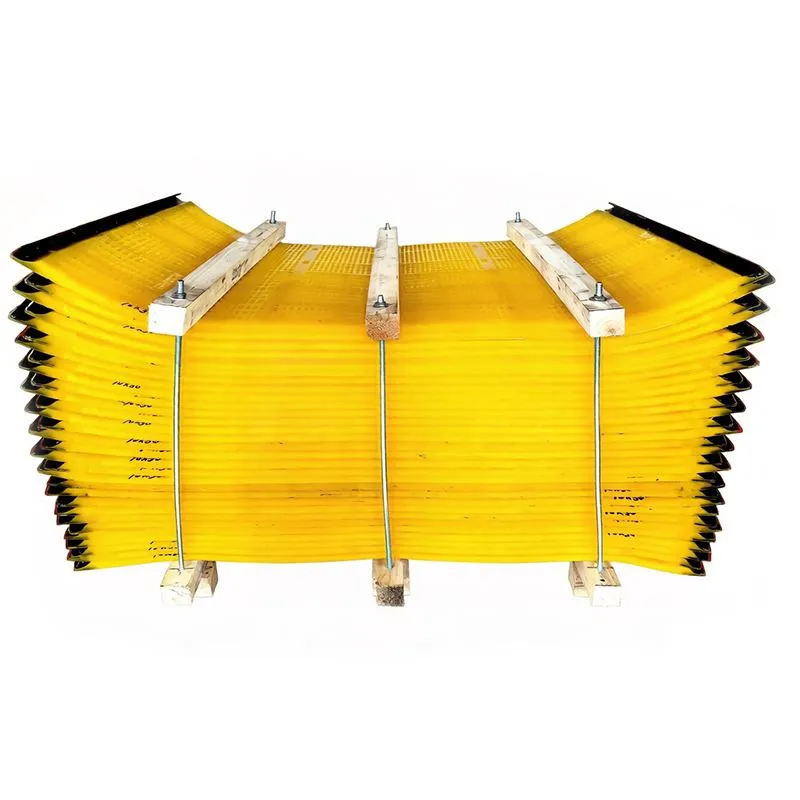
Polyurethane sieve plates are widely used in various industries, including mining, quarrying, chemical, and food processing. In the mining industry, for example, Polyurethane Tension Screens and Tensioned Polyurethane Screen are commonly used to separate different sized ores and minerals. The excellent vibration performance of polyurethane sieve plates ensures that the screening process is efficient and accurate, even when dealing with large volumes of material.
In the food processing industry, the flexibility and non - toxic nature of polyurethane make it an ideal material for sieve plates used in the screening of food products. The vibration performance of the sieve plates helps to ensure that the food particles are evenly screened, maintaining the quality and consistency of the final product.
Contact for Purchase and Consultation
If you are looking for high - quality polyurethane sieve plates with excellent vibration performance for your screening applications, we are here to help. Our team of experts can provide you with detailed information about our products, assist you in selecting the most suitable sieve plate for your specific needs, and offer professional advice on installation and maintenance. Contact us today to start a conversation about how our polyurethane sieve plates can enhance your screening process.
References
- Smith, J. (2020). "Advances in Polyurethane Materials for Industrial Screening". Journal of Industrial Materials, 15(2), 45 - 52.
- Johnson, A. (2021). "Vibration Analysis of Screening Equipment". International Journal of Mining and Processing, 22(3), 78 - 85.
- Brown, C. (2019). "Comparative Study of Different Sieve Plate Materials". Material Science Review, 12(4), 33 - 40.