Polyurethane woven mesh is a versatile material widely used in various industries, including mining, agriculture, and industrial manufacturing. One of the critical aspects that users often inquire about is how this type of mesh handles static electricity. As a polyurethane woven mesh supplier, understanding and addressing this issue is essential for providing high - quality products and meeting customer needs.
The Nature of Static Electricity in Polyurethane Woven Mesh
Static electricity is the result of an imbalance of electric charges within or on the surface of a material. When two materials come into contact and then separate, electrons can be transferred from one material to the other, creating a charge imbalance. In the case of polyurethane woven mesh, its interactions with different substances during normal use can lead to the generation of static electricity.
Polyurethane, by its nature, is an insulating material. This means that it does not conduct electricity well. When the mesh is in operation, such as in a vibrating screen where it rubs against the material being screened or in a conveyor system where it comes into contact with various objects, electrons can accumulate on the surface of the mesh. The non - conductive property of polyurethane allows these charges to remain static, leading to problems such as dust attraction, potential electrical shocks, and interference with sensitive electronic equipment in the vicinity.
Methods of Handling Static Electricity
1. Anti - Static Additives
One of the most common ways to handle static electricity in polyurethane woven mesh is by incorporating anti - static additives during the manufacturing process. These additives work by increasing the surface conductivity of the polyurethane. They can either be in the form of ionic compounds or conductive polymers.
Ionic compounds, such as quaternary ammonium salts, can dissociate in the polyurethane matrix and allow the movement of ions on the surface. This movement helps to dissipate the static charges more quickly. Conductive polymers, on the other hand, provide a pathway for the flow of electrons, effectively reducing the build - up of static electricity.
As a supplier, we have developed a range of polyurethane woven meshes with carefully selected anti - static additives. Our products undergo rigorous testing to ensure that the anti - static properties are consistent and meet industry standards.
2. Grounding
Grounding is a simple yet effective method to handle static electricity. By connecting the polyurethane woven mesh to a ground source, the static charges can be conducted away from the mesh. This is particularly important in industrial settings where the mesh is part of a larger system.
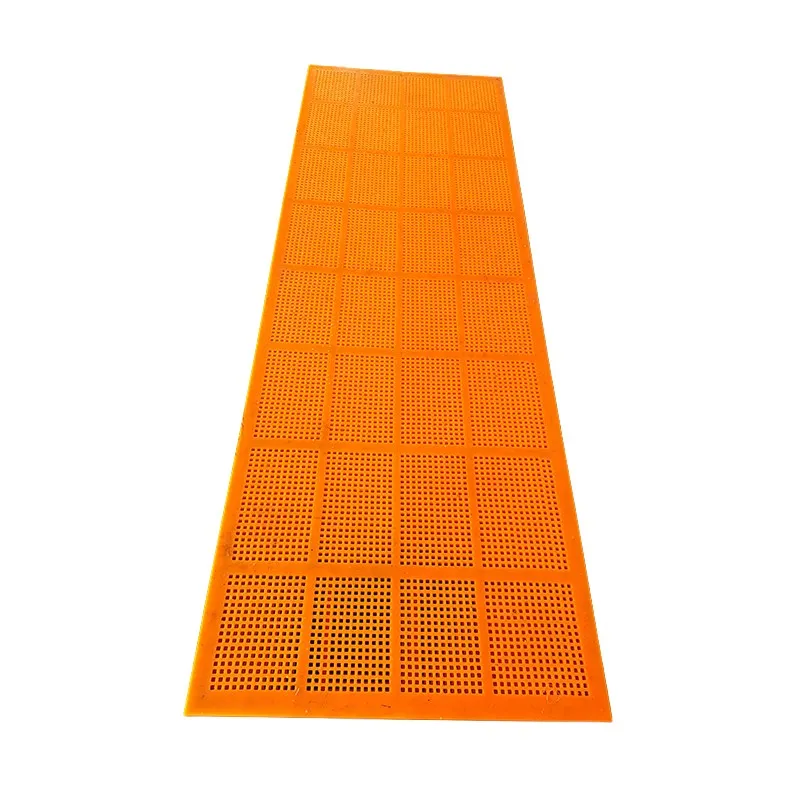
For example, in a Polyurethane Vibrating Screen, the frame of the screen can be grounded. The vibrations of the screen cause constant friction between the mesh and the material being screened, which can generate static electricity. Grounding the screen ensures that any static charges are safely discharged to the ground.
Our technical team can provide guidance on proper grounding methods for our customers. We also offer customized solutions to ensure that the grounding is efficient and safe.
3. Humidity Control
Humidity can play a significant role in reducing static electricity. In dry environments, the air has low conductivity, which allows static charges to accumulate more easily. By increasing the humidity in the working environment, the moisture in the air can help to conduct the static charges away from the polyurethane woven mesh.
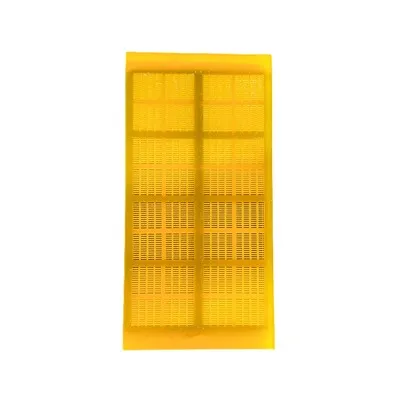
In some industrial applications, such as in mines where Polyurethane Ore Screens are used, humidity control systems can be installed. These systems can maintain a certain level of humidity, which reduces the build - up of static electricity on the mesh.
As a supplier, we can provide recommendations on the optimal humidity levels for different applications of our polyurethane woven mesh.
Impact of Static Electricity on Polyurethane Woven Mesh Applications
1. Dust Attraction
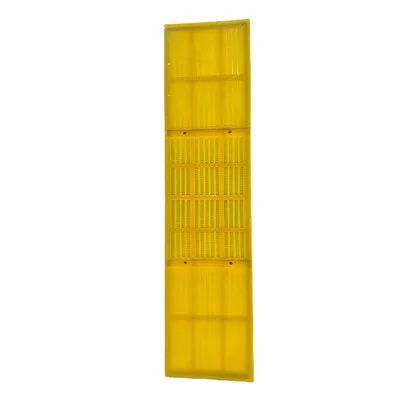
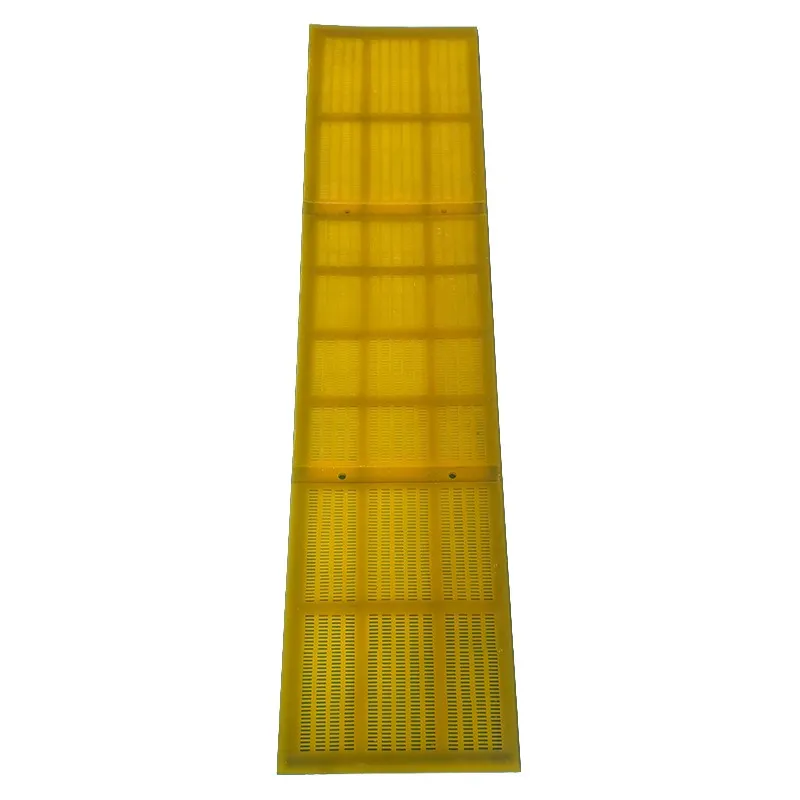
Static electricity can cause dust particles to be attracted to the surface of the polyurethane woven mesh. This can clog the mesh openings, reducing its screening efficiency. In mining applications, where Polyurethane Tension Screens are used to separate different sizes of ore particles, dust accumulation on the mesh can lead to inaccurate screening results and increased downtime for cleaning.
By effectively handling static electricity, we can minimize dust attraction and ensure that the mesh maintains its optimal performance.
2. Electrical Safety
In some industrial environments, the presence of static electricity on the polyurethane woven mesh can pose a safety risk. Electrical shocks can occur when workers come into contact with the charged mesh. In addition, static discharges can potentially ignite flammable substances in the vicinity.
Our anti - static solutions are designed to address these safety concerns. By reducing the static charge on the mesh, we can create a safer working environment for our customers.
3. Compatibility with Electronic Equipment
In modern industrial settings, many processes are controlled by electronic equipment. Static electricity on the polyurethane woven mesh can interfere with the operation of these electronic devices. For example, it can cause false readings or malfunctions in sensors.
Our products are engineered to minimize the impact of static electricity on electronic equipment. We ensure that the anti - static properties of our mesh are compatible with the electronic systems used in different applications.
Advantages of Our Polyurethane Woven Mesh in Static Electricity Handling
As a supplier, our polyurethane woven mesh offers several advantages in handling static electricity. Firstly, our use of high - quality anti - static additives ensures long - lasting performance. These additives are evenly distributed throughout the mesh, providing consistent anti - static properties.
Secondly, we offer customized solutions. We understand that different industries have different requirements for static electricity handling. Whether it is a high - humidity environment in a food processing plant or a dry, dusty environment in a mining operation, we can tailor our products to meet the specific needs of our customers.
Finally, our commitment to quality and safety means that our products undergo strict quality control measures. We test the anti - static properties of our mesh regularly to ensure that they meet or exceed industry standards.
Contact Us for Your Polyurethane Woven Mesh Needs
If you are in need of polyurethane woven mesh that effectively handles static electricity, we are here to help. Our team of experts can provide detailed information about our products and solutions. We can also offer technical support and advice on the best way to use our mesh in your specific application.
Whether you are looking for Polyurethane Tension Screens, Polyurethane Vibrating Screen, or Polyurethane Ore Screens, we have the right product for you. Contact us today to discuss your requirements and start a successful partnership.
References
- "Polymer Science and Technology" by Billmeyer, Fred W.
- "Static Electricity: From Ben Franklin to the 21st Century" by Gregory, P.