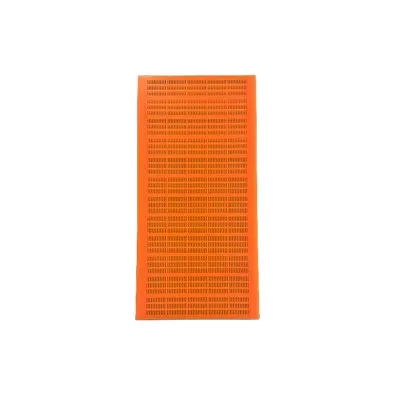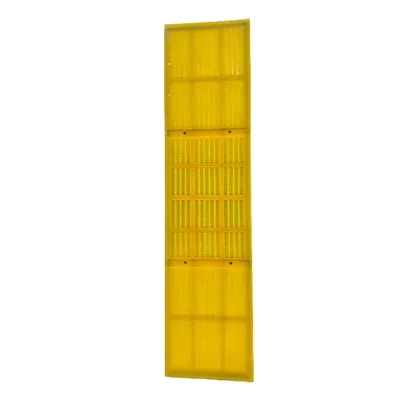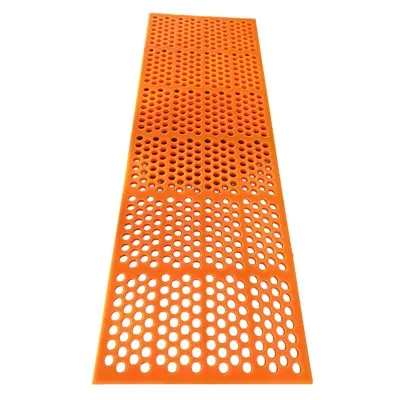
Yo, folks! As a supplier of Polyurethane Tension Screens, I've been getting tons of questions about the cost - effectiveness of these bad boys. So, I thought I'd sit down and break it all down for you.
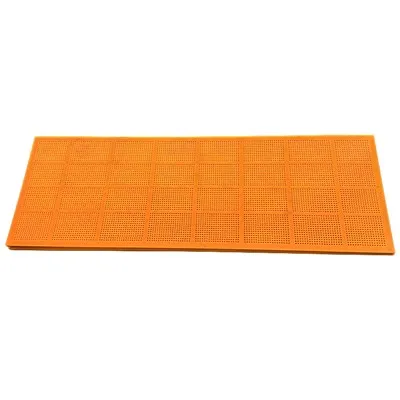
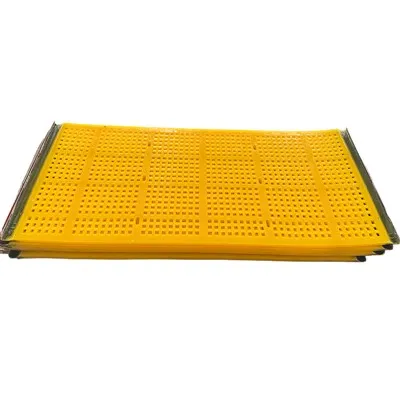
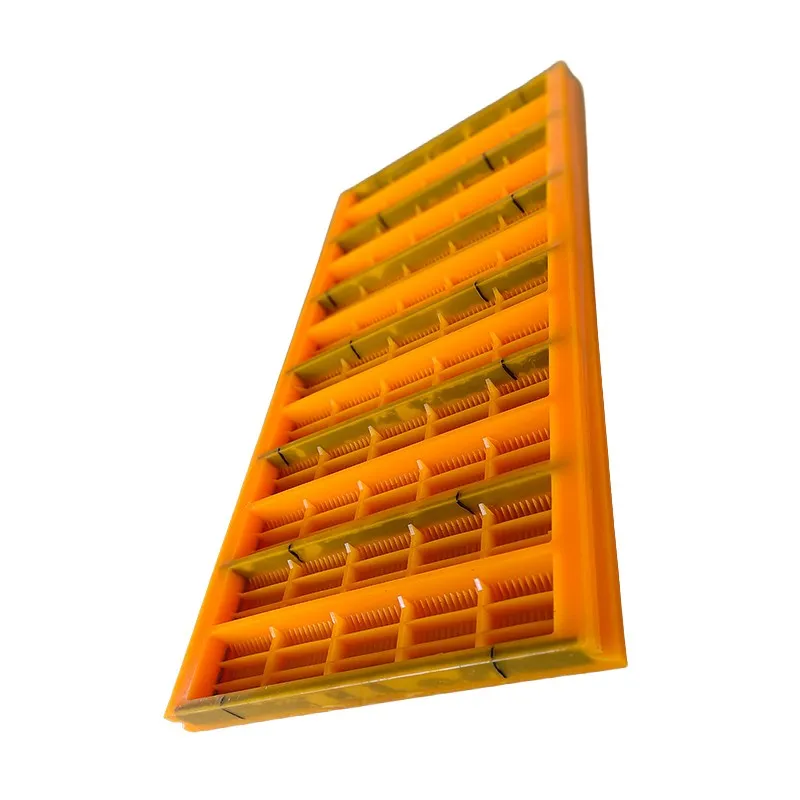
Let's start with what Polyurethane Tension Screens are. They're a type of screen made from polyurethane, a super - durable and flexible material. These screens are used in a whole bunch of industries, like mining, quarrying, and wastewater treatment. They're designed to separate different materials based on size, and they do it pretty darn well.
Initial Cost
When you're looking at buying Polyurethane Tension Screens, the first thing you'll notice is the price. Yeah, they might seem a bit more expensive upfront compared to some other types of screens, like those made of steel or rubber. But here's the thing: you get what you pay for.
Polyurethane is a high - quality material. It's resistant to wear and tear, which means it lasts a long time. So, even though you're shelling out more money at the beginning, you won't have to replace the screens as often as you would with cheaper alternatives.
Let's say you're running a mining operation. You've got two options: a steel screen that costs $500 and a Polyurethane Tension Screen that costs $800. The steel screen might need to be replaced every three months, while the Polyurethane Tension Screen can last up to a year. Over the course of a year, you'd end up spending $2000 on the steel screens ($500 x 4 replacements), but only $800 on the Polyurethane Tension Screen. That's a huge cost savings in the long run.
Operational Efficiency
Another big factor in cost - effectiveness is how well the screens work. Polyurethane Tension Screens are designed to have a high open area. This means that more material can pass through the screen at once, which speeds up the screening process.
In industries where time is money, like mining and quarrying, this increased efficiency can translate into significant savings. You can process more material in less time, which means you can increase your production output without having to invest in more equipment or labor.
Plus, these screens are great at reducing blinding and pegging. Blinding is when the screen openings get clogged with material, and pegging is when small particles get stuck in the openings. Polyurethane Tension Screens have a smooth surface that helps prevent these issues, so you don't have to stop production to clean the screens as often.
Maintenance Costs
Maintenance is a major expense in any industry. With Polyurethane Tension Screens, you'll find that the maintenance costs are pretty low. Since they're made of a durable material, they don't break or wear out easily.
You won't have to worry about things like rusting, which is a common problem with steel screens. And because they're flexible, they can absorb shocks and vibrations better than rigid screens, which means less stress on the screen and fewer repairs.
In addition, replacing a Polyurethane Tension Screen is usually a pretty straightforward process. You don't need a whole team of experts to do it, and you can get the screen up and running again quickly, minimizing downtime.
Environmental Impact
Now, let's talk about the environmental side of things. Polyurethane is a recyclable material, which means that at the end of its life, the screen can be recycled and used to make new products. This is a big plus for companies that are looking to reduce their environmental footprint.
Using Polyurethane Tension Screens can also help reduce energy consumption. Since they're more efficient at screening, you can use less energy to process the same amount of material. This not only saves you money on your energy bills but also helps the environment.
Comparing with Other Screens
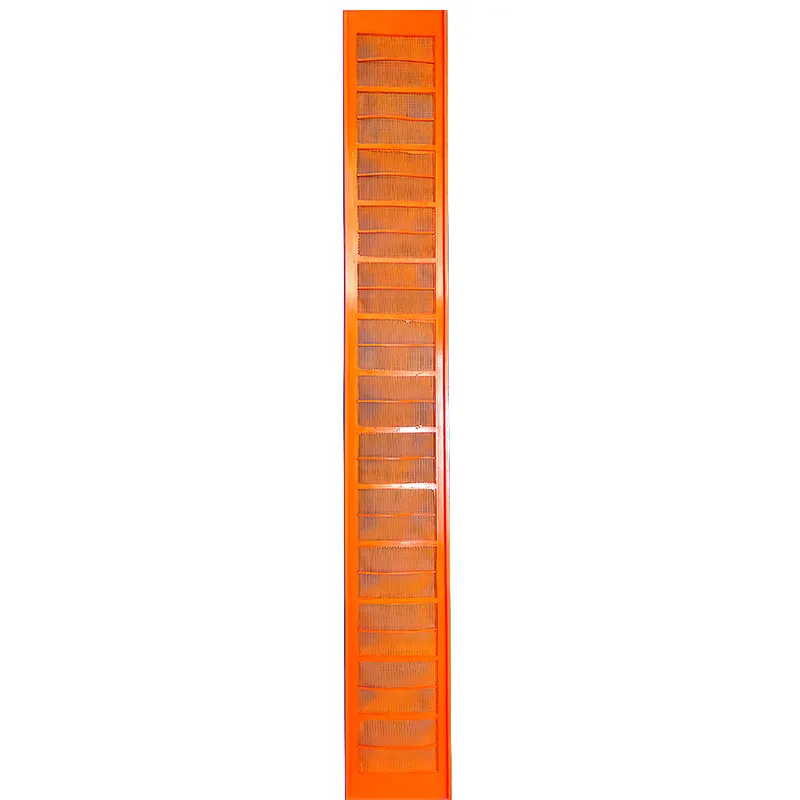
There are other types of screens out there, like Dewatering Screen Panels, Rail Mounted PU Screen, and Flip Flow Screen Mats. Each of these has its own advantages, but when it comes to cost - effectiveness, Polyurethane Tension Screens often come out on top.
Dewatering Screen Panels are great for removing water from materials, but they might not be as durable as Polyurethane Tension Screens. Rail Mounted PU Screens are easy to install and remove, but they might not have the same level of efficiency. Flip Flow Screen Mats are good for screening sticky materials, but they can be more expensive to maintain.
Conclusion
So, to sum it all up, Polyurethane Tension Screens are a cost - effective choice for a lot of industries. They might cost a bit more upfront, but the long - term savings in terms of replacement costs, operational efficiency, and maintenance make them a great investment.
If you're in the market for a new screening solution, I highly recommend giving Polyurethane Tension Screens a try. They're durable, efficient, and environmentally friendly. And if you've got any questions or want to talk about a specific application, don't hesitate to reach out. We're here to help you make the best decision for your business.
References
- "Polyurethane Materials in Industrial Screening Applications" - Journal of Industrial Materials
- "Cost - Benefit Analysis of Different Screening Technologies" - Mining and Quarrying Research Report