Pipe elbows are crucial components in piping systems, especially in industries where the flow of fluids or solids is involved. They change the direction of the flow, and this change in direction can cause significant issues if not properly managed. That's where pipe elbow lining comes in. As a pipe elbow lining supplier, I've seen firsthand how this technology can revolutionize pipe efficiency.
Understanding Pipe Elbow Lining
Pipe elbow lining is the process of applying a protective layer to the inner surface of pipe elbows. This lining can be made from various materials, such as rubber, ceramic, or polyurethane, each with its own set of properties and benefits. The primary goal of lining is to reduce wear and tear, corrosion, and erosion, which are common problems in pipe elbows due to the high - velocity flow and the change in direction.
When fluids or solids flow through a pipe elbow, they create a lot of turbulence. This turbulence causes the fluid or solid particles to impact the inner wall of the elbow, leading to abrasion. Over time, this abrasion can cause the pipe to thin out, which not only reduces its lifespan but also increases the risk of leaks and failures. A well - designed pipe elbow lining acts as a buffer between the flowing medium and the pipe wall, minimizing the direct impact and thus reducing wear.
How Pipe Elbow Lining Improves Pipe Efficiency
Reducing Friction
One of the key ways pipe elbow lining improves efficiency is by reducing friction. When a fluid or solid flows through a pipe, friction between the flowing medium and the pipe wall can slow down the flow. This requires more energy to maintain the desired flow rate, which increases operational costs. A smooth - surfaced lining, like a rubber or polyurethane lining, can significantly reduce the friction coefficient. As a result, the fluid or solid can flow more freely through the elbow, requiring less energy to pump.
For example, in a mining operation where slurry is being transported through pipes, the presence of a high - quality lining in the pipe elbows can reduce the pumping power required. This not only saves energy but also reduces the wear on the pumps, leading to lower maintenance costs.
Preventing Corrosion
Corrosion is another major issue in piping systems, especially in industries where the fluid being transported is corrosive. Pipe elbow lining can provide a barrier between the pipe wall and the corrosive medium. For instance, a ceramic lining is highly resistant to chemical corrosion. By preventing corrosion, the lining helps to maintain the integrity of the pipe elbow. A corroded pipe can have reduced flow capacity due to the build - up of rust and other corrosion products. This can lead to blockages and inefficiencies in the system. With a proper lining, the pipe elbow can maintain its original shape and size, ensuring a smooth and efficient flow.
Minimizing Erosion
Erosion is a common problem in pipes carrying abrasive materials, such as sand or gravel. The high - velocity flow of these materials can cause the inner wall of the pipe elbow to wear away quickly. A lining made of a wear - resistant material, like ceramic, can withstand the impact of these abrasive particles. This not only extends the lifespan of the pipe elbow but also ensures that the flow remains unobstructed.
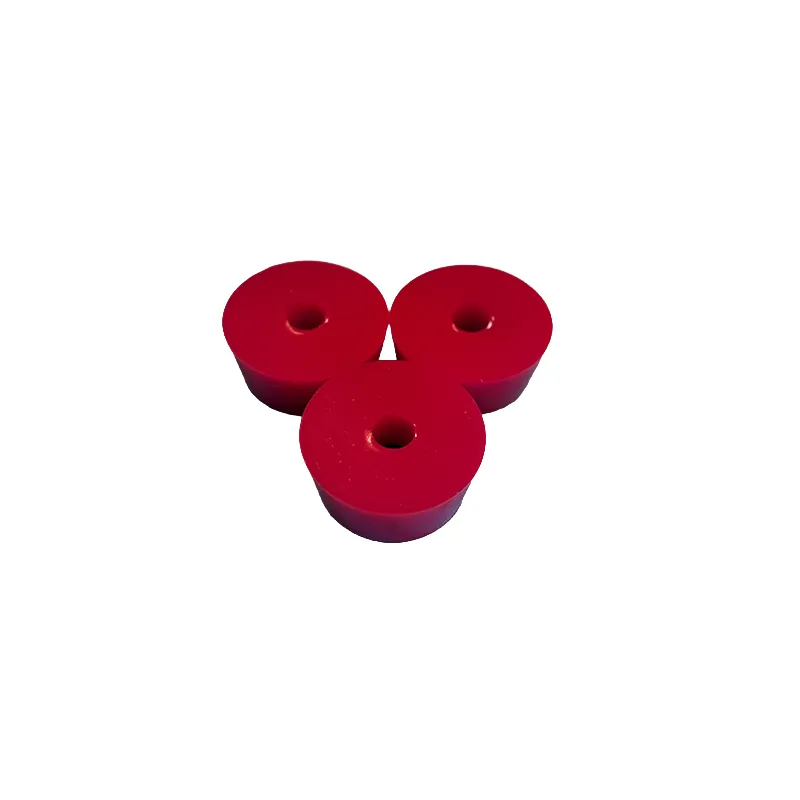
In a sand - washing plant, for example, the pipes that carry sand are subject to severe erosion. By using a Sand Washer Blade - compatible pipe elbow lining, the erosion can be minimized. This allows the sand to flow through the pipes more efficiently, reducing the need for frequent pipe replacements.
Improving Flow Distribution
Pipe elbow lining can also improve the flow distribution within the pipe. When the flow changes direction at an elbow, it can create uneven flow patterns. This can lead to areas of high - velocity flow and areas of low - velocity flow, which can cause inefficiencies in the system. A well - designed lining can help to smooth out these flow patterns, ensuring a more uniform flow throughout the pipe. This is particularly important in applications where precise flow control is required, such as in chemical processing plants.
Real - World Applications
Let's take a look at some real - world applications where pipe elbow lining has made a significant difference.
In the oil and gas industry, pipes are used to transport crude oil, natural gas, and various chemicals. These fluids can be highly corrosive and abrasive. Pipe elbow lining helps to protect the pipes from corrosion and erosion, ensuring a reliable and efficient flow. For example, in offshore oil platforms, where the pipes are exposed to harsh marine environments, a ceramic or rubber lining can extend the lifespan of the pipe elbows and reduce maintenance costs.
In the power generation industry, pipes are used to transport steam, water, and coal ash. The high - temperature and high - pressure conditions in power plants can cause significant wear and tear on the pipes. A lining can protect the pipe elbows from these extreme conditions, improving the overall efficiency of the power generation process.
In the cement industry, pipes are used to transport cement powder and other raw materials. The abrasive nature of these materials can cause rapid wear on the pipe elbows. By using a wear - resistant lining, the pipes can operate more efficiently, reducing downtime and maintenance costs.
Other Wear - Resistant Products
In addition to pipe elbow lining, there are other wear - resistant products that can complement the efficiency of the piping system. For example, Bolt Protection Cap can protect bolts from corrosion and wear, ensuring the structural integrity of the piping system. Screen Deck Clamp Strip can be used in screening applications to prevent wear and ensure a smooth operation.
Conclusion
Pipe elbow lining is a game - changer when it comes to improving pipe efficiency. It reduces friction, prevents corrosion and erosion, and improves flow distribution. By investing in high - quality pipe elbow lining, industries can save energy, reduce maintenance costs, and increase the lifespan of their piping systems.
If you're interested in improving the efficiency of your piping system, don't hesitate to reach out. As a pipe elbow lining supplier, I'm here to help you find the best solution for your specific needs. Whether you're in the mining, oil and gas, power generation, or any other industry, we have the expertise and products to meet your requirements. Contact us today to start a discussion about how pipe elbow lining can transform your operations.
References
- Smith, J. (2018). "Advances in Pipe Lining Technology". Journal of Industrial Piping.
- Johnson, R. (2019). "The Impact of Pipe Elbow Lining on Flow Efficiency". Proceedings of the International Piping Conference.
- Brown, A. (2020). "Wear - Resistant Materials for Piping Systems". Materials Science Review.