Dimensions and Specifications
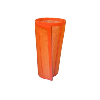
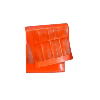
The dimensions of polyurethane slotted screen panels primarily encompass the length, width, and thickness of the screening surface. The length and width are typically customized according to the specific model of the screening machine to ensure a perfect fit with the machine's frame; common size ranges vary from 500 mm × 500 mm to 3000 mm × 1500 mm. The thickness generally falls between 10 mm and 30 mm and is selected based on the particle size of the material being processed and the vibration intensity of the machine. Thicker screen panels offer superior wear resistance and load-bearing capacity, though they also result in increased load on the screening machine. The slot width typically ranges from 1 mm to 20 mm and is designed according to the material's particle size and the required screening precision; the slots are arranged with uniform spacing to ensure consistent and efficient screening performance.
Materials and Hardness Standards
Polyurethane slotted screen panels are primarily manufactured using high-performance polymeric polyurethane materials, with a hardness typically ranging from Shore A 65 to 95 to accommodate the diverse screening requirements of various materials. High-hardness screens are suitable for highly abrasive materials such as ores and aggregates; medium-hardness screens are ideal for chemical powders and plastic granules; while low-hardness screens are best suited for wet, agglomerating, or fragile materials. Furthermore, the polyurethane material must meet specific requirements regarding wear resistance, corrosion resistance, and elasticity to ensure the screen panel maintains long-term stability and reliable performance under high-frequency vibration.
Slot Patterns and Modular Specifications
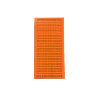
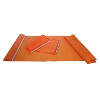
The standards regarding the slot patterns of these screen panels primarily define the slot width, length, and spatial arrangement. The slot design can feature either short or long slots, and their orientation is typically aligned with the direction of material flow to enhance screening efficiency and prevent clogging. For large-scale screening machines, a segmented modular design is often employed; each module is manufactured to standardized dimensions, facilitating easy replacement and maintenance. This modular design also allows for the replacement of individual modules based on localized wear patterns, thereby extending the overall service life of the screen panel while simultaneously ensuring screening precision and uninterrupted production.