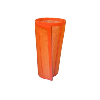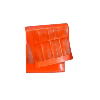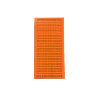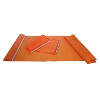
Before installing a polyurethane high-frequency screen, a comprehensive inspection of both the screen and the screening machine is mandatory. First, remove the screen and carefully inspect its surface for cracks, clogged apertures, or deformation, ensuring that every mesh opening is intact and uniform. Next, inspect the screening machine's frame, support plates, and fasteners-such as bolts and clips-to confirm that there is no damage or looseness. Simultaneously, clean any dust, residual material, or impurities from the surface of the screen frame to ensure the mounting surface is flat and clean. If necessary, use compressed air or a dry cloth for cleaning to guarantee that the screen fits snugly against the frame, thereby enhancing operational stability and service life.
Once the inspection is complete, lay the screen flat onto the screen frame, ensuring that the orientation of the mesh openings and any surface markings align with the operational requirements of the screening machine. For multi-layer or segmented screens, installation should proceed sequentially from top to bottom, following the designated material screening order, to prevent any mix-up of mesh sizes that could compromise screening efficiency. After laying the screen in place, secure it uniformly using bolts, clips, or specialized fasteners; begin by securing one side, then gradually proceed to the other, ensuring the screen is tensioned evenly and remains free of wrinkles. For screens equipped with elastic supports, the preload tension should also be adjusted in accordance with the equipment's specifications to ensure the screen maintains its elasticity-without becoming loose or shifting-during high-frequency vibration.
Upon completion of the screen installation, conduct a no-load test run to verify that the screen operates smoothly under vibration, free from any abnormal noises or lateral displacement. At this stage, the vibration frequency, amplitude, and screen deck inclination can be adjusted based on the specific characteristics of the material being processed to ensure uniform vibration and optimal screening efficiency. Only after confirming that the screen is securely fastened and the vibration is functioning normally should the actual material feeding process begin. Furthermore, operators must wear appropriate personal protective equipment-such as gloves and safety goggles-to prevent accidents during operation and inspection procedures. As a final check before feeding material, verify that the screen surface remains flat and that all mesh openings are unobstructed to ensure a screening process that is efficient, safe, and continuous.