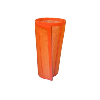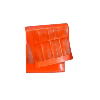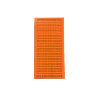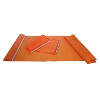
Polyurethane high-frequency screen meshes are widely utilized in the mining and mineral processing industries, primarily for the classification and fine screening of ores. For instance, ores such as iron ore, copper ore, and gold ore require precise classification via high-frequency screens following the crushing process to separate ore particles of varying grain sizes.
In the building materials industry, polyurethane high-frequency screen meshes are frequently employed for the screening and classification of raw materials such as sand and gravel, cement powder, and ceramsite. During the screening process, the polyurethane material effectively resists the abrasive wear caused by sand and gravel while simultaneously minimizing powder adhesion, thereby ensuring that the screen apertures remain unobstructed. In the chemical industry, these screens are utilized for the precise classification of chemical powders, plastic granules, fertilizers, and similar materials.
Polyurethane high-frequency screen meshes also play a pivotal role in the food processing and environmental protection sectors. For example, the screening of food powders-including grains, starch, seasonings, and powdered sugar-demands screen meshes that possess hygienic properties, wear resistance, and ease of cleaning. The smooth surface and elastic structure of polyurethane screens effectively prevent material adhesion and aperture clogging; furthermore, under the influence of the high-frequency vibrations generated by the screening machinery, they ensure rapid material classification and enhance overall production efficiency.