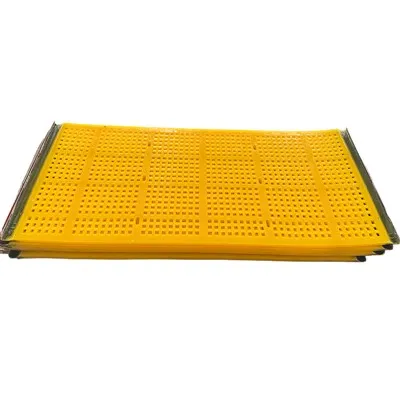
Can a PU Screen Mesh be Used in Agricultural Applications?
As a leading supplier of PU screen mesh, I've often been asked about the potential uses of our products in the agricultural sector. Polyurethane (PU) screen mesh is a versatile material that has gained popularity in various industries due to its excellent properties. In this blog post, I'll explore whether a PU screen mesh can be effectively used in agricultural applications and discuss its advantages and limitations.
Properties of PU Screen Mesh
PU screen mesh is made from polyurethane, a synthetic polymer known for its high abrasion resistance, flexibility, and durability. These properties make it an ideal material for applications where the screen is exposed to harsh conditions and heavy wear. Additionally, PU screen mesh is resistant to chemicals, oils, and UV radiation, which further enhances its longevity in outdoor environments.
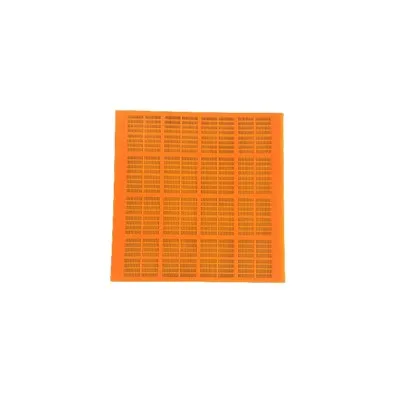
One of the key advantages of PU screen mesh is its ability to self - clean. This is particularly useful in applications where the screen is likely to become clogged with debris. The self - cleaning property ensures that the screen maintains its efficiency over time, reducing the need for frequent maintenance and cleaning. You can learn more about Polyurethane Self Cleaning Screens on our website.
Potential Agricultural Applications
Grain Separation and Screening
In the agricultural industry, one of the primary applications of screens is in the separation and screening of grains. PU screen mesh can be used to separate different sizes of grains, remove impurities such as dirt, stones, and chaff, and ensure a high - quality end product. The high abrasion resistance of the PU screen mesh allows it to withstand the constant flow of grains, and its flexibility ensures that it can adapt to different screening equipment.
Livestock Farming
In livestock farming, PU screen mesh can be used in a variety of ways. For example, it can be used as a flooring material in animal pens and barns. The mesh provides good traction for animals, reducing the risk of slips and falls. It also allows for better drainage of urine and manure, improving the hygiene conditions in the livestock facilities. Additionally, PU screen mesh can be used to create partitions and enclosures, providing a safe and comfortable environment for the animals.
Irrigation Systems
In irrigation systems, PU screen mesh can be used as a filter to remove sediment, debris, and other contaminants from the water supply. The fine mesh size of the screen ensures that only clean water passes through, preventing clogging of the irrigation nozzles and pipes. The chemical resistance of the PU screen mesh makes it suitable for use in different types of water sources, including those with high levels of minerals or chemicals.

Greenhouse Applications
In greenhouses, PU screen mesh can be used to control the entry of insects and pests. The fine mesh can prevent small insects from entering the greenhouse, reducing the need for chemical pesticides. It can also be used to provide shade and ventilation, creating an optimal growing environment for plants.
Advantages of Using PU Screen Mesh in Agriculture
Durability
As mentioned earlier, PU screen mesh is highly durable and resistant to abrasion, chemicals, and UV radiation. This means that it can last for a long time in agricultural environments, reducing the need for frequent replacements. The long - term durability of the screen mesh also makes it a cost - effective solution in the long run.
Flexibility
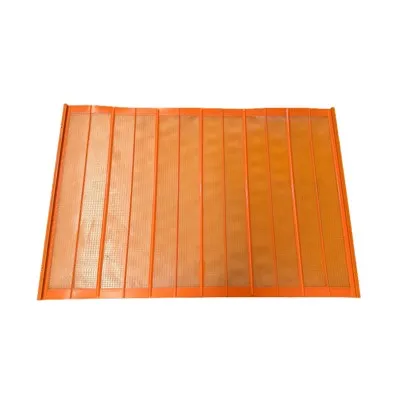
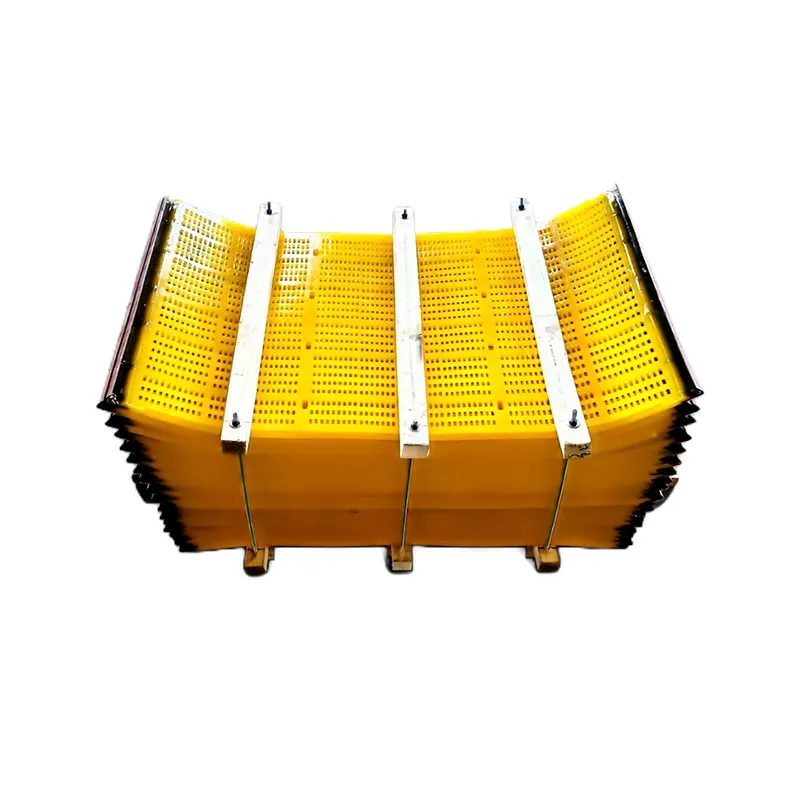
The flexibility of PU screen mesh allows it to be easily installed in different types of screening equipment and agricultural structures. It can be cut to size and shaped to fit specific requirements, making it a versatile choice for various applications. For example, our Tensioned Polyurethane Screen can be easily tensioned and installed in different screening machines.
Self - Cleaning
The self - cleaning property of PU screen mesh is a significant advantage in agricultural applications. In grain screening, for example, the screen can quickly remove the trapped debris, ensuring a continuous and efficient screening process. This reduces the downtime of the screening equipment and increases the overall productivity.
Limitations
Cost
One of the main limitations of using PU screen mesh in agriculture is its cost. Compared to traditional screening materials such as metal or nylon, PU screen mesh is generally more expensive. However, it's important to consider the long - term benefits, such as durability and reduced maintenance costs, when evaluating the cost - effectiveness of the material.
Temperature Sensitivity
PU screen mesh can be sensitive to extreme temperatures. In very high or very low temperatures, the physical properties of the polyurethane may change, which could affect the performance of the screen mesh. Therefore, it's important to choose the appropriate type of PU screen mesh based on the temperature conditions of the agricultural application.
Conclusion
In conclusion, PU screen mesh can be effectively used in a wide range of agricultural applications. Its excellent properties, such as durability, flexibility, and self - cleaning ability, make it a suitable choice for grain separation, livestock farming, irrigation systems, and greenhouse applications. While there are some limitations, such as cost and temperature sensitivity, the benefits of using PU screen mesh often outweigh the drawbacks.
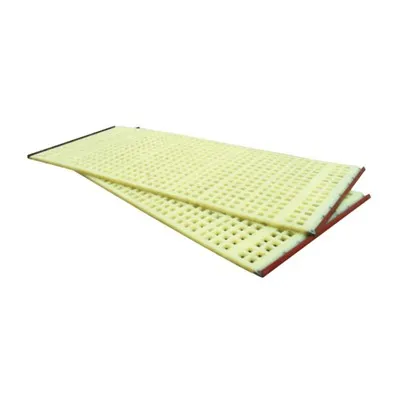
If you're interested in exploring the use of PU screen mesh in your agricultural operations, we'd be happy to discuss your specific requirements. Our team of experts can provide you with detailed information about our products, including Polyurethane Sieve Plate, and help you choose the most suitable solution for your needs. Contact us today to start a conversation about how our PU screen mesh can enhance your agricultural processes.
References
- "Polyurethane Materials in Industrial Applications", Industrial Polymer Journal, 20XX
- "Advances in Agricultural Screening Technologies", Agricultural Engineering Review, 20XX
- "The Use of Synthetic Materials in Livestock Facilities", Livestock Science Journal, 20XX