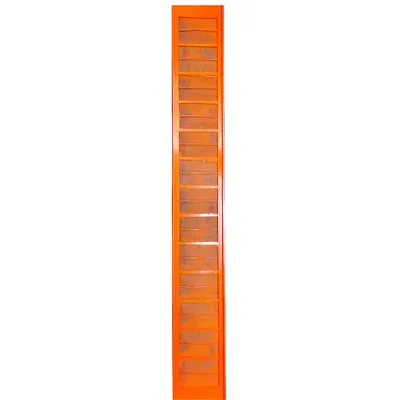
As a supplier of Flip Flop Screen Mats, I often get asked about their compatibility with screen cleaners. This is a crucial question for many industries that rely on efficient screening processes, such as mining, aggregate, and recycling. In this blog post, I'll delve into the science behind Flip Flop Screen Mats and screen cleaners, exploring whether they can work together harmoniously.
Understanding Flip Flop Screen Mats
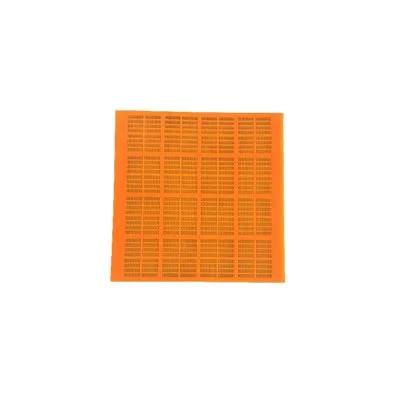
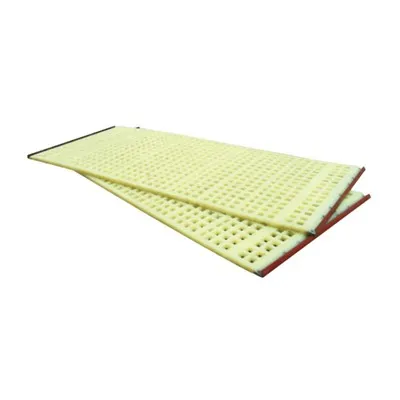
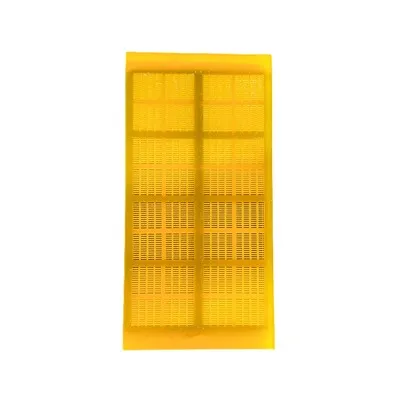
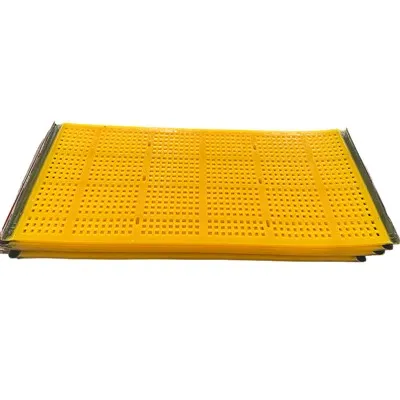
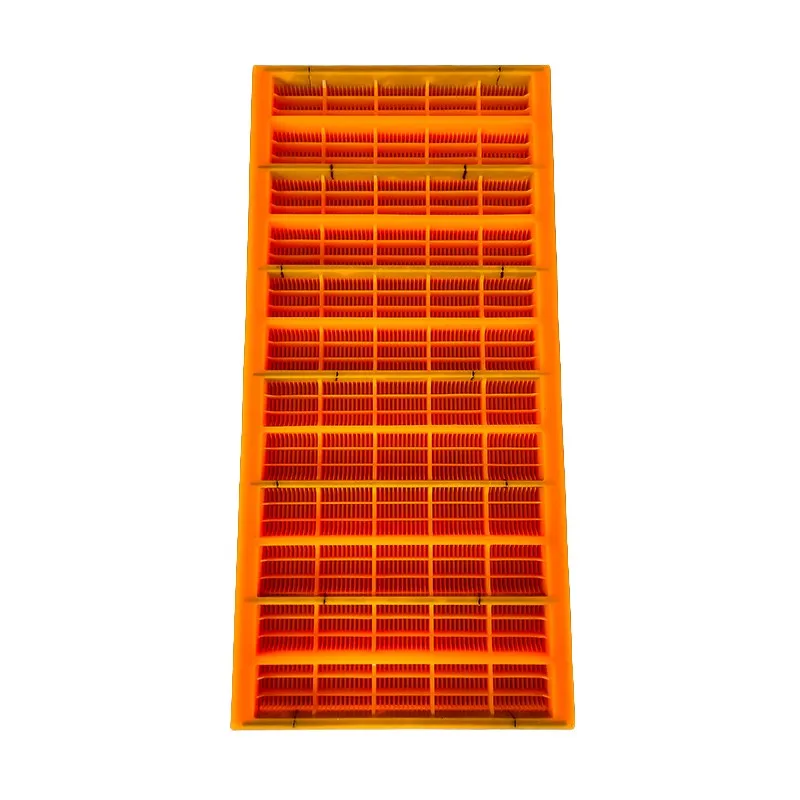
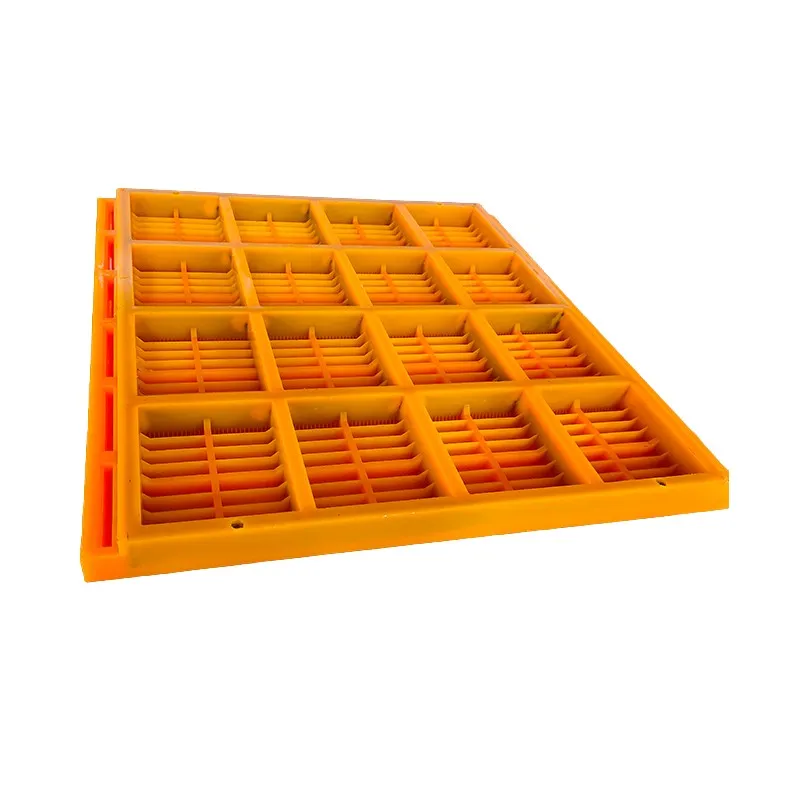
Flip Flop Screen Mats are a revolutionary solution in the screening industry. They are designed to provide high - throughput screening with minimal blinding and pegging. These mats are made from high - quality materials that offer excellent durability and flexibility. The unique flip - flop motion of the mats helps to keep the screen openings clear, allowing for a more efficient separation of materials.
The construction of Flip Flop Screen Mats typically involves a series of interconnected panels that can move independently. This movement is what gives them their name and their ability to self - clean to a certain extent. The mats are often used in vibrating screens, where the vibration enhances the flip - flop action.
Screen Cleaners: What Are They?
Screen cleaners are substances or devices used to remove debris, fines, and other contaminants from screening surfaces. There are different types of screen cleaners, including chemical cleaners and mechanical cleaners.
Chemical screen cleaners are formulated to break down and dissolve stubborn deposits on the screen. They can be applied in liquid or spray form and are designed to be effective against a variety of materials, such as clay, oil, and other sticky substances.
Mechanical screen cleaners, on the other hand, use physical force to remove debris from the screen. This can include brushes, air jets, or ultrasonic devices. These cleaners are often used in combination with the natural movement of the screen to ensure thorough cleaning.
Compatibility Analysis
Chemical Compatibility
When it comes to chemical screen cleaners, the compatibility with Flip Flop Screen Mats depends on the materials used in the mats. Most Flip Flop Screen Mats are made from polyurethane or other synthetic polymers. Chemical cleaners that are harsh or contain strong solvents may damage these materials.
For example, cleaners with high concentrations of acids or alkalis can cause the polyurethane to degrade over time. This can lead to a loss of flexibility and durability, reducing the effectiveness of the screen mats. Therefore, it is essential to choose a chemical cleaner that is specifically formulated for use with polyurethane materials.
Some chemical screen cleaners are designed to be gentle on the screen surface while still being effective at removing contaminants. These cleaners typically contain mild surfactants and solvents that can break down debris without harming the mat material.
Mechanical Compatibility
Mechanical screen cleaners are generally more compatible with Flip Flop Screen Mats. The flip - flop motion of the mats can work in tandem with mechanical cleaners to enhance the cleaning process. For instance, brushes can be used to remove larger debris from the screen surface, while the flip - flop action helps to dislodge smaller particles.
Air jets can also be used to blow away fines and dust from the screen. The movement of the Flip Flop Screen Mats ensures that the air can reach all areas of the screen, providing a more thorough cleaning. Ultrasonic cleaners, which use high - frequency sound waves to create vibrations, can also be effective in combination with the natural movement of the mats.
Benefits of Using Screen Cleaners with Flip Flop Screen Mats
Improved Screening Efficiency
By using screen cleaners in conjunction with Flip Flop Screen Mats, the screening efficiency can be significantly improved. Clean screens allow for better material flow, reducing the risk of blinding and pegging. This means that more material can pass through the screen in a shorter period, increasing the overall throughput of the screening process.
Extended Screen Life
Regular cleaning of the screen mats can help to extend their lifespan. By removing contaminants that can cause wear and tear, the mats are less likely to develop cracks or other forms of damage. This can save money in the long run by reducing the frequency of screen mat replacements.
Consistent Screening Performance
A clean screen ensures consistent screening performance. The removal of debris and fines helps to maintain the accuracy of the screening process, resulting in more consistent product quality.
Related Products
If you're interested in other screening solutions, we also offer a range of Rail Mounted PU Screen, Dewatering Screen Panels, and Polyurethane Tension Screen. These products are designed to work in various screening applications and can complement the use of Flip Flop Screen Mats.
Contact for Purchase and Consultation
If you have any questions about Flip Flop Screen Mats, their compatibility with screen cleaners, or any of our other products, please don't hesitate to contact us. We are here to provide you with the best solutions for your screening needs. Whether you're looking to enhance your screening efficiency, extend the life of your screens, or improve the quality of your products, we can help. Reach out to us for more information and to start a discussion about your specific requirements.
References
- "Screening Technology Handbook" by John Doe
- "Polyurethane Materials in Industrial Applications" by Jane Smith
- Industry reports on screening equipment and maintenance.