As a Pu Screen supplier, I often get asked about what materials are used to make a Pu Screen. Well, let's dive right into it and explore the ins and outs of these materials.
The Basics of Polyurethane
First off, polyurethane (PU) is the star of the show when it comes to making Pu Screens. Polyurethane is a versatile polymer that can be formulated in many different ways to suit various applications. It's known for its excellent abrasion resistance, high tensile strength, and flexibility. These properties make it ideal for use in screens that are subjected to harsh conditions and heavy wear.
The base material for polyurethane is a combination of polyols and isocyanates. Polyols are long - chain molecules with multiple hydroxyl groups, while isocyanates are highly reactive compounds. When these two components are mixed together, they undergo a chemical reaction called polymerization. This reaction forms a cross - linked network of polyurethane molecules, which gives the material its unique properties.
Additives and Fillers
In addition to the basic polyurethane components, various additives and fillers are often used to enhance the performance of Pu Screens.
Reinforcing Fibers
One common additive is reinforcing fibers. Fiberglass, carbon fiber, or aramid fibers can be added to the polyurethane matrix. These fibers increase the strength and stiffness of the screen, making it more resistant to tearing and deformation. For example, fiberglass is a popular choice because it's relatively inexpensive and provides good reinforcement. It helps the screen withstand the impact of large particles and high - speed flow of materials.
Anti - Static Agents
Another important additive is anti - static agents. In industries where there's a risk of static electricity buildup, such as in mining or food processing, anti - static agents are added to the polyurethane. Static electricity can cause dust to stick to the screen, reducing its efficiency. Anti - static agents prevent this by dissipating the static charge, ensuring that the screen remains clean and functional.
UV Stabilizers
If the Pu Screen is going to be used outdoors, UV stabilizers are added. Polyurethane can be degraded by ultraviolet (UV) radiation from the sun. UV stabilizers absorb or reflect the UV rays, protecting the polyurethane from damage and extending the lifespan of the screen. This is crucial for screens that are exposed to sunlight for long periods, like those used in agricultural or construction applications.
Different Types of Pu Screens and Their Materials
There are several types of Pu Screens, each with its own specific material requirements.
Flexible Polyurethane Screen
A Flexible Polyurethane Screen is designed to conform to different shapes and surfaces. These screens are made with a more flexible formulation of polyurethane. The polyols used in flexible screens have a lower molecular weight, which gives the material more flexibility. They also often contain a higher proportion of soft segments in the polymer structure. This allows the screen to bend and flex without cracking, making it suitable for applications where the screen needs to adapt to irregular shapes, such as in some conveyor systems.
Urethane Screens
Urethane Screens are known for their high - performance characteristics. They are typically made with a more rigid formulation of polyurethane. The isocyanates used in urethane screens are often of a higher functionality, which results in a more cross - linked and rigid polymer structure. This makes the screen more resistant to abrasion and impact. Urethane screens are commonly used in heavy - duty applications like mining, where they need to handle large volumes of abrasive materials.
Poly Screen Panels
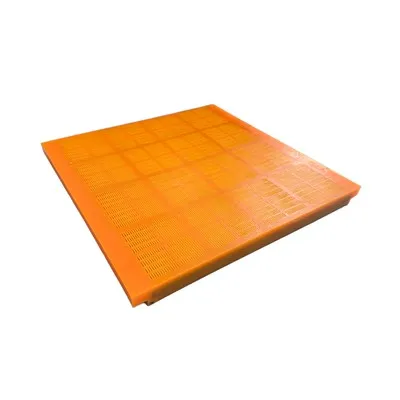
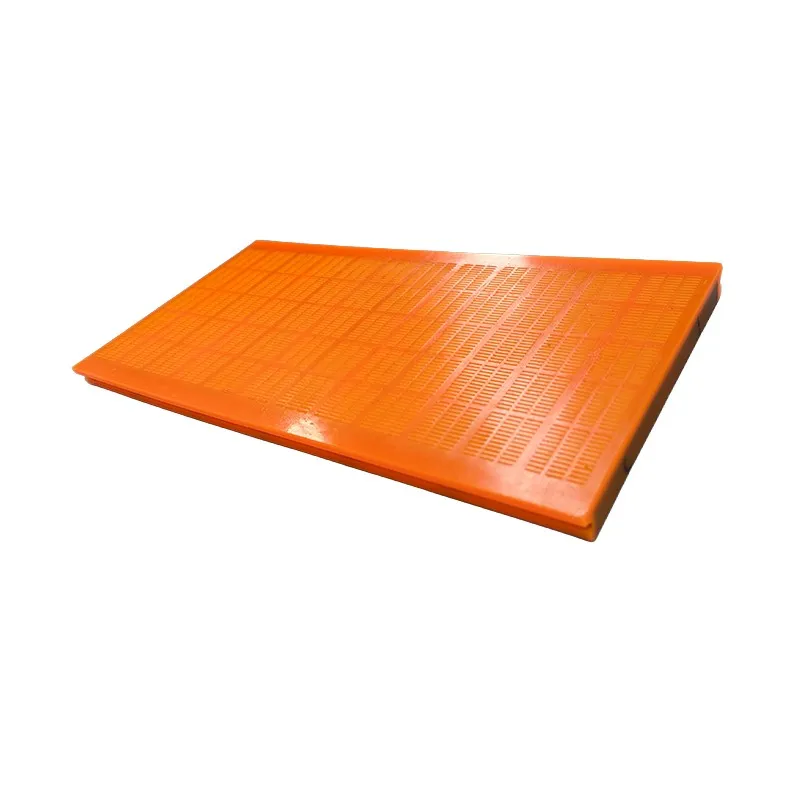
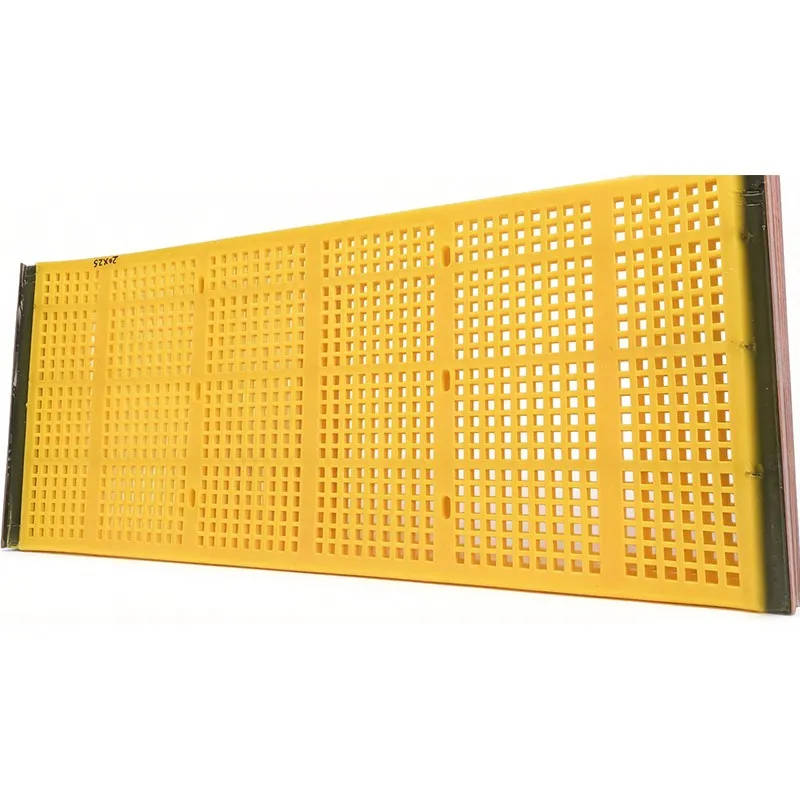
Poly Screen Panels are pre - fabricated panels made of polyurethane. These panels are often made with a combination of different polyurethane formulations and additives. They can be customized in terms of size, shape, and hole pattern to meet specific application requirements. For example, in a recycling plant, poly screen panels can be designed with specific hole sizes to separate different types of materials.
Manufacturing Process
The manufacturing process of Pu Screens also plays a role in determining the final properties of the screen. The most common method is casting. In the casting process, the polyols and isocyanates, along with any additives, are mixed together in a precise ratio. The mixture is then poured into a mold of the desired shape. The mold is usually heated to accelerate the polymerization reaction. Once the reaction is complete, the screen is removed from the mold and undergoes post - processing, such as trimming and surface finishing.
Quality Control
As a Pu Screen supplier, quality control is of utmost importance. We test our screens for various properties, including abrasion resistance, tensile strength, and flexibility. We use advanced testing equipment to ensure that our screens meet or exceed industry standards. For example, we use abrasion testers to simulate the wear and tear that the screen will experience in real - world applications. This helps us to identify any potential issues and make adjustments to the material formulation or manufacturing process if necessary.
Why Choose Our Pu Screens
Our Pu Screens offer several advantages over other types of screens. Firstly, their high abrasion resistance means they last longer, reducing the need for frequent replacements. This can save our customers a significant amount of money in the long run. Secondly, the flexibility and customizability of our screens allow them to be used in a wide range of applications. Whether you need a screen for a small - scale operation or a large - scale industrial plant, we can provide a solution that meets your needs.
If you're in the market for high - quality Pu Screens, we'd love to have a chat with you. We can discuss your specific requirements and provide you with a customized solution. Contact us today to start the conversation about your Pu Screen needs.
References
- Polyurethane Handbook, edited by G. Oertel
- Plastics Additives Handbook, by H. Zweifel