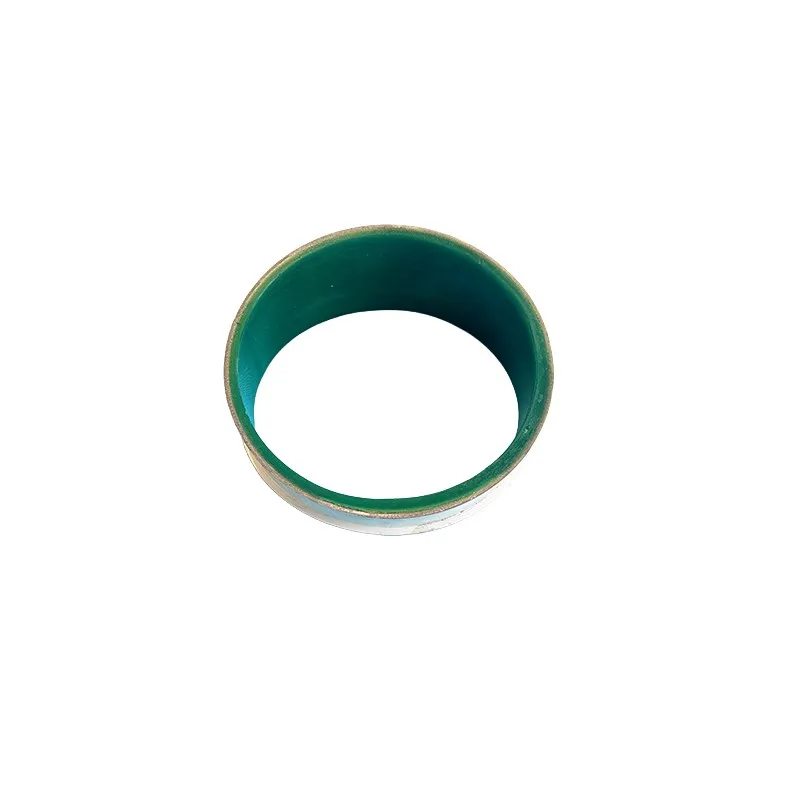
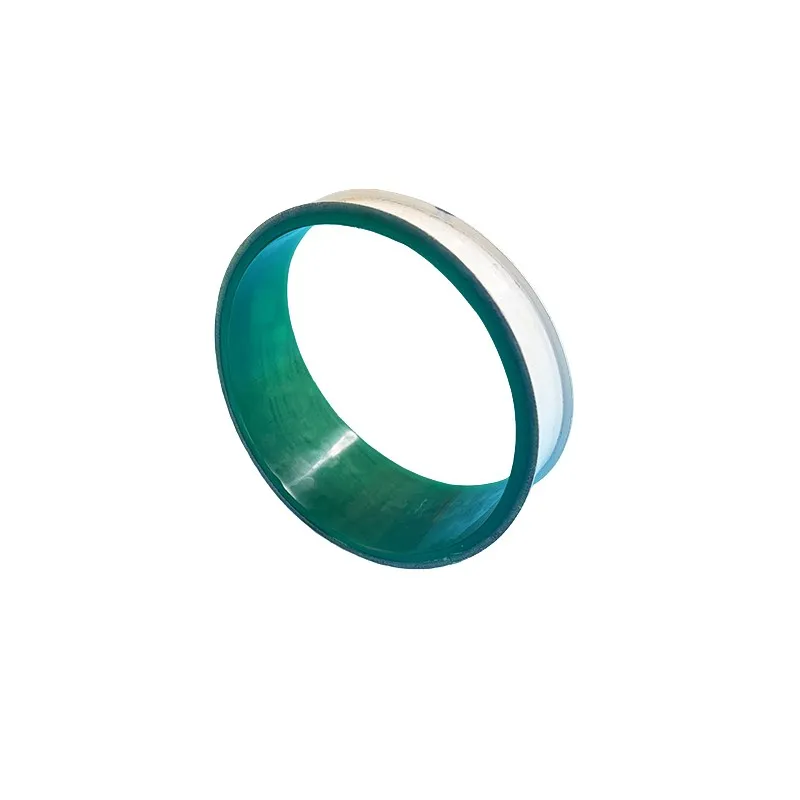
In the dynamic world of industrial applications, the issue of leaks is a persistent challenge that can lead to significant losses, both in terms of resources and operational efficiency. As a dedicated Hose Seal Ring supplier, I've witnessed firsthand the crucial role these small yet mighty components play in preventing leaks. In this blog, we'll explore the effectiveness of hose seal rings in leak prevention, delving into their mechanisms, applications, and benefits.
How Hose Seal Rings Work
Hose seal rings are designed to create a tight and secure seal between two mating surfaces, typically a hose and a fitting. They are usually made from materials such as rubber, silicone, or other elastomers, which possess excellent elasticity and sealing properties. When installed correctly, the seal ring is compressed between the hose and the fitting, filling any gaps or irregularities in the mating surfaces. This compression creates a barrier that prevents the escape of fluids or gases, effectively sealing the connection.
The sealing process relies on the principle of deformation. When the seal ring is compressed, it deforms to conform to the shape of the mating surfaces, creating a tight fit. The amount of deformation is carefully controlled to ensure that the seal ring provides an effective seal without causing damage to the hose or fitting. This requires a balance between the compression force and the material properties of the seal ring.
Applications of Hose Seal Rings
Hose seal rings are used in a wide range of industries and applications, including automotive, aerospace, manufacturing, and plumbing. In the automotive industry, they are used in fuel lines, coolant systems, and hydraulic systems to prevent leaks and ensure the proper functioning of the vehicle. In the aerospace industry, hose seal rings are critical for maintaining the integrity of fuel and hydraulic systems, where even a small leak can have serious consequences.
In manufacturing, hose seal rings are used in various processes, such as chemical processing, food and beverage production, and pharmaceutical manufacturing. They are essential for preventing leaks of hazardous chemicals, ensuring product quality, and maintaining a safe working environment. In plumbing, hose seal rings are used to connect pipes and fittings, preventing water leaks and ensuring the efficient flow of water.
Benefits of Using Hose Seal Rings
The use of hose seal rings offers several benefits, including:
- Leak Prevention: The primary benefit of hose seal rings is their ability to prevent leaks. By creating a tight seal between the hose and the fitting, they ensure that fluids and gases are contained within the system, reducing the risk of spills and environmental contamination.
- Improved Efficiency: Leaks can cause a loss of pressure and flow in a system, leading to reduced efficiency and increased energy consumption. By preventing leaks, hose seal rings help to maintain the optimal performance of the system, improving efficiency and reducing operating costs.
- Enhanced Safety: Leaks of hazardous chemicals or gases can pose a significant safety risk to workers and the environment. Hose seal rings help to prevent these leaks, reducing the risk of accidents and ensuring a safe working environment.
- Longevity: Hose seal rings are designed to withstand the harsh conditions of industrial applications, including high temperatures, pressures, and chemical exposure. They are made from durable materials that can resist wear and tear, ensuring a long service life.
Factors Affecting the Performance of Hose Seal Rings
While hose seal rings are effective in preventing leaks, their performance can be affected by several factors, including:
- Material Selection: The choice of material for the seal ring is crucial for its performance. Different materials have different properties, such as elasticity, chemical resistance, and temperature tolerance. It's important to select a material that is suitable for the specific application and operating conditions.
- Installation: Proper installation is essential for the effective performance of hose seal rings. The seal ring must be installed correctly, with the correct amount of compression, to ensure a tight seal. Incorrect installation can lead to leaks and premature failure of the seal ring.
- Operating Conditions: The operating conditions, such as temperature, pressure, and chemical exposure, can affect the performance of the seal ring. It's important to select a seal ring that is designed to withstand the specific operating conditions of the application.
- Maintenance: Regular maintenance is important for the long-term performance of hose seal rings. This includes inspecting the seal ring for signs of wear and tear, replacing it if necessary, and ensuring that the mating surfaces are clean and free of debris.
Other Related Products
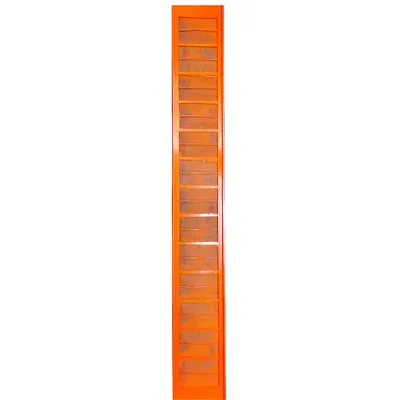
In addition to hose seal rings, we also offer a range of other wear-resistant parts, such as Screen Deck Clamp Strip, Pipe Elbow Lining, and Polyurethane Screen Rail Supports. These products are designed to provide reliable performance in a variety of industrial applications, helping to reduce downtime and maintenance costs.
Conclusion
In conclusion, hose seal rings are an essential component in preventing leaks in industrial applications. They offer a reliable and cost-effective solution for ensuring the integrity of fluid and gas systems. By understanding how they work, their applications, and the factors that affect their performance, you can make informed decisions when selecting and using hose seal rings.
If you're interested in learning more about our hose seal rings or other wear-resistant parts, please don't hesitate to contact us. We're here to help you find the right solution for your specific needs and ensure the smooth operation of your industrial processes.
References
- ASME B31.3 - Process Piping
- ISO 6149 - Hydraulic fluid power - Connectors with ISO 261 threads and O-ring seals
- ASTM D2000 - Standard Classification System for Rubber Products in Automotive Applications