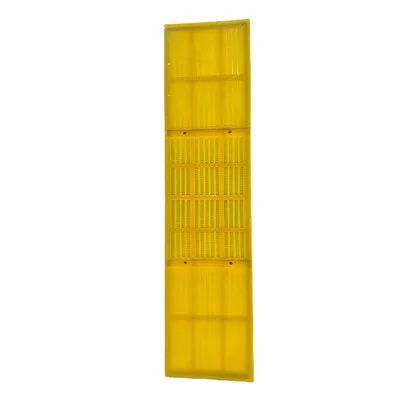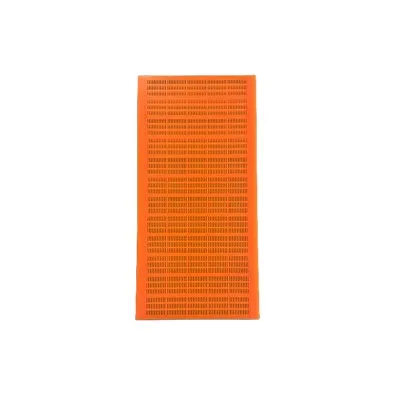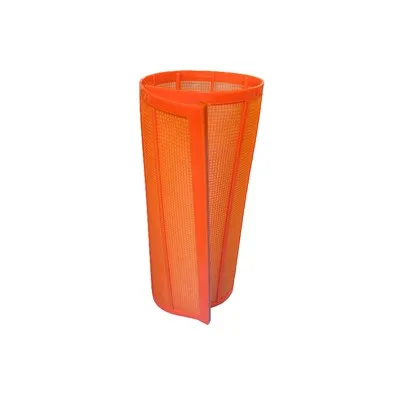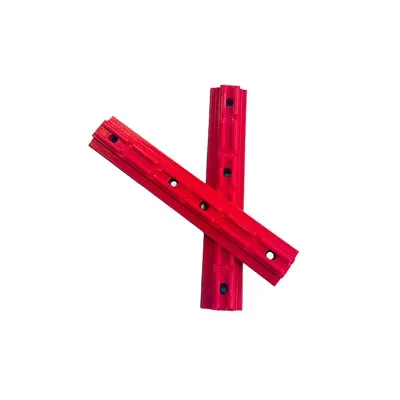
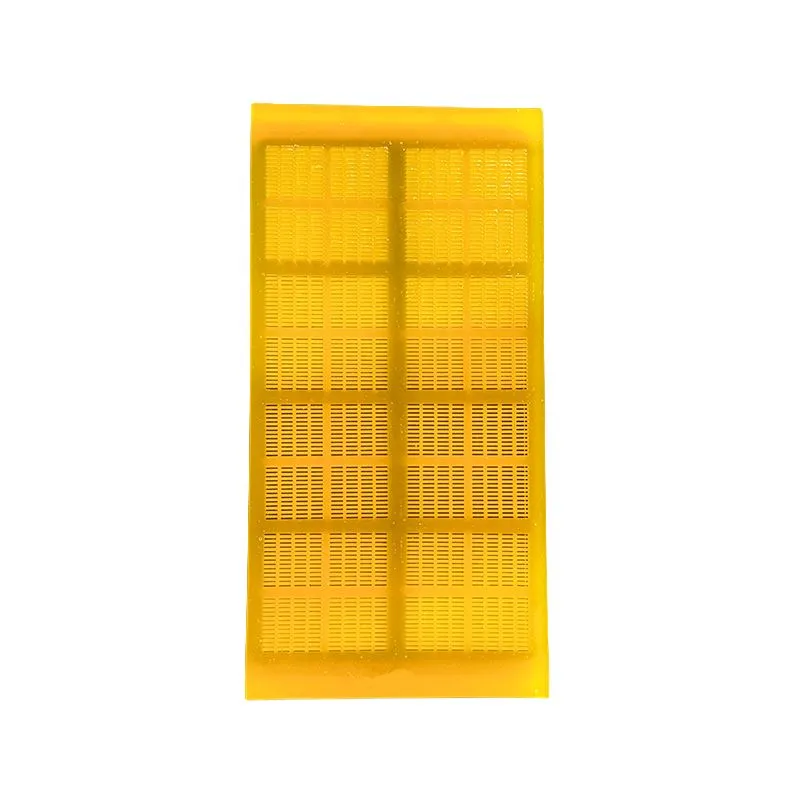
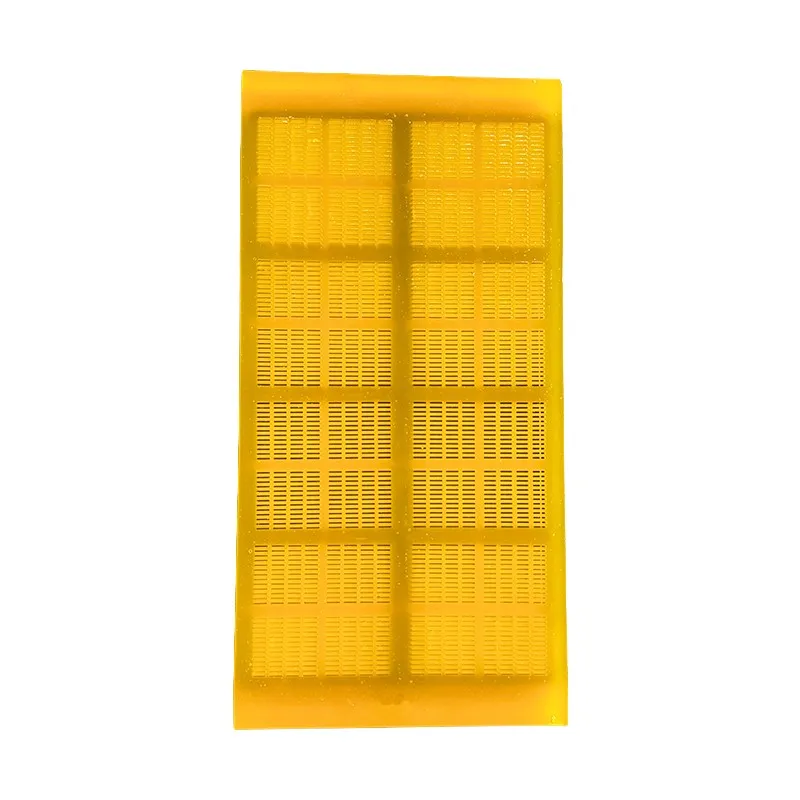
In the realm of industrial screening, sieve plates play a crucial role in separating materials based on size. Different types of sieve plates are available in the market, each with its own set of characteristics and applications. As a supplier of Polyurethane Sieve Plates, I am often asked about the differences between Polyurethane Sieve Plates and other sieve plates. In this blog, I will delve into the key distinctions to help you understand why Polyurethane Sieve Plates might be the ideal choice for your screening needs.
Material Composition
The most fundamental difference lies in the material used to make the sieve plates. Polyurethane Sieve Plates are made from polyurethane, a synthetic polymer known for its exceptional physical properties. On the other hand, other sieve plates can be made from a variety of materials such as stainless steel, carbon steel, and nylon.
Stainless steel sieve plates are popular for their high strength and corrosion resistance. They are commonly used in applications where durability and hygiene are important, such as in the food and pharmaceutical industries. Carbon steel sieve plates, while also strong, are more prone to corrosion and are typically used in less demanding environments. Nylon sieve plates are lightweight and flexible, making them suitable for applications where a fine mesh is required.
Polyurethane, however, offers a unique combination of properties. It is highly elastic, which allows it to absorb impact and vibration without cracking or breaking. This elasticity also enables the sieve plate to maintain its shape and integrity over time, even under heavy loads. Additionally, polyurethane has excellent abrasion resistance, which makes it ideal for screening abrasive materials such as ores and aggregates.
Performance and Efficiency
When it comes to performance, Polyurethane Sieve Plates have several advantages over other sieve plates. One of the key benefits is their high screening efficiency. The elasticity of polyurethane allows the sieve plate to flex and vibrate, which helps to prevent clogging and improve the flow of materials through the screen. This results in a higher throughput and a more accurate separation of particles.
In contrast, stainless steel and carbon steel sieve plates are more rigid and less likely to flex. This can lead to clogging and reduced screening efficiency, especially when dealing with sticky or moist materials. Nylon sieve plates, while flexible, may not have the same level of durability as polyurethane sieve plates, which can result in a shorter lifespan and more frequent replacements.
Another advantage of Polyurethane Sieve Plates is their low noise level. The elasticity of polyurethane helps to absorb the impact of the materials being screened, which reduces the noise generated during the screening process. This is particularly beneficial in industrial settings where noise pollution can be a concern.
Cost and Lifespan
Cost is an important factor to consider when choosing a sieve plate. While the initial cost of Polyurethane Sieve Plates may be higher than that of other sieve plates, their longer lifespan and lower maintenance requirements can result in significant cost savings over time.
Polyurethane Sieve Plates are highly resistant to abrasion, corrosion, and impact, which means they can withstand the harsh conditions of industrial screening operations for a longer period of time. This reduces the need for frequent replacements and maintenance, which can save both time and money.
In comparison, stainless steel and carbon steel sieve plates may need to be replaced more frequently due to corrosion and wear. Nylon sieve plates, while relatively inexpensive, may not be as durable as polyurethane sieve plates and may need to be replaced more often.
Applications
Polyurethane Sieve Plates are suitable for a wide range of applications, including mining, quarrying, sand and gravel, and recycling. They are particularly well-suited for screening abrasive materials such as ores, aggregates, and coal.
In the mining industry, Polyurethane Sieve Plates are used to separate different sizes of ore particles. They can be used in primary, secondary, and tertiary screening applications, and are often used in conjunction with other screening equipment such as vibrating screens and trommels.
In the quarrying and sand and gravel industries, Polyurethane Sieve Plates are used to screen and classify aggregates. They can be used to remove oversized particles and ensure that the final product meets the required specifications.
In the recycling industry, Polyurethane Sieve Plates are used to separate different types of materials such as plastics, metals, and glass. They can be used to improve the efficiency of the recycling process and reduce the amount of waste that ends up in landfills.
If you are interested in learning more about Polyurethane Sieve Plates or would like to discuss your specific screening needs, please feel free to contact us. We are a leading supplier of Polyurethane Sieve Plates and can provide you with high-quality products and professional advice.
References
- "Polyurethane Tension Screens" [/pu-screen-mesh/polyurethane-tension-screens.html]
- "Polyurethane Aggregate Screens" [/pu-screen-mesh/polyurethane-aggregate-screens.html]
- "Polyurethane Ore Screens" [/pu-screen-mesh/polyurethane-ore-screens.html]